
A UNESCO World Heritage Site – Hayle’s Place in World History
When people hear the words UNESCO World Heritage Site, they often think of famous places such as the Great Wall of China, the Pyramids of Egypt or Stonehenge. Few realise that Hayle is also part of a World Heritage Site, recognised for its outstanding contribution to the Industrial Revolution and its influence on the modern world.
In 2006, the Cornwall and West Devon Mining Landscape was inscribed as a UNESCO World Heritage Site. Rather than celebrating a single building or monument, the designation recognises an entire landscape that transformed mining, engineering and industry across the globe. Hayle forms one of the ten distinct areas that make up this internationally important site.
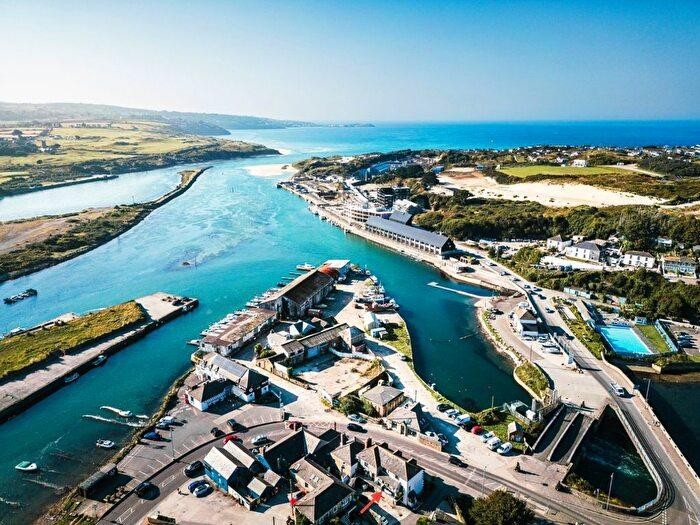
At first glance, this may seem surprising. Today, Hayle is known for its beautiful beaches, estuary, wildlife and relaxed seaside atmosphere. But beneath the modern town lies the legacy of one of Britain’s greatest industrial centres.
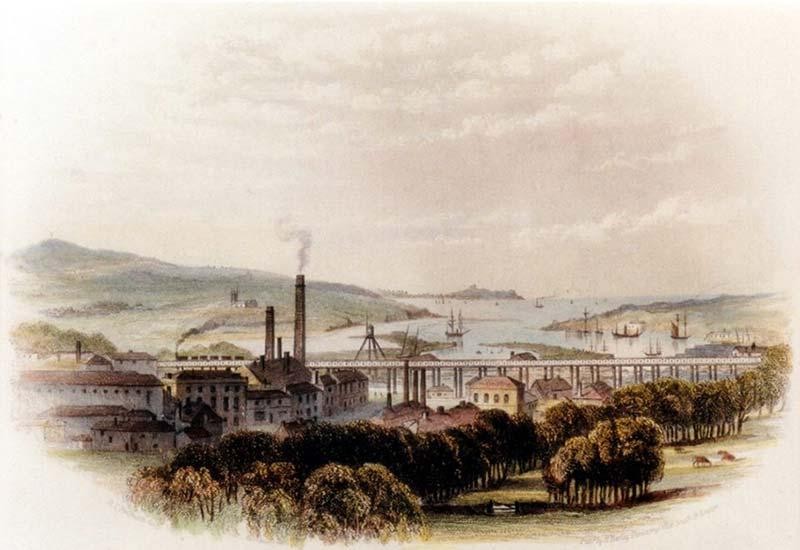
During the late eighteenth and nineteenth centuries, Hayle became the engineering heart of Cornwall’s mining industry. Harvey’s Foundry designed and built powerful steam engines that were exported to mines in Europe, Africa, Australia and the Americas. Meanwhile, the Cornish Copper Company at Copperhouse developed one of Britain’s largest copper smelting operations, helping to make Hayle one of the busiest ports in Cornwall.
The town’s influence extended far beyond mining. Hayle-built machinery drained lakes in the Netherlands, powered factories overseas and contributed to famous structures such as Bristol’s Clifton Suspension Bridge. Engineers trained in Hayle travelled across the world, taking Cornish skills and innovation wherever mining and industry flourished.
UNESCO recognised this extraordinary impact because Cornwall’s mining technology changed the way the world worked. The efficient Cornish beam engine, perfected by engineers including those at Harvey’s Foundry, allowed mines to be worked at unprecedented depths and was adopted internationally. In many countries, Cornish engineers became highly respected for their knowledge and expertise.
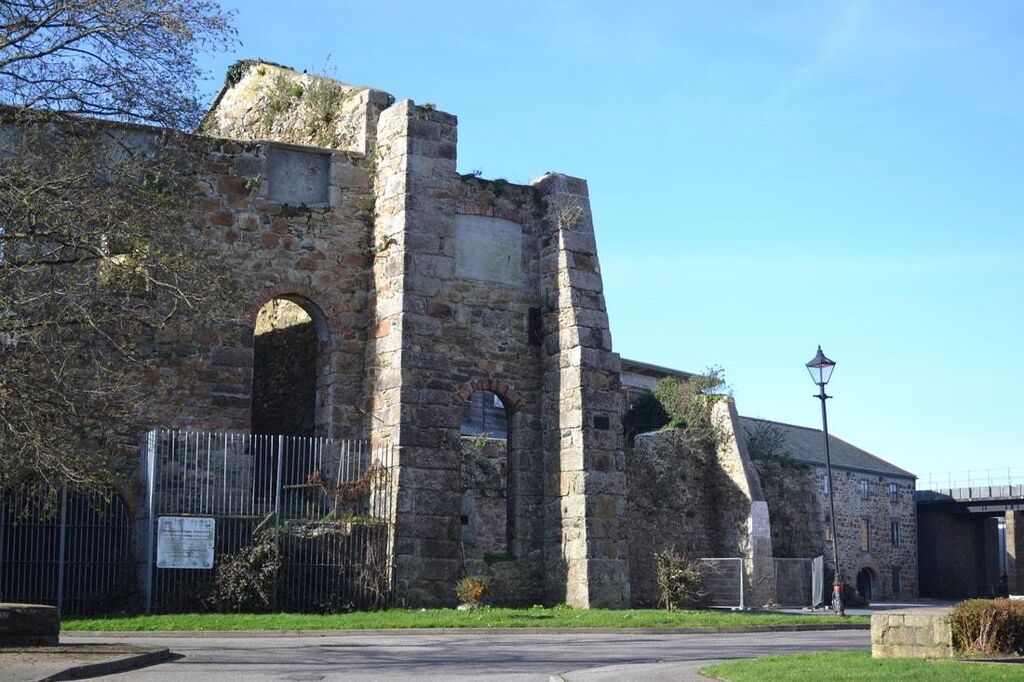
Today, many reminders of this remarkable past still survive. Foundry Square retains much of its Georgian character, historic warehouses line parts of the harbour, and former industrial buildings have found new uses while preserving their architectural heritage. Walking through Hayle is like following the footsteps of generations of engineers, shipbuilders, blacksmiths and craftsmen whose work reached every continent.
World Heritage status is more than an honour—it is a commitment to protect these places for future generations. It recognises that Hayle’s story is not simply part of Cornwall’s history but part of the history of the world.
As visitors stroll around the harbour or enjoy the cafés and shops of Foundry and Copperhouse, they may not realise they are standing in a landscape that helped shape the Industrial Revolution. Yet every preserved building and every surviving quayside tells part of that story.
Hayle may be a small Cornish town, but its heritage is recognised on the world stage. It is a place where innovation, craftsmanship and determination helped transform industries across the globe—and that is something of which every resident can be proud.
Did You Know?
- The Cornwall and West Devon Mining Landscape became a UNESCO World Heritage Site in 2006.
- Hayle is one of ten recognised areas within the World Heritage Site.
- The designation recognises Hayle’s global importance in engineering, mining technology and industrial innovation.
Today, visitors can still explore many of the historic buildings, quays and streets that helped earn Hayle its place on the world st