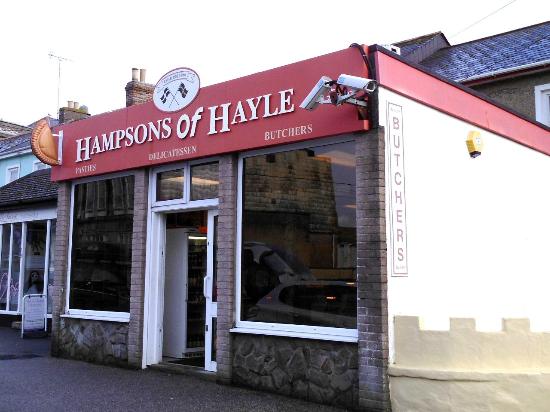
Historic Hayle
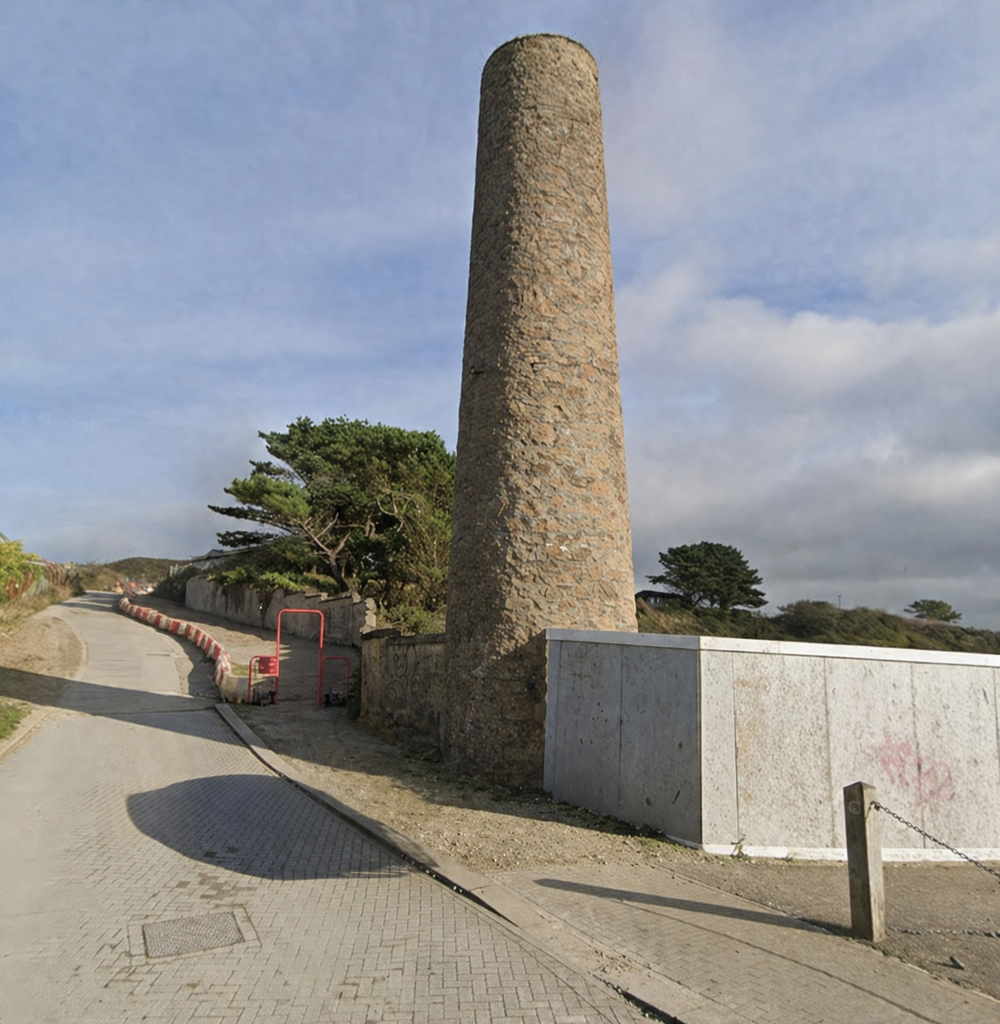
The North Quay Chimney Issue 188
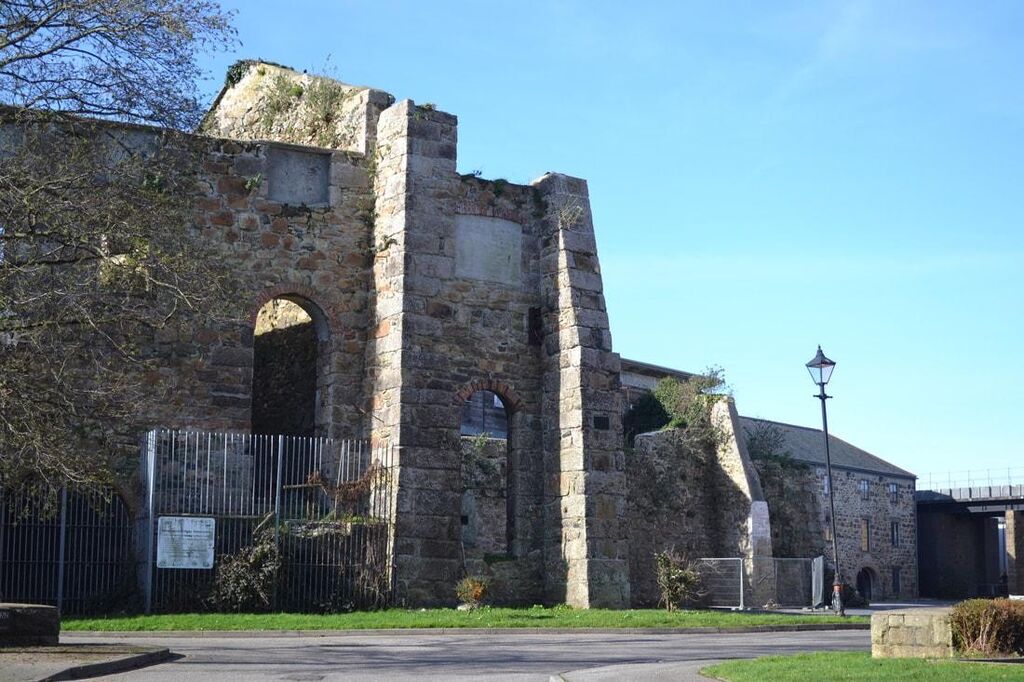
The North Quay chimney is one of the last visible reminders of a little-known chapter in Hayle’s industrial history – glass making.
The Glass Works
During and just after the First World War, a glass factory operated on North Quay. The first company was the Cornish Glass Works (1917–1919), followed by the Pentowan Glass Works (1920–1925). They used local materials, including sand from Hayle Towans and china-clay waste from the St Austell area.
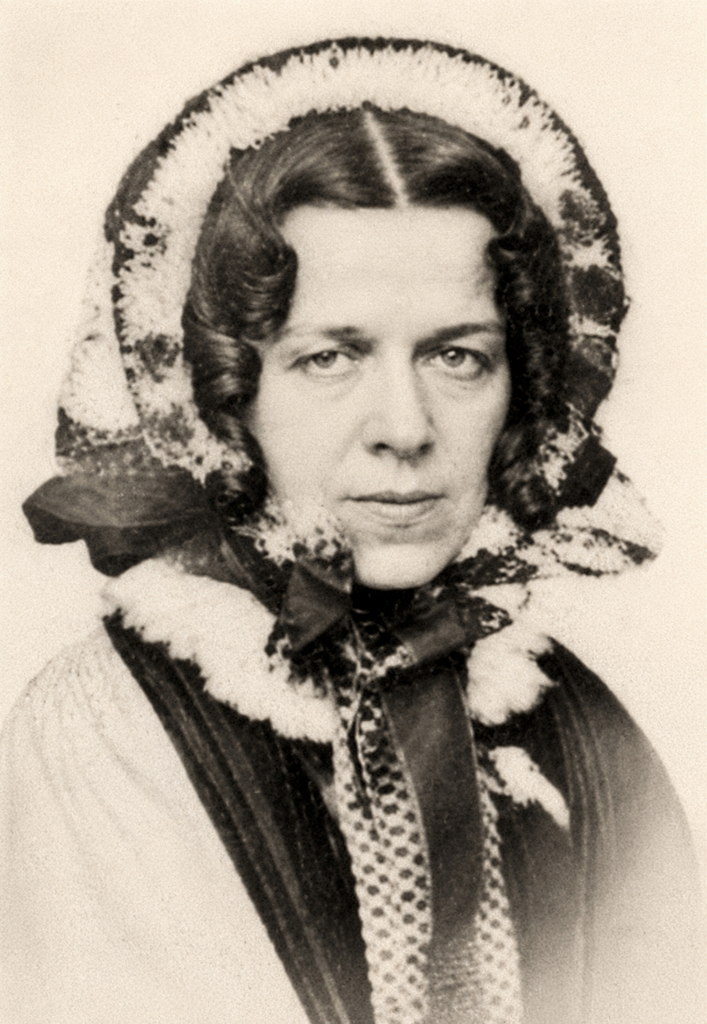
Elizabeth Carne was born in 1817 at Riviere House, Phillack, now a Grade II listed building. This Georgian house belonged to the Cornish Copper Company and commanded an impressive view over what was then the bustling industrial shipping port of Hayle. The cellars housed her father’s experimental laboratories and a small foundry, which were visited by eminent men of the time, including Humphry Davy. It was an exciting home for a curious child.

Famous Ships Built or Repaired in Hayle
Although Hayle is best remembered for its world-famous steam engines, relatively few people realise that it was once one of Cornwall’s most important shipbuilding towns. During the nineteenth century, the shipyards at Harvey’s Foundry and the Cornish Copper Company built everything from coastal schooners to ocean-going steamships, while the harbour became an important centre for ship repair.
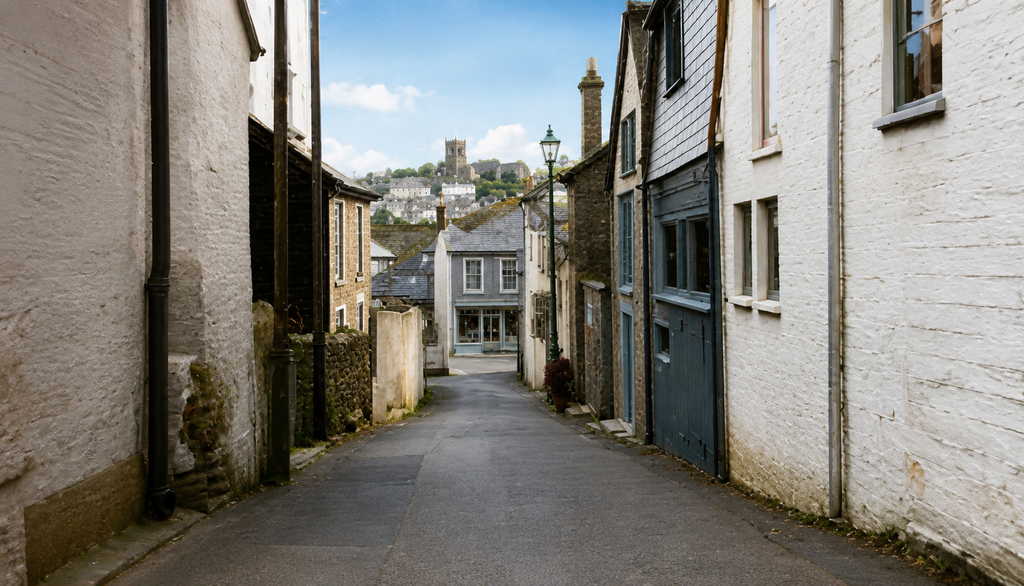
The Growth of Housing in Industrial Hayle – Issue 188
In the eighteenth century, Hayle was a hive of industrial activity on a large scale. The majority of workers lived in the farming areas of the St Erth Valley and Angarrack, as these places were already densely populated due to tin mining, together with tin stamping and corn mills.
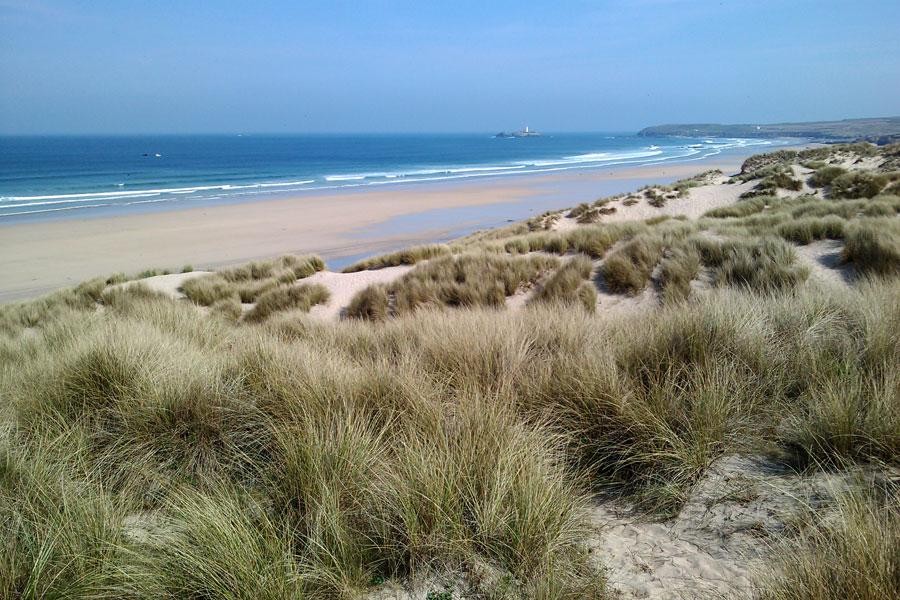
Stretching for three miles from the Hayle Estuary to Godrevy Head, The Towans are among Cornwall’s most spectacular landscapes. The word “Towan” comes from the Cornish language, meaning “sand dune”, and nowhere in Cornwall is the name more fitting. Today, these rolling dunes are loved by walkers, surfers and holidaymakers, but their story stretches back many centuries.
Rick Rescorla – From Hayle to the Hero of 9/11 – Issue 187
Richard “Rick” Rescorla was born Cyril Richard Rescorla on 27 May 1939 in Hayle, Cornwall. Raised by his grandparents on Penpol Terrace, he grew up during the Second World War when American soldiers were stationed in Hayle preparing for D-Day. Their courage and professionalism inspired the young boy who dreamed of becoming a soldier himself.
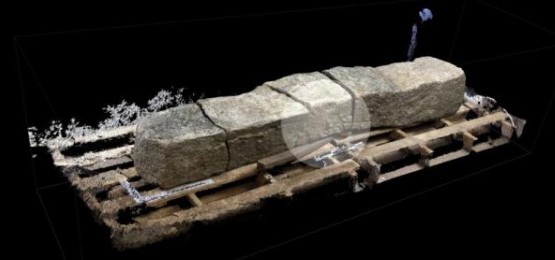
The Mystery of the Cunaide Stone
Hidden within Hayle’s rich history is one of Cornwall’s oldest and most intriguing treasures—the Cunaide Stone. Although modest in appearance, this weathered granite monument provides a remarkable glimpse into life more than 1,500 years ago.
Hayle’s Ancient Harbour – Issue 188
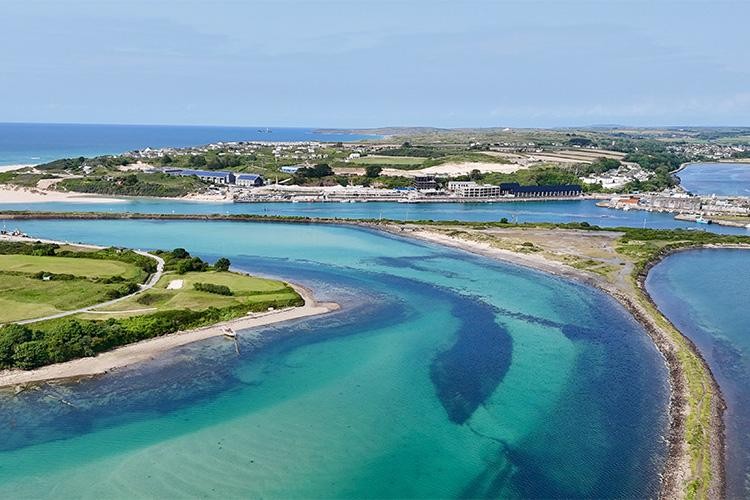
Long before Harvey’s Foundry, steam engines and the Industrial Revolution transformed Hayle, its greatest asset was already there—the magnificent natural harbour formed by the Hayle Estuary.
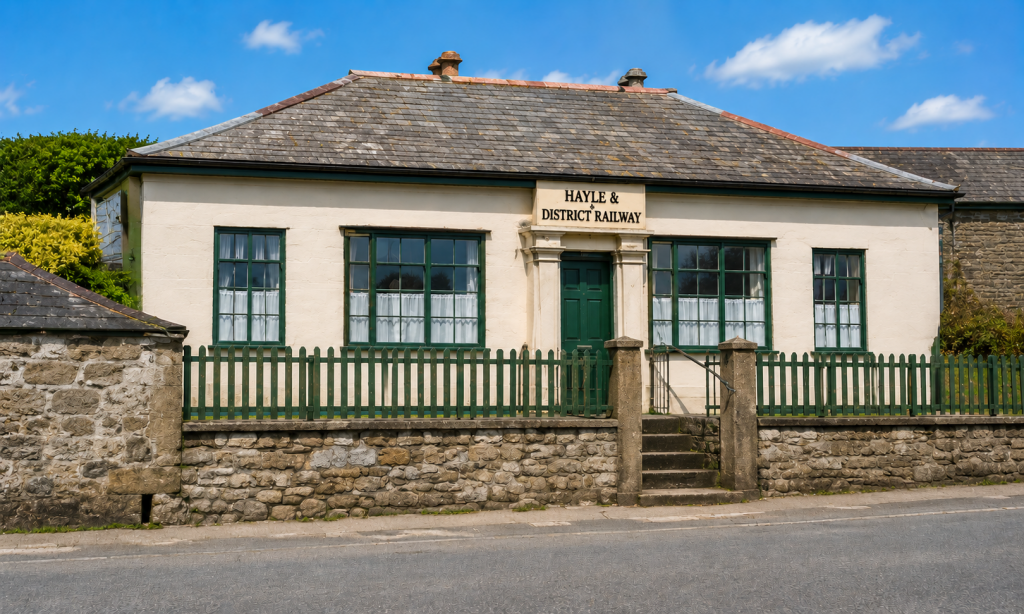
Hayle Railway
HAYLE was not only an important outpost of the Industrial Revolution which swept Britain during the early years of the 19th century, it was also at the forefront of railway development, the old Hayle–Redruth line forming the oldest Cornish section of what was to become the GWR.
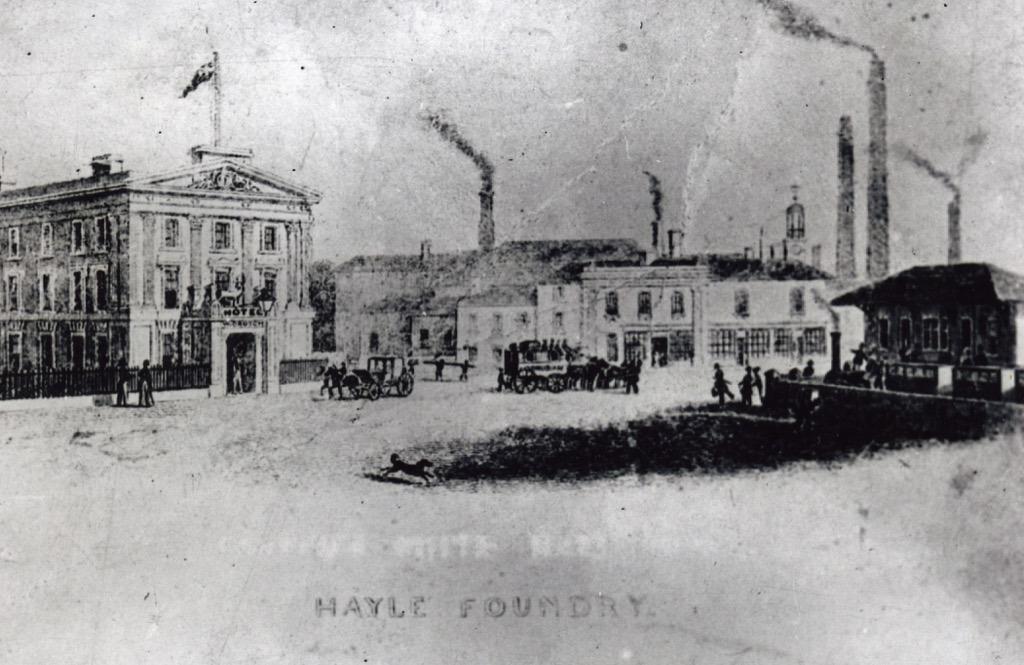
Hayle Foundry – From Blacksmiths to Global Giant.
For over a century, the name Harvey’s Foundry was known across the world. From humble beginnings as a village blacksmith’s workshop, it grew into one of Britain’s greatest engineering companies, exporting machinery to every continent and helping to power the Industrial Revolution.
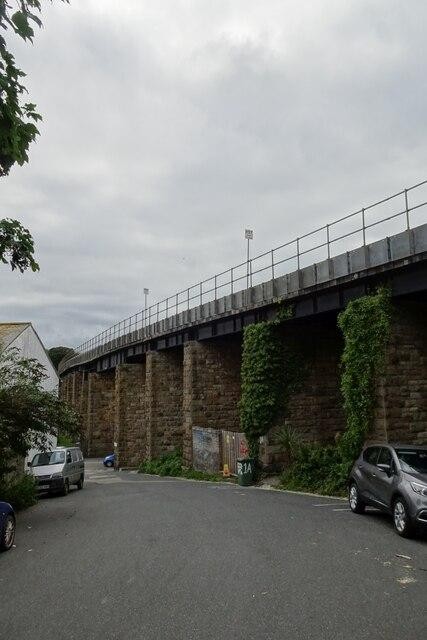
The Old Railway & Viaduct
Today, thousands of passengers cross the Hayle Viaduct every week without giving it a second thought. Yet this magnificent structure tells the story of one of Cornwall’s earliest railways and the engineering vision of Isambard Kingdom Brunel.
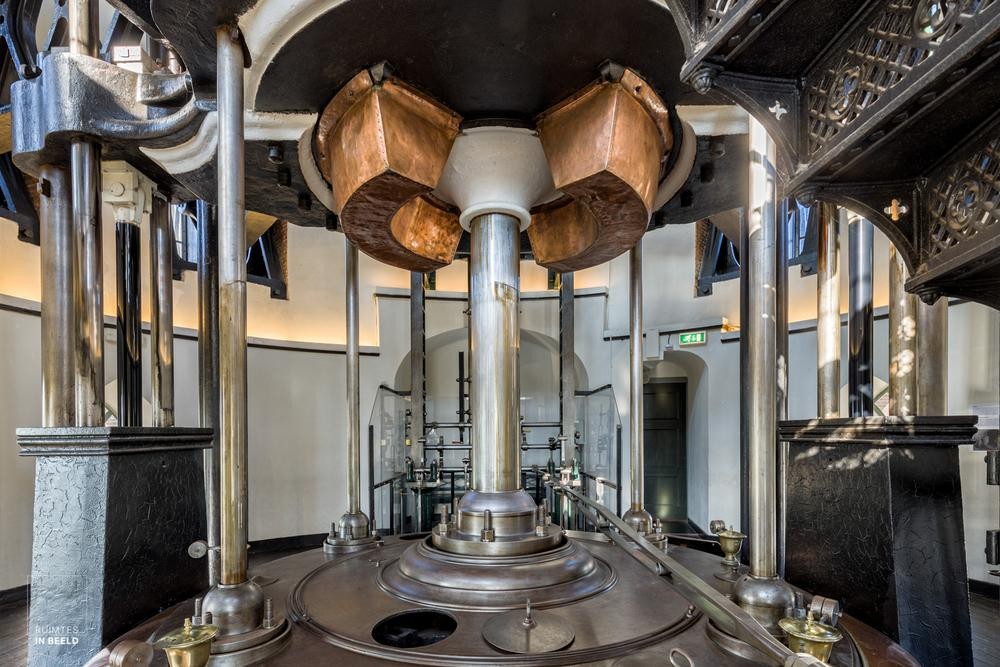
The Criquius Engine – A Hayle Giant in Holland
One of Hayle’s greatest achievements doesn’t stand in Cornwall at all—it stands nearly 500 miles away in the Netherlands.
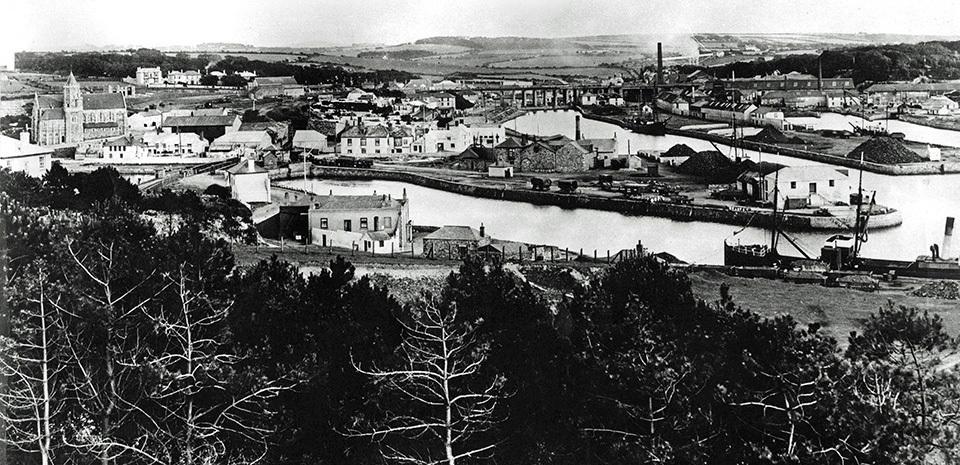
Historic Hayle – The Town That Powered the World
For many people today, Hayle is known for its stunning beaches, golden sands and beautiful estuary. But 200 years ago, it was one of the world’s most important engineering towns. In the 19th century, Hayle earned a reputation as “the town that powered the world.”
Hayle’s Famous Residents
The People Who Put This Small Cornish Town on the Map
Hayle’s history is not only written in its harbour, foundries and railway—it is also written through the remarkable people who were born here, lived here or called this special corner of Cornwall home. From sporting heroes and artists to a man remembered around the world for his courage, Hayle has produced a surprising number of notable figures.

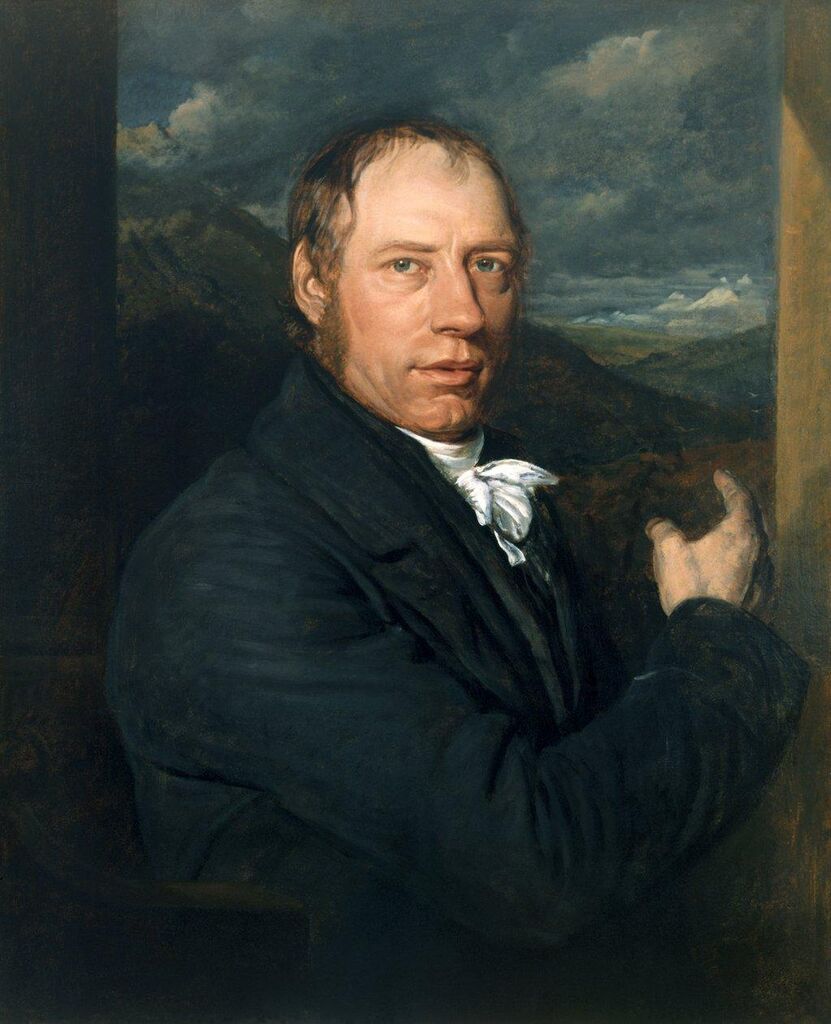
Hayle & Richard Trevithick
When people think of Richard Trevithick, they usually think of steam engines, mining and the world’s first steam railway locomotive. Few realise, however, that one of Cornwall’s greatest inventors had a strong family connection with Hayle, linking him forever with the town’s remarkable engineering heritage.
Hayle and the Cornish Diaspora
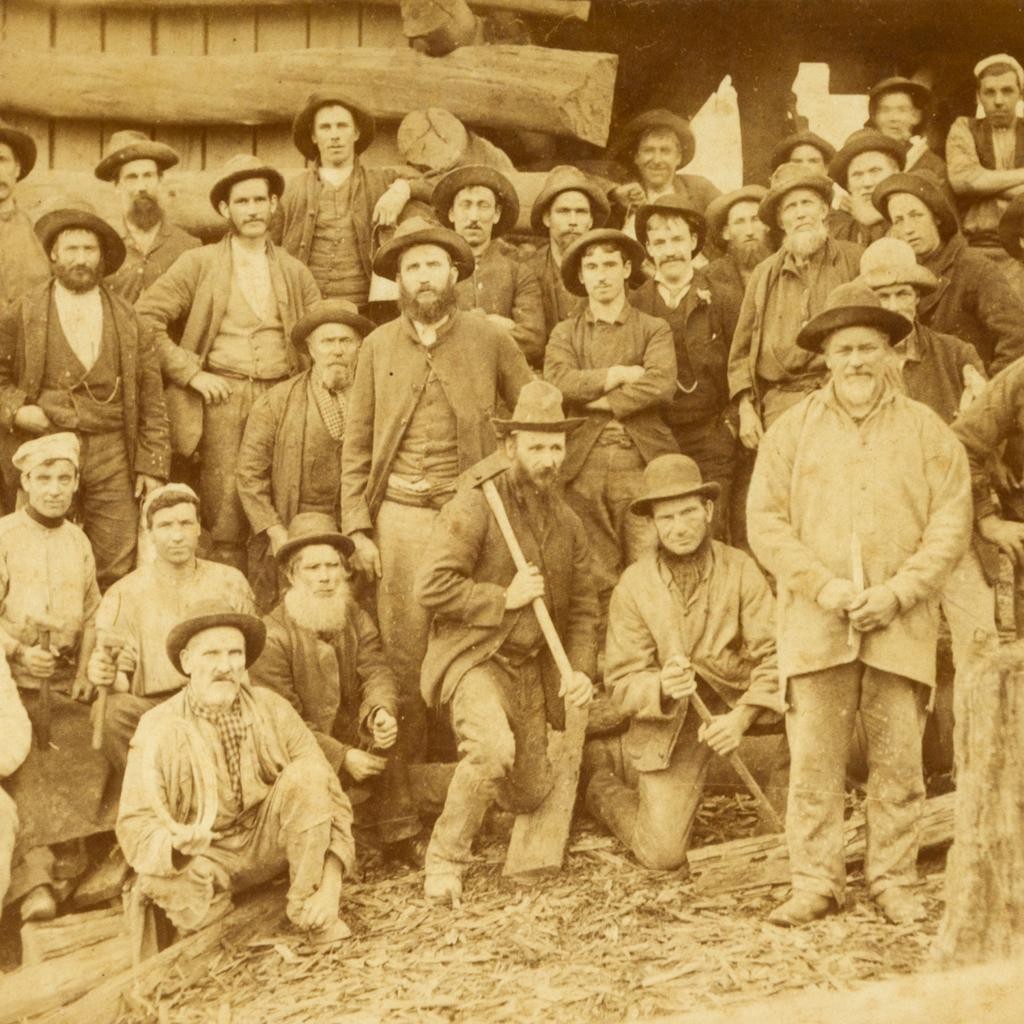
During the nineteenth century, Hayle was much more than a thriving Cornish town—it was the starting point for a remarkable global migration. As Cornwall’s mining industry declined, thousands of skilled men and their families left in search of new opportunities overseas. Many of them began their journey from Hayle, taking with them the engineering skills and mining knowledge that had made the town famous.
Stories from Hayle During Both World Wars
When Britain went to war in 1914 and again in 1939, Hayle’s industries, harbour and people played an important role in the national effort. The town that had once built engines for mines around the world now turned its skills towards supplying and supporting Britain’s armed forces
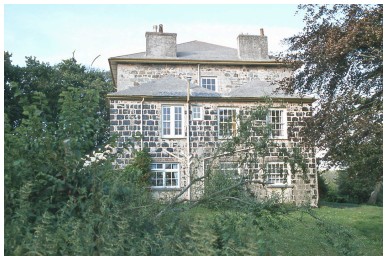
The History of Riviera House
Riviere House was built in 1791 for John Edwards, who was the manager of the Cornish Copper Company. The company had established extensive copper smelting works at Hayle, and the house was intended as a prestigious residence for one of its senior figures
Read the full story here.
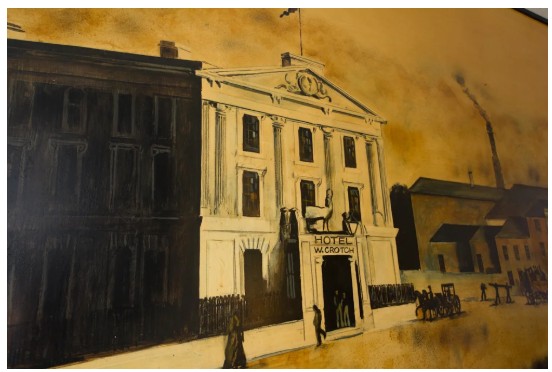
The White Hart & Trevithicks Family.
Standing proudly in Foundry Square, the White Hart is one of Hayle’s best-known historic buildings. While today it is admired for its elegant Georgian architecture, its walls tell a story that links one of Cornwall’s greatest engineering families with one of the world’s most celebrated inventors.
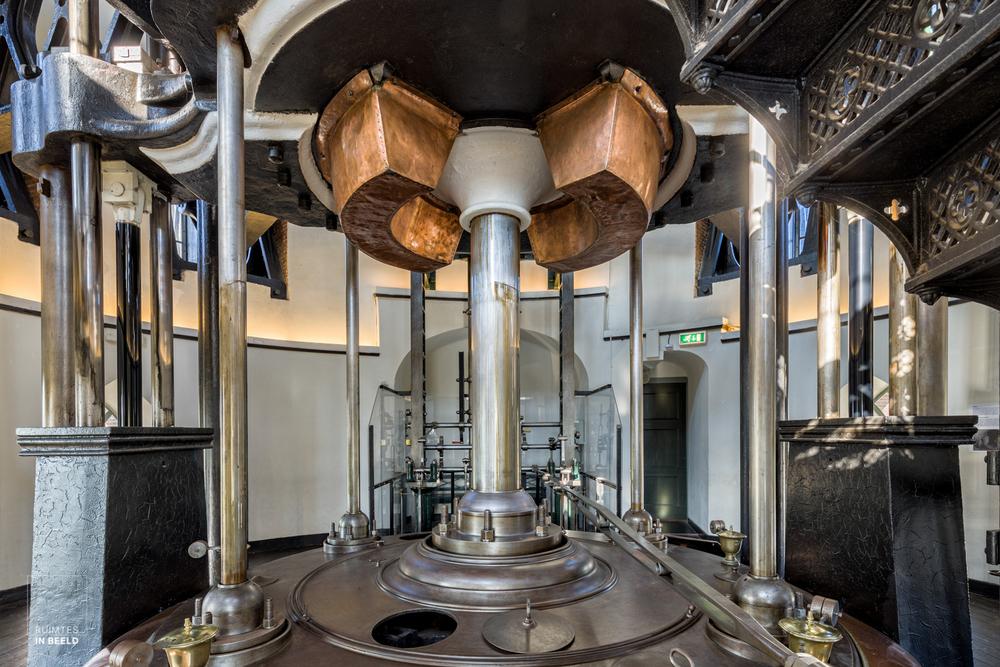
The Largest Beam Engine in the World
The magnificent Cruquius Beam Engine is widely recognised as the largest beam engine ever built, a remarkable achievement that demonstrates why Harvey’s Foundry became famous around the world. Cast and assembled at Harvey’s Foundry in the early 1840s, the engine was one of the company’s most ambitious engineering projects and remains one of Hayle’s proudest industrial legacies.
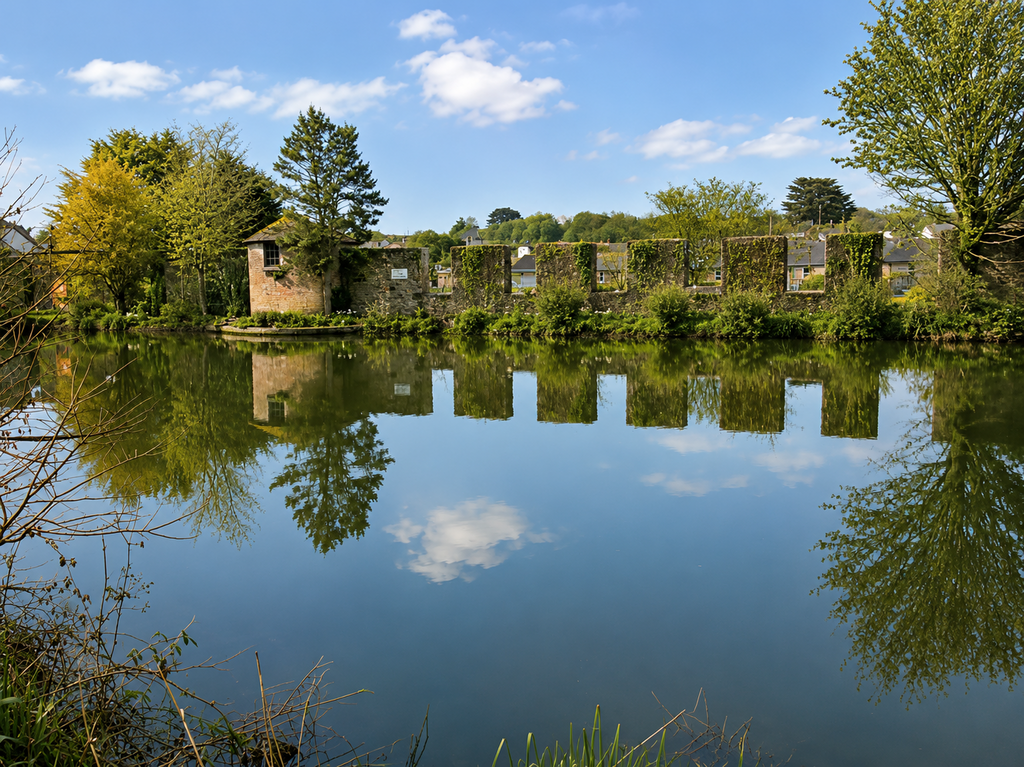
Millpond
The Millpond and Gardens in Hayle are closely tied to the town’s rise as one of Cornwall’s most important engineering and industrial centres during the late 18th and 19th centuries.
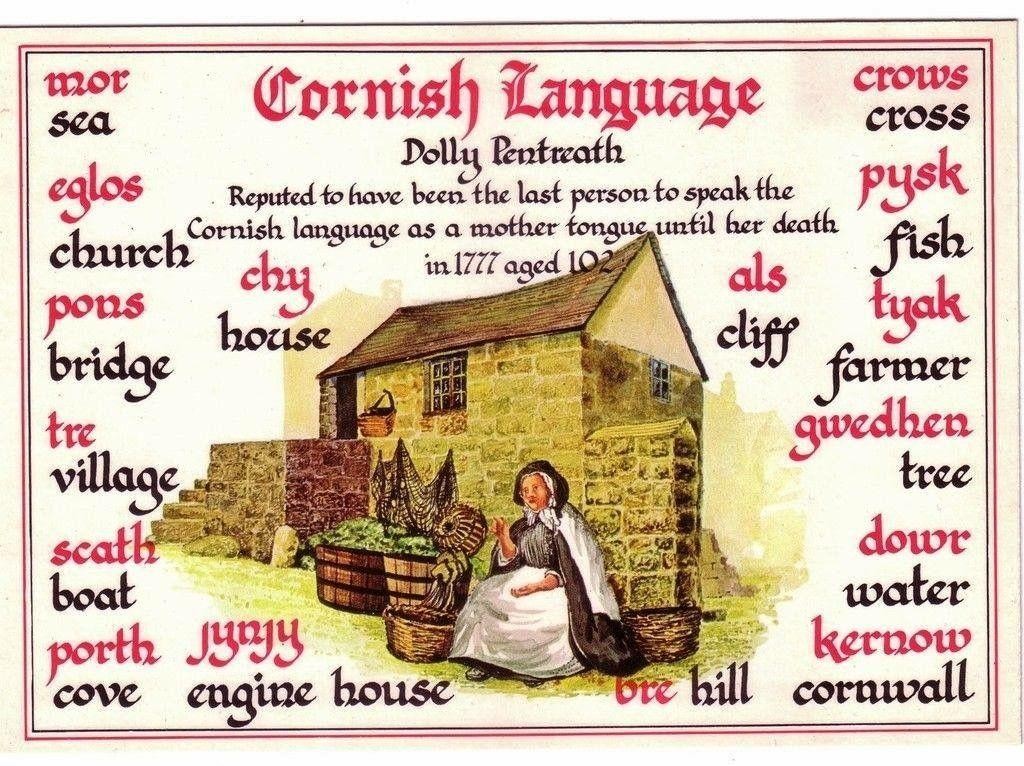
Cornish Dialect Words Unique to Hayle
Every town has its own way of speaking, and Hayle is no exception. The voices of Hayle have been shaped by centuries of Cornish language, mining, fishing, industry and the arrival of workers from across Cornwall and beyond.
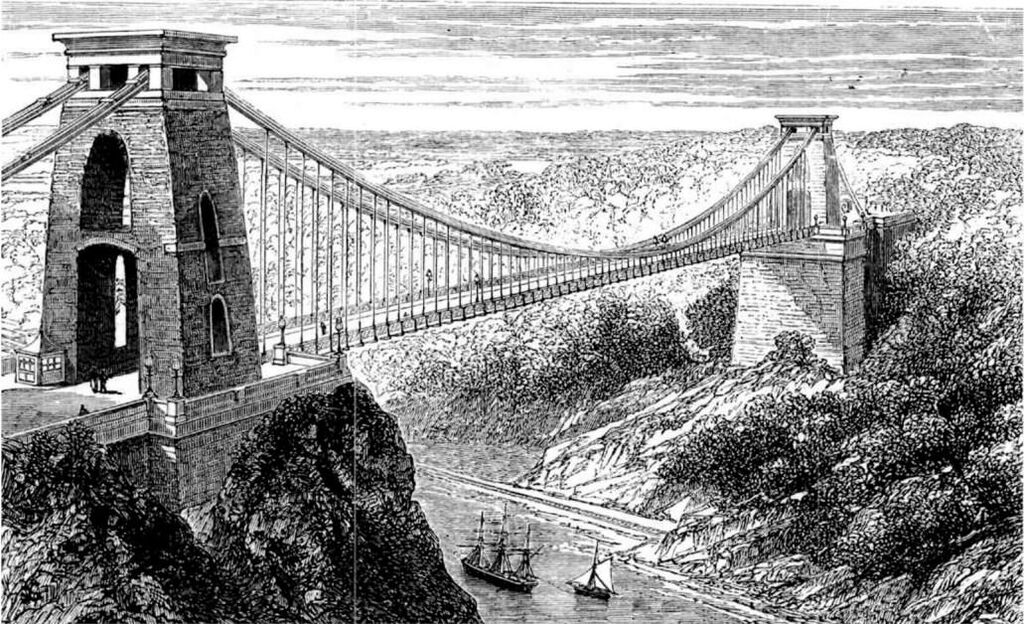
Hayle Built Part of the Clifton Suspension Bridge
Every year, millions of people visit Bristol’s magnificent Clifton Suspension Bridge, admiring one of Britain’s greatest engineering landmarks. Few of them realise that part of this iconic structure was made in Hayle
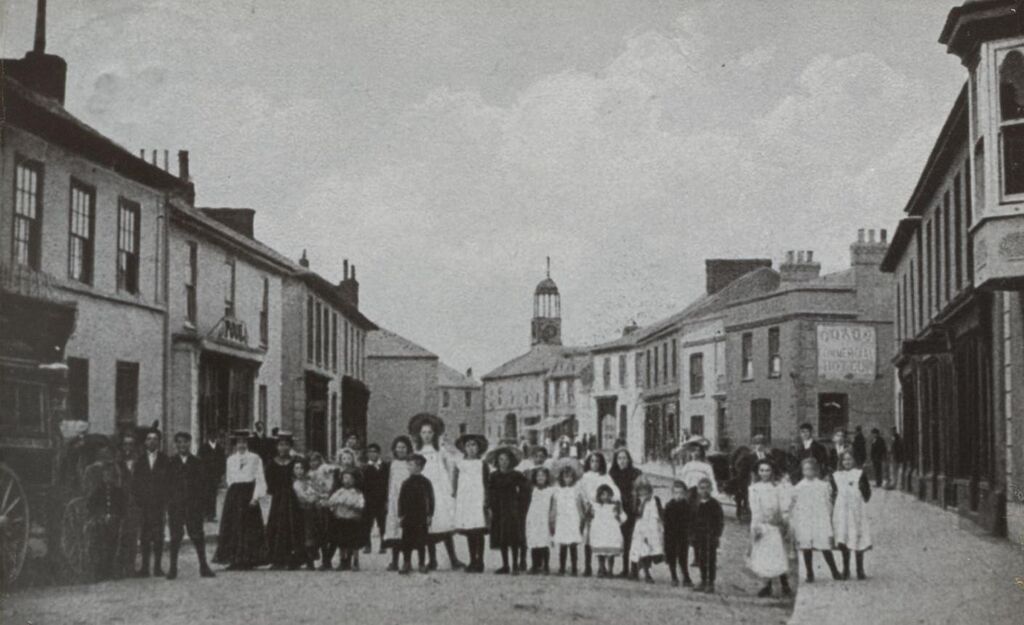
Copperhouse versus Foundry – The Rival Town
Today, Hayle is one town with a strong sense of community. But there was a time when it was effectively two towns, each with its own identity, industries, shops and loyalties. To many local people, you were either “from Copperhouse” or “from Foundry”—and the rivalry between the two was very real.in 1898, but many residents still proudly identify with either Copperhouse or Foundry today.
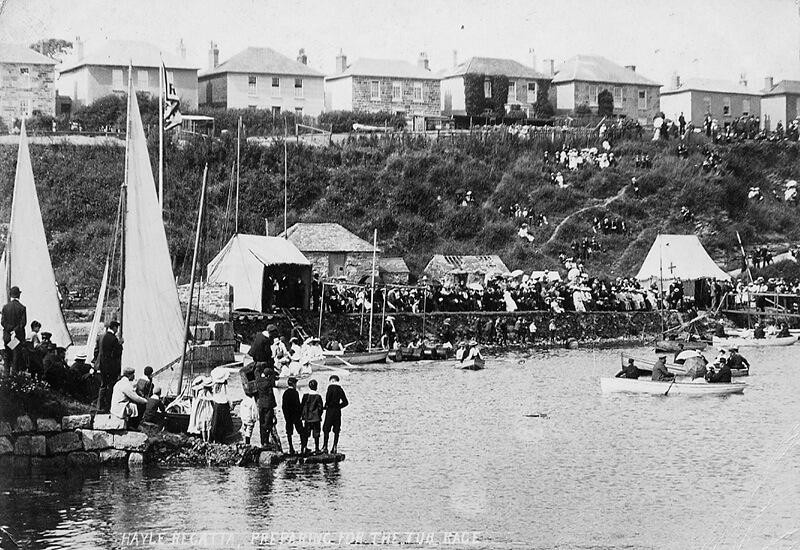
Hayle Regatta and Carnival
For well over a century, one of the highlights of the Hayle calendar was its spectacular Regatta and Carnival. Long before music festivals and modern community events, people from across Cornwall flocked to Hayle every summer for a day of sport, colour, music and celebration.
A UNESCO World Heritage Site – Hayle’s Place in World History
When people hear the words UNESCO World Heritage Site, they often think of famous places such as the Great Wall of China, the Pyramids of Egypt or Stonehenge. Few realise that Hayle is also part of a World Heritage Site, recognised for its outstanding contribution to the Industrial Revolution and its influence on the modern world.
Hayle & the Dynamite Works
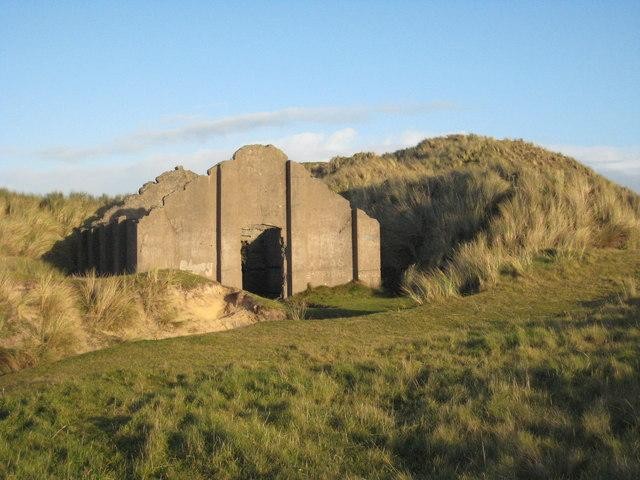
When people think of Hayle’s industrial past, they usually picture Harvey’s Foundry, steam engines and the bustling harbour. Few realise that, for more than 100 years, Hayle was also home to one of Britain’s most important explosives factories.
Hayle – A Small Town with a Big Story
To many visitors, Hayle is simply a beautiful Cornish seaside town. They come for its miles of golden beaches, the spectacular Towans, its thriving wildlife and the peaceful waters of the estuary. Yet beneath this tranquil setting lies a story that stretches far beyond Cornwall—a story of innovation, industry and people whose ideas helped change the world.
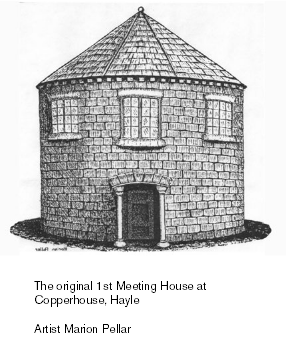
First Wesleyan Chapel at Copperhouse
was one of the most remarkable Methodist buildings ever constructed in Cornwall. Built in 1785, it was a small circular preaching house erected specifically for the visit of John Wesley. It stood near Copperhouse Dock, behind what later became the Commercial Hotel (now the Copperhouse Hotel).
Lost Shops and Businesses of Hayle
Walk through Hayle today and it is easy to forget just how busy the town once was.
Read the full Story here
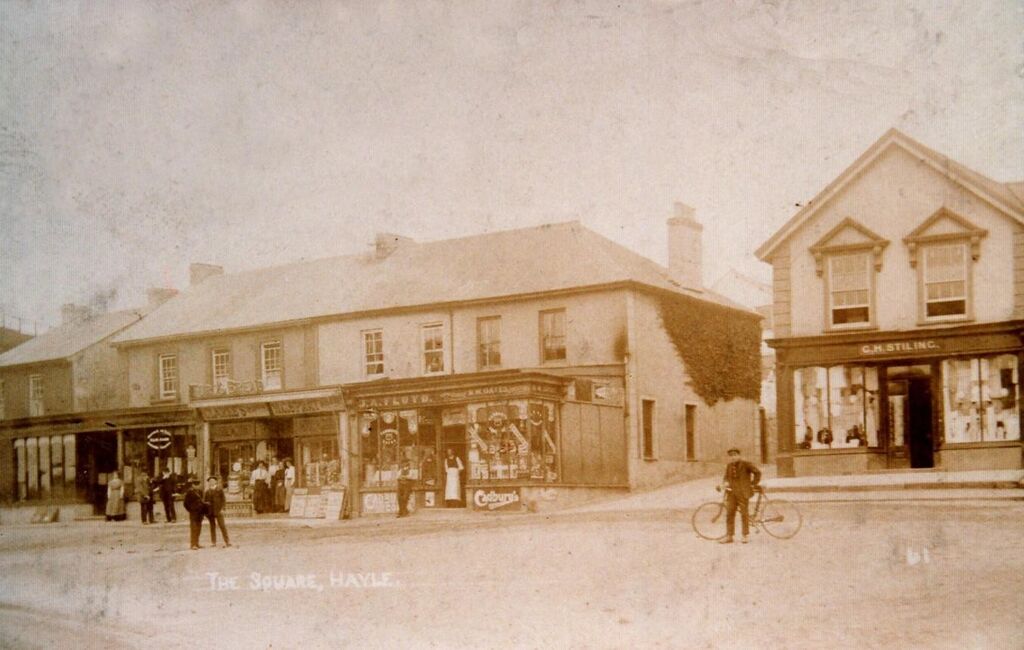
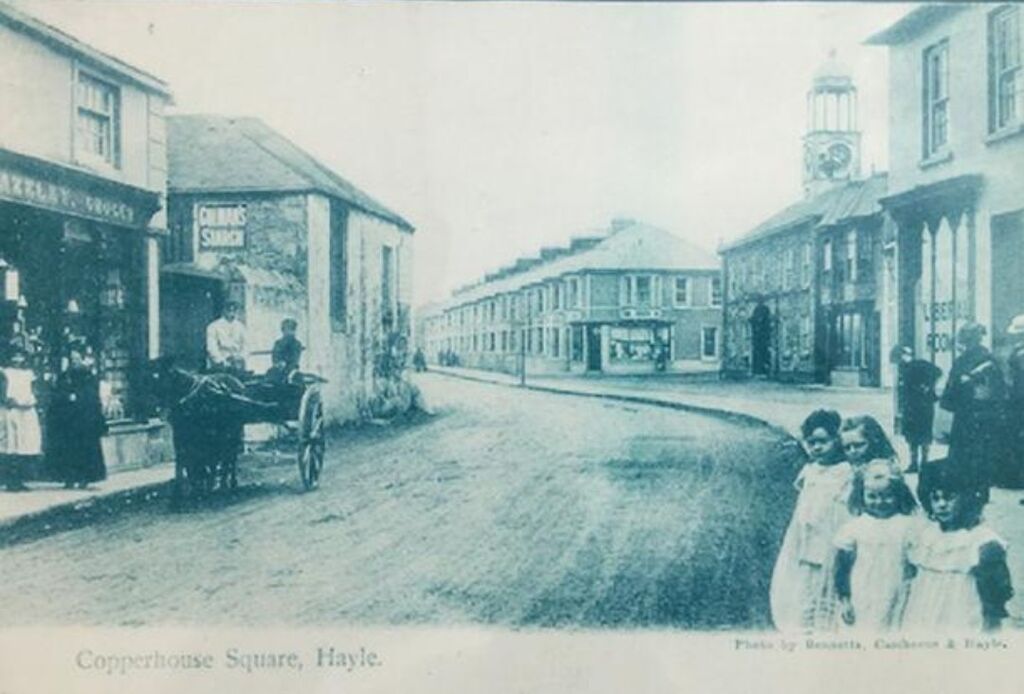
Hayle in the Late 1800’s
Hayle, in west Cornwall, was a thriving industrial and maritime town during the late 1800s. While today it is known for its beaches and estuary, Victorian-era Hayle was one of Cornwall’s most important engineering and shipping centres.
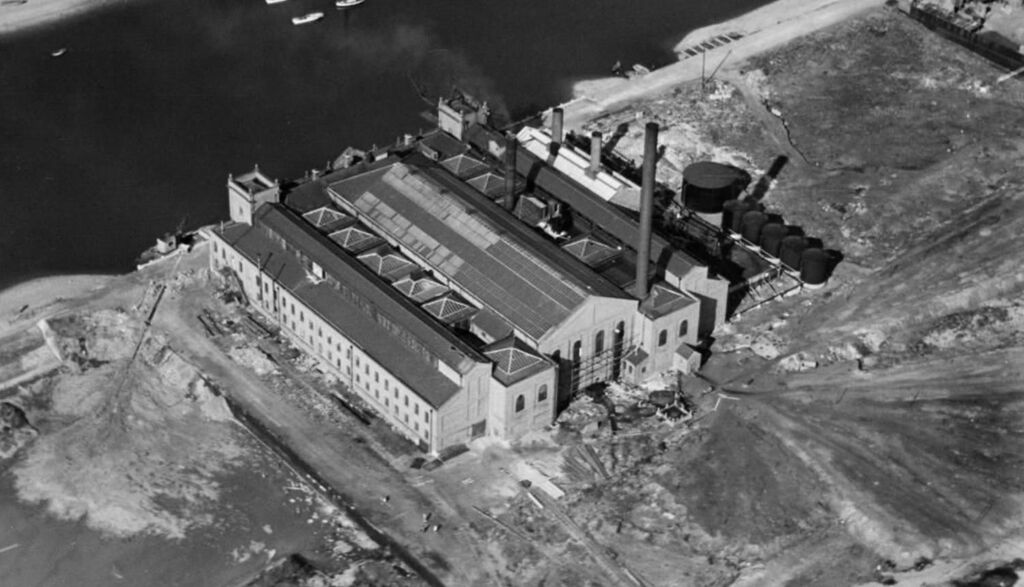
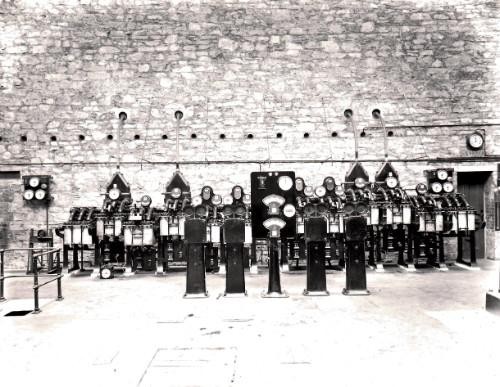
Memories of the Hayle Power Station
The Giant on the Estuary That Lit Cornwall’s Future
For more than half a century, the Hayle Power Station was one of the most recognisable landmarks on the Cornish coast.
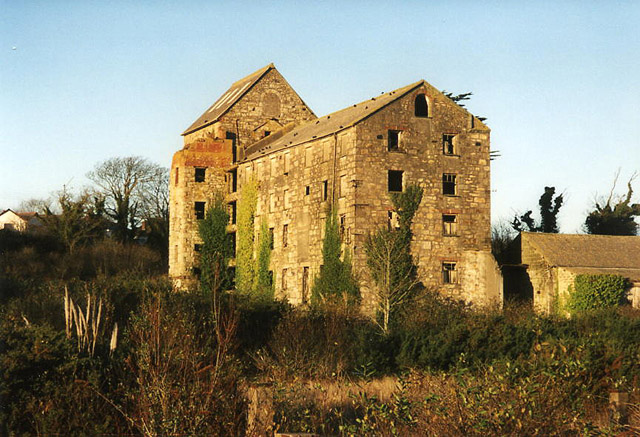
Loggans Mill & a Thousand years of Milling
Loggans Mill is one of Hayle’s oldest and most important industrial landmarks. Standing at the eastern gateway to the town, the imposing granite building reflects Hayle’s long history as a centre for milling, engineering and trade.
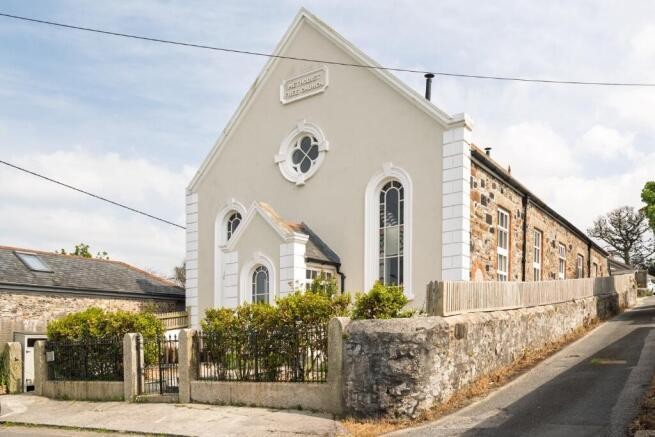
The History of Local Chapels
For generations, Hayle’s chapels have been far more than places of worship. They were centres of community life, education, music, charity and social gatherings. Their story is closely linked with the growth of Hayle itself, particularly the rise of the great industrial communities around Copperhouse and Foundry.
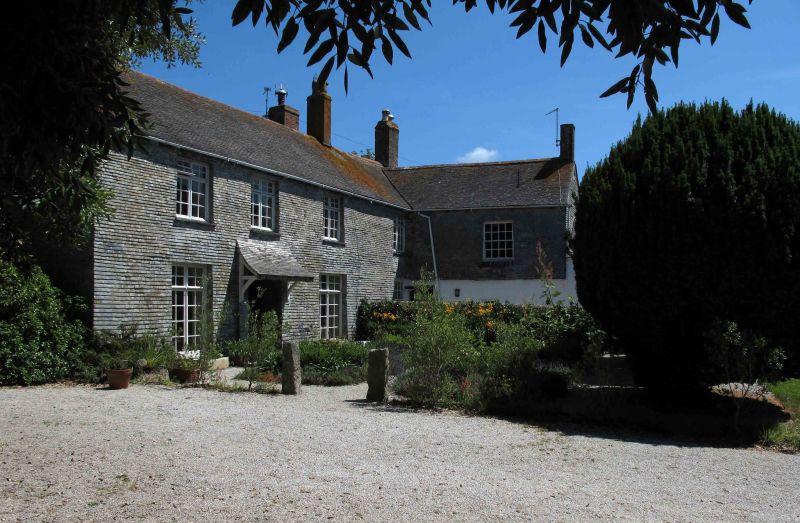
Penpol House
is one of Hayle’s oldest surviving homes and predates the town itself. Before Hayle became an important industrial port in the 18th century.
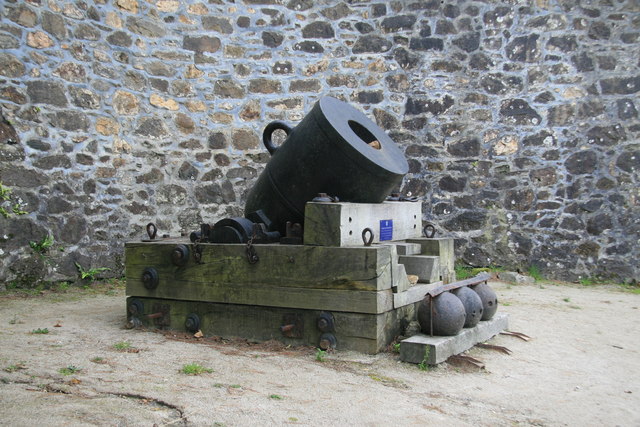
The Crimean Siege Mortar in Hayle
One of Hayle’s most unusual industrial relics is the 13-inch Crimean Siege Mortar, which stands on the lower terrace of The Plantation overlooking Foundry Square.
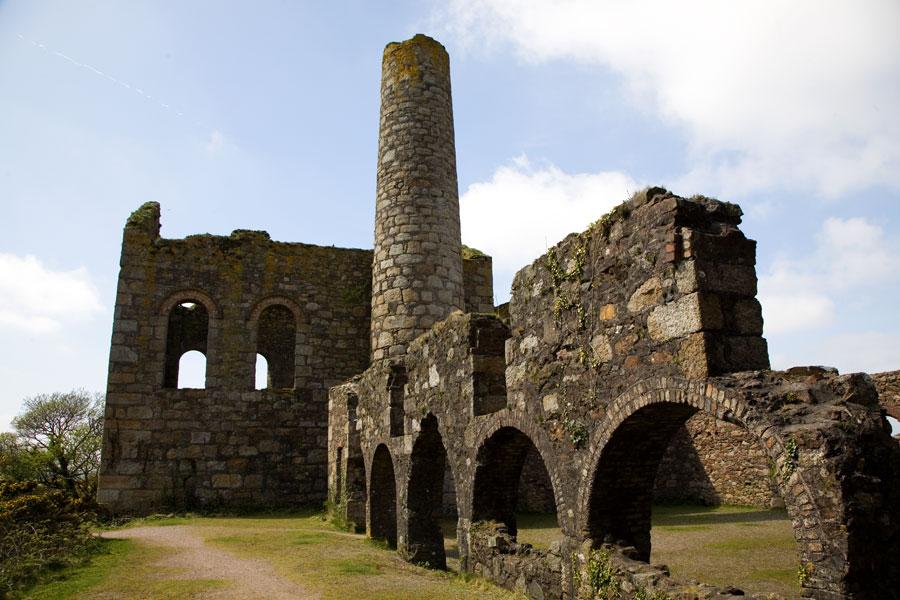
Hayle’s Historic Mining
Hayle occupies a unique place in Cornwall’s mining history. Although there were a few mines close to the town, Hayle’s real importance was as the engineering, shipping and industrial centre that supplied hundreds of mines across Cornwall and eventually around the world.
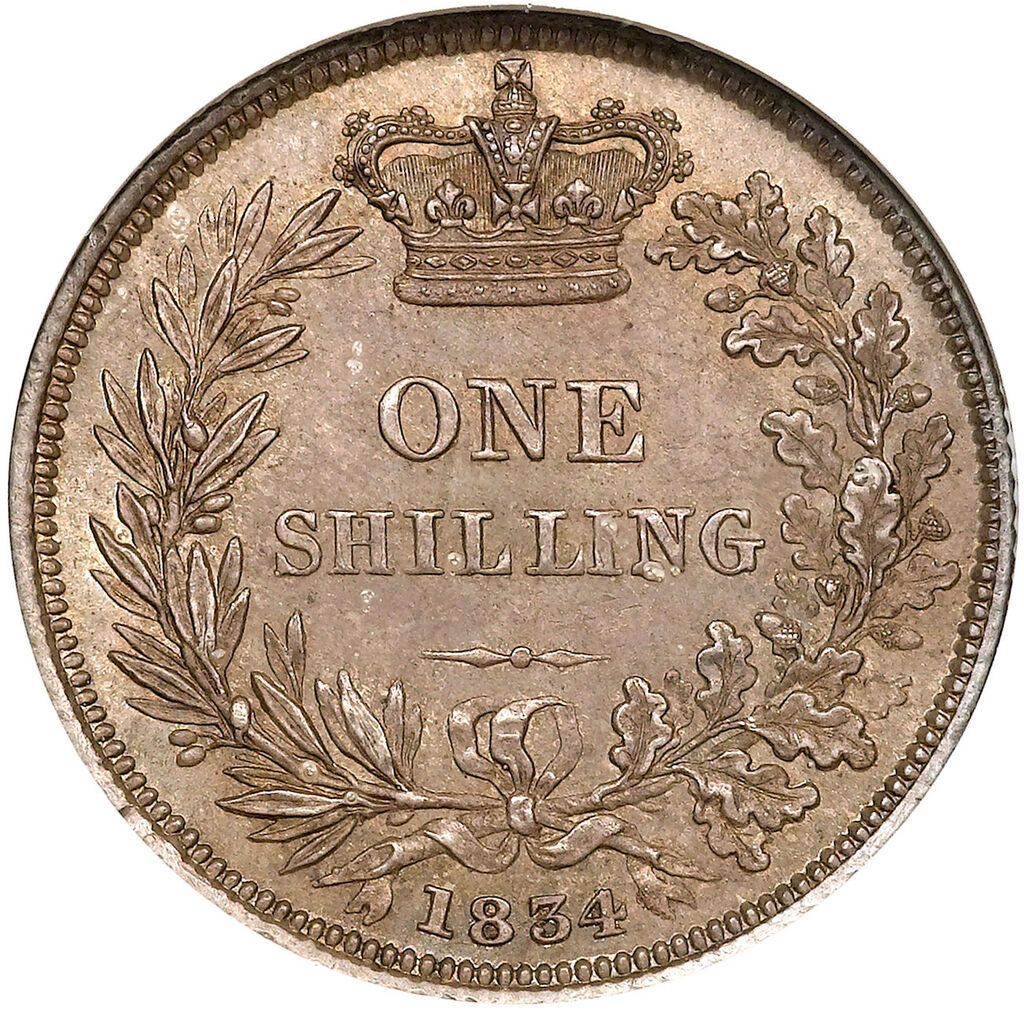
What would a Shilling get you in the 19th Century???
Reconstructing a Victorian shopping basket
Imagine stepping into Hayle around the 1880s with a single shilling in your pocket. It was a surprisingly useful amount of money, but what could you actually buy with it?
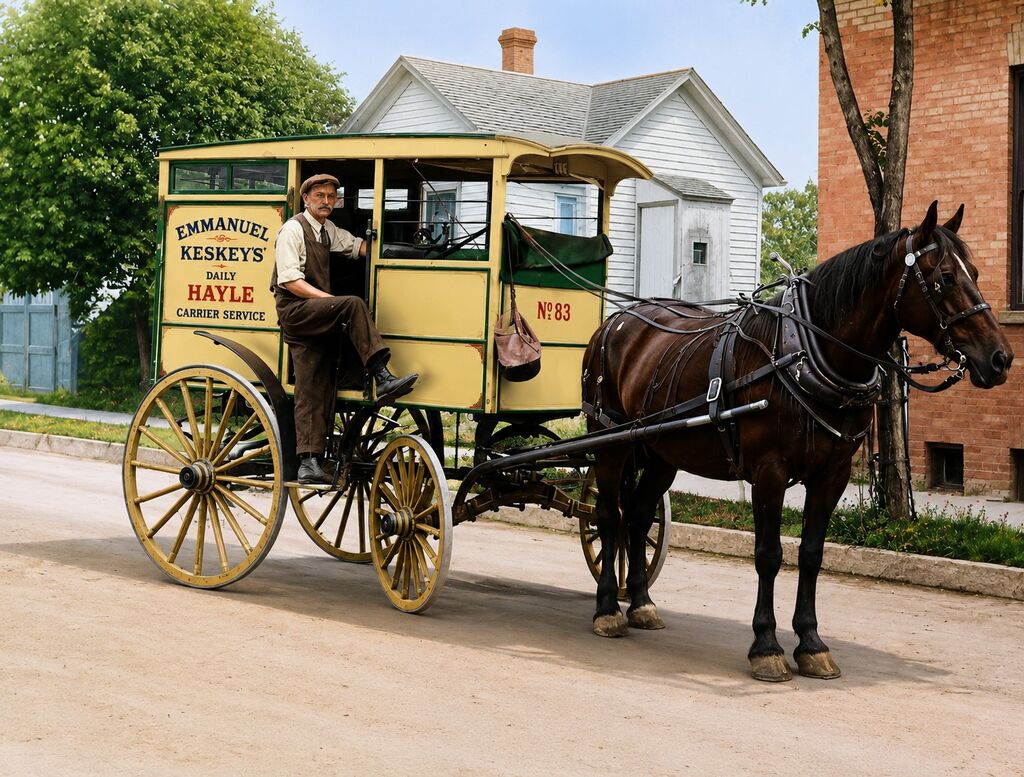
Hayle’s Horse-Drawn Deliveries
When the town’s goods travelled by horse and cart
Before Hayle’s streets filled with motor vans and lorries, almost everything that needed moving around the town travelled by horse.
Butchers in 19th-century Hayle
Hayle in the Victorian period was a busy industrial and maritime town. Its economy was tied to the harbour, shipping, engineering, foundries, mining and the surrounding agricultural countryside. That created a substantial local market for meat and other provisions.