
Stories from Hayle During Both World Wars
The Town That Served When the Nation Called
When Britain went to war in 1914 and again in 1939, Hayle’s industries, harbour and people played an important role in the national effort. The town that had once built engines for mines around the world now turned its skills towards supplying and supporting Britain’s armed forces.
The First World War – The Dynamite Towans
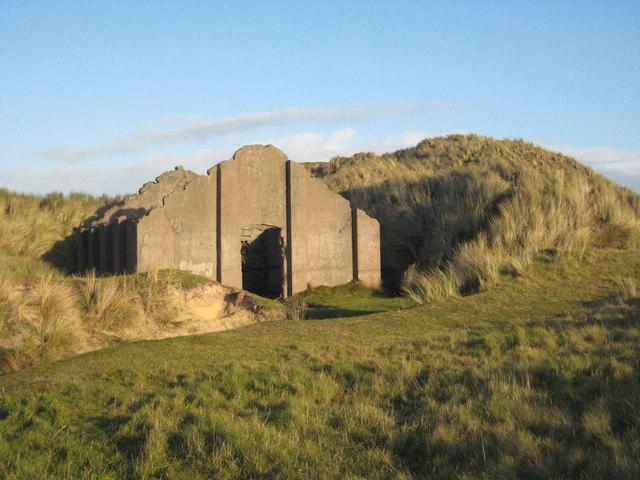
Perhaps Hayle’s most remarkable wartime story began on the Upton Towans, where the remote landscape was transformed into the National Explosives Works.
Opened in the late nineteenth century, the factory was originally built to produce dynamite for Cornwall’s mining industry. However, when the First World War began, its role changed dramatically. The works expanded production for military needs, including the manufacture of cordite, the propellant used in artillery shells and naval guns.
At its peak during the Great War, the site employed more than 1,500 people, many of them local workers. The isolated position among the dunes was deliberately chosen because explosives production was extremely dangerous. The separation between buildings helped reduce the risk of one accident causing a chain reaction.
A particularly important part of the story is the role of Hayle’s women workers. Many local women took on hazardous jobs in the factory, handling processes that were vital to the war effort while husbands, brothers and sons were serving overseas. Their contribution was a crucial but often overlooked part of Hayle’s wartime history.
Locally, the site became known simply as “Dynamite Towans”—a name that remained long after production ended.
Between the Wars – A Town Adapts
After the First World War, Hayle faced the same challenges as many industrial towns. The great engineering works declined, but the harbour and skilled workforce remained valuable. New industries developed, including businesses connected with chemicals, engineering and manufacturing.
The town’s experience of wartime production meant Hayle still possessed something extremely valuable: people who knew how to build, repair and manufacture.
The Second World War – Hayle on the Front Line
During the Second World War, Hayle became strategically important once again. Its harbour, railway connections, engineering businesses and industrial sites all contributed to Britain’s war preparations.
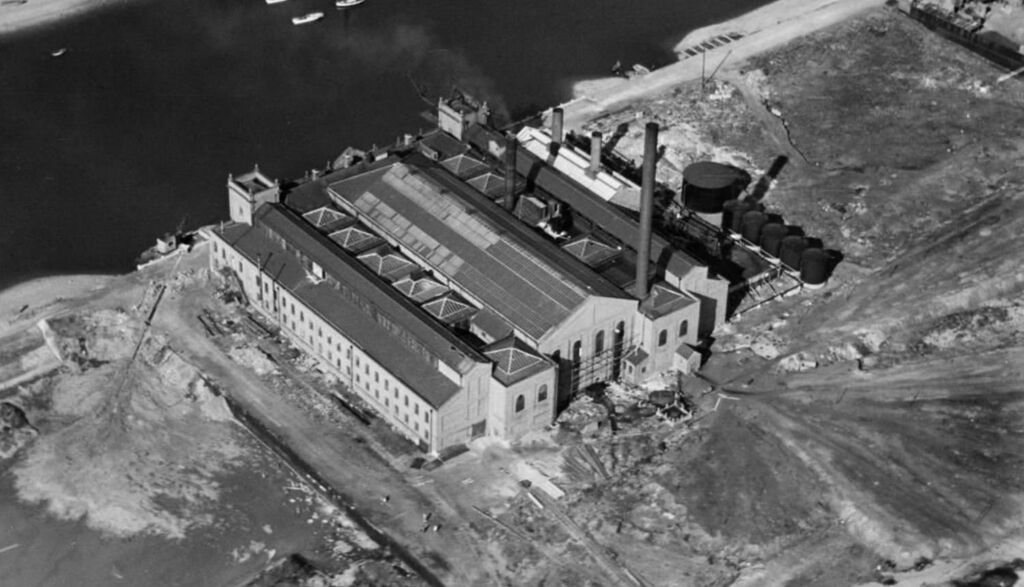
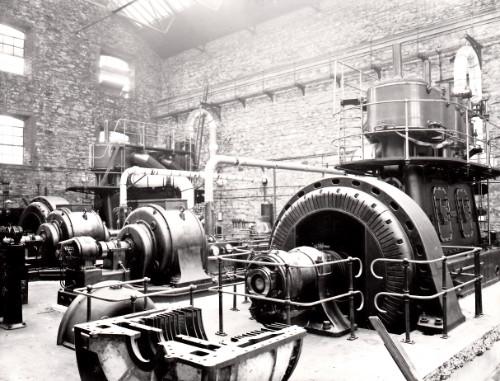
The Hayle Power Station, built in 1910, played an important role by supplying electricity to local industries. The town’s engineering tradition continued through firms such as J & F Pool, which produced vital wartime equipment.
J & F Pool became involved in wartime production, manufacturing trench mortar bombs for the armed forces. In 1943, workers were recognised for producing one million mortar bombs—an extraordinary achievement for a relatively small Cornish factory.
The threat of invasion also changed the landscape. Defensive structures were built along the coast, including pillboxes and other fortifications, as Cornwall became part of Britain’s coastal defences. Hayle’s beaches, harbour and approaches were all considered strategically important.
The Human Story
Behind the factories and buildings were thousands of individual stories:
- Families waiting for news from loved ones serving overseas.
- Women stepping into industrial jobs for the first time.
- Workers producing equipment that would be used far from home.
- Children growing up under blackout restrictions and the fear of invasion.
- Communities supporting each other through rationing and uncertainty.
Hayle was never a battlefield in the traditional sense, but it was very much part of the war effort.
A Legacy Written Into the Landscape
Today, reminders of Hayle’s wartime past remain:
- The earthworks and remains of the National Explosives Works on Upton Towans.
- Coastal defences along the shoreline.
- Industrial buildings linked to wartime production.
- Memories preserved by local families and the Hayle Heritage Centre collections.
Did you know?
During the First World War, the National Explosives Works became the largest single employer in Hayle’s history, with thousands depending on the factory directly or indirectly. A quiet stretch of sand dunes had become one of Cornwall’s most important wartime production sites.