
Hayle, in the late 1800’s.
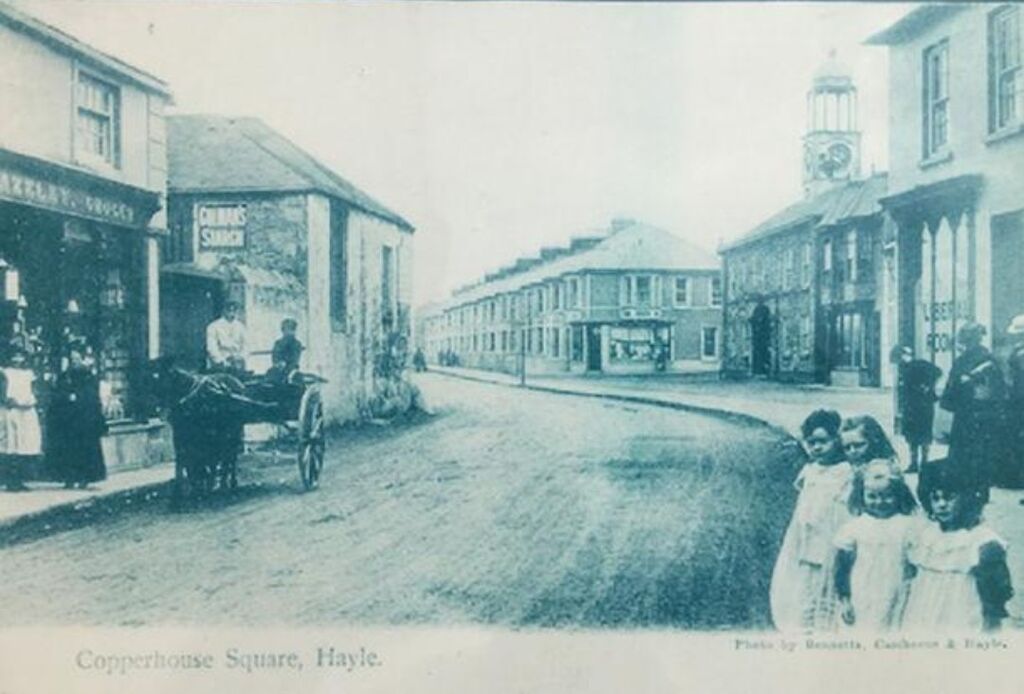
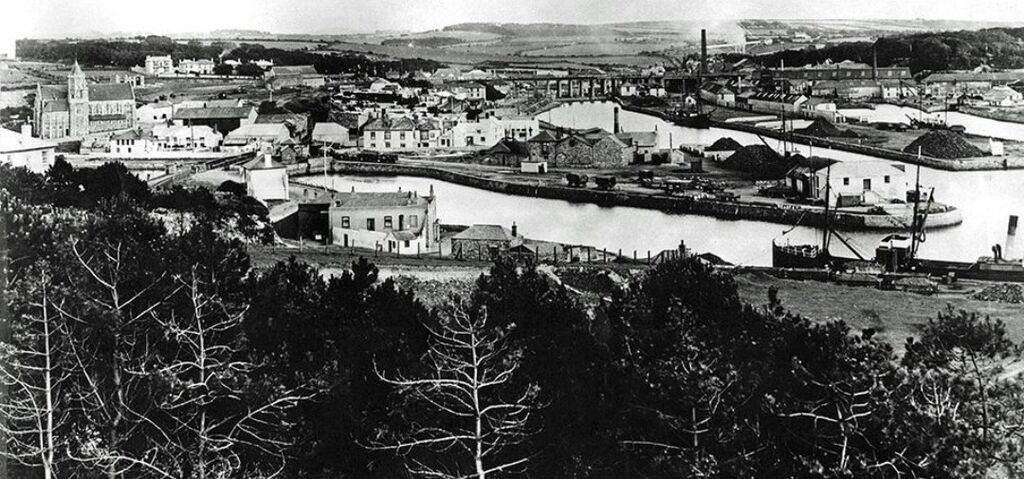
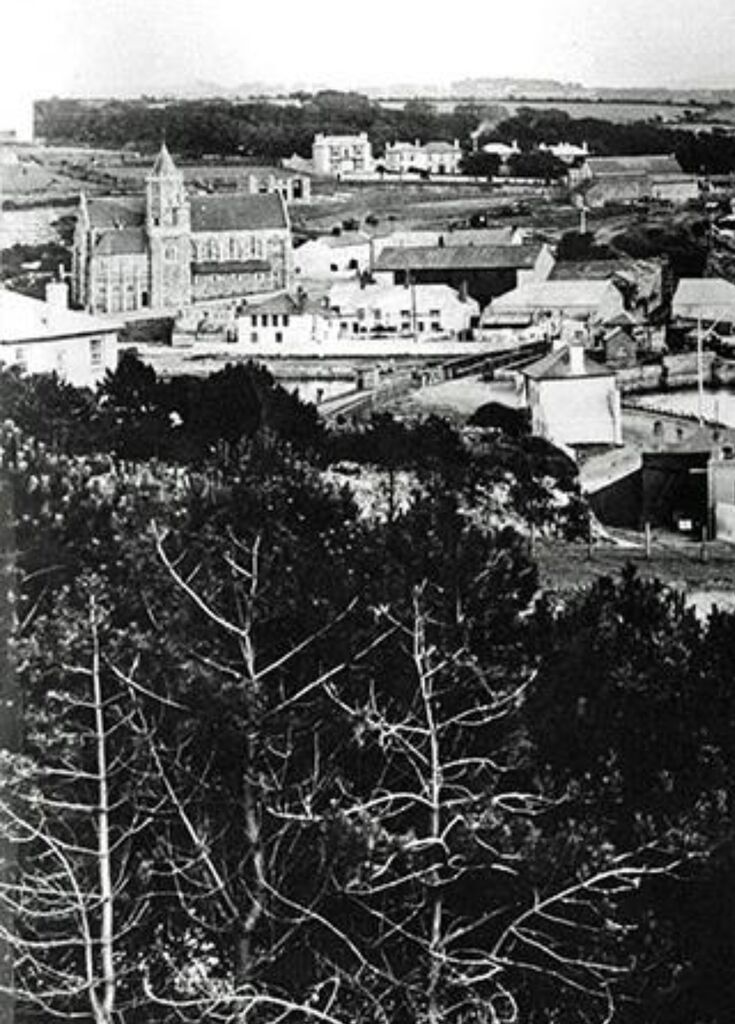
Hayle, in west Cornwall, was a thriving industrial and maritime town during the late 1800s. While today it is known for its beaches and estuary, Victorian-era Hayle was one of Cornwall’s most important engineering and shipping centres
Industry and engineering
The town’s prosperity was driven by Harvey & Co. and the Cornish Copper Company.
- The Hayle Foundry, operated by Harvey & Co., built world-famous steam engines used in mines across Cornwall and exported them around the world.
- The Cornish Copper Company smelted copper ore brought in by sea, although copper smelting declined during the 19th century as cheaper overseas ore became available.
A busy harbour
Hayle Harbour was one of Cornwall’s busiest ports.
Ships regularly carried:
- Coal from South Wales.
- Timber from Scandinavia and Canada.
- Copper ore and tin.
- Machinery manufactured in Hayle.
- Agricultural products and fish.
The harbour was tidal, so ships had to carefully time their arrivals and departures.
The town
Victorian Hayle consisted mainly of two settlements:
- Foundry – centred around the engineering works.
- Copperhouse – built around the copper industry.
These communities even had separate churches, shops, schools, and pubs, creating a friendly rivalry between them.
Railways
The arrival of the railway transformed Hayle.
The Cornwall Railway reached Hayle in the 1850s, making it easier to transport goods and passengers. By the late 1800s, trains connected Hayle with Penzance, Truro, Plymouth, and London.
Everyday life
Life depended greatly on social class.
- Engineers and skilled craftsmen earned relatively good wages.
- Labourers, dock workers, and fishermen had more uncertain incomes.
- Many families lived in granite or stone cottages.
- Children often left school early to work, although compulsory education gradually became more common after the 1870s.
Methodist chapels played a major role in community life, alongside local fairs, markets, brass bands, and rowing regattas.
Population
By the end of the 19th century, Hayle had a population of around 8,000 people—larger than today. As Cornwall’s mining industry declined, engineering and shipping also slowed, leading many residents to emigrate to places such as Australia, South Africa, and the United States.
What Hayle would have looked like
A visitor in the 1890s would have seen:
- Tall chimneys from foundries and smelting works.
- Steam engines and workshops producing heavy machinery.
- Sailing ships and early steamships in the harbour.
- Horse-drawn carts carrying coal and goods through narrow streets.
- Rows of workers’ cottages around Foundry and Copperhouse.
- A busy railway station with freight wagons and passenger trains.
Although much of the heavy industry has disappeared, many Victorian buildings, the harbour layout, and parts of the industrial landscape still survive, reflecting Hayle’s importance during Cornwall’s industrial age.