
Hayle Built Part of the Clifton Suspension Bridge
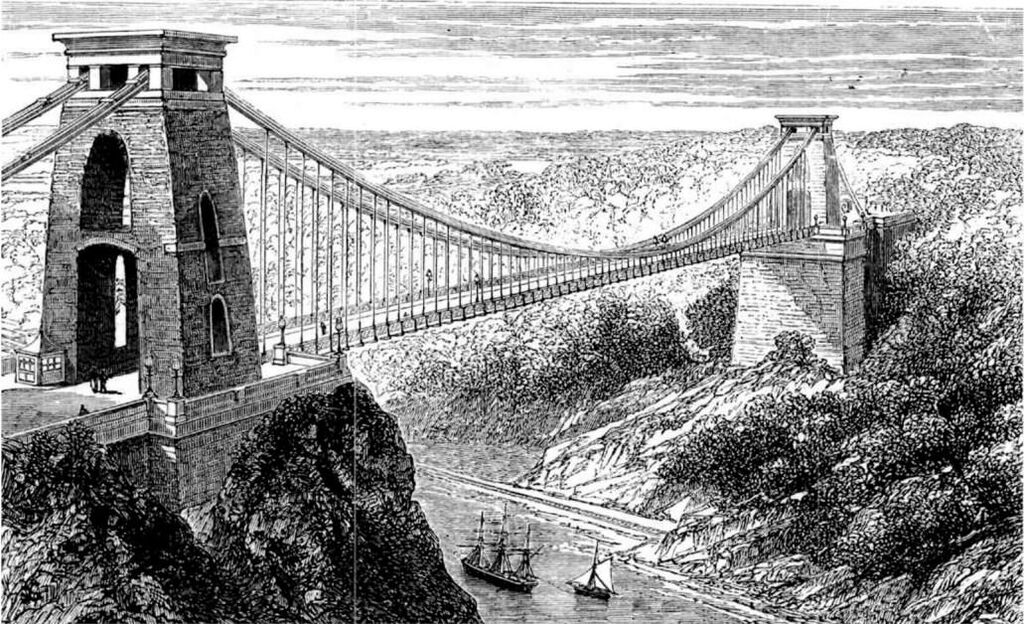
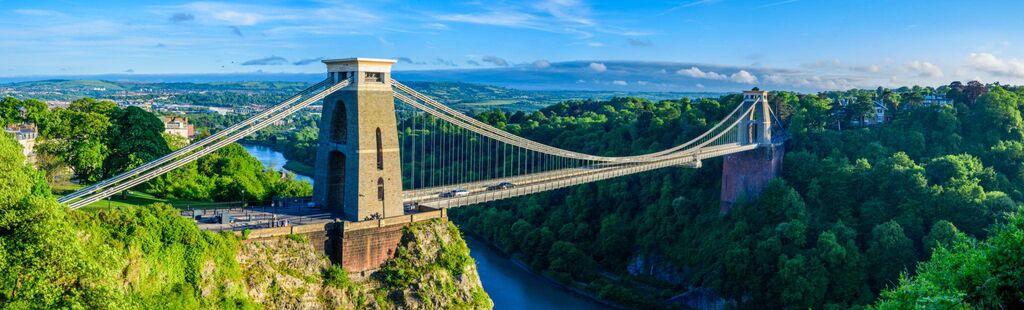
Every year, millions of people visit Bristol’s magnificent Clifton Suspension Bridge, admiring one of Britain’s greatest engineering landmarks. Few of them realise that part of this iconic structure was made in Hayle.
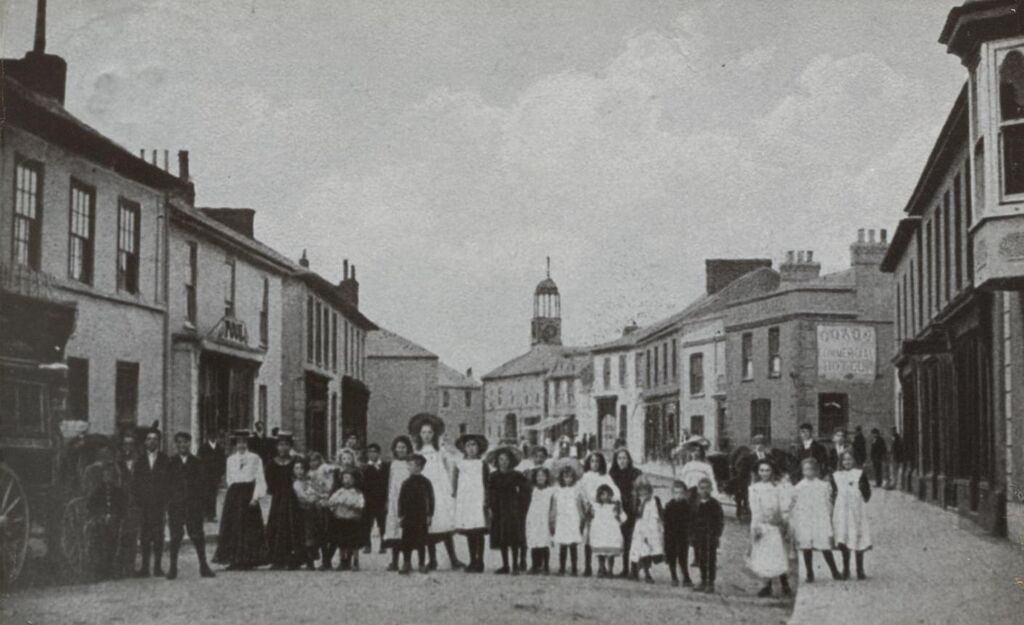
Long before the bridge became a symbol of Bristol, the Cornish Copper Company at Copperhouse had earned a reputation for producing high-quality ironwork. Established in 1758, the company became one of the largest employers in west Cornwall, importing copper ore from across the county and exporting finished products around the world.
When work resumed on Isambard Kingdom Brunel’s Clifton Suspension Bridge after his death, the contractors needed thousands of precision-made wrought-iron links for the bridge’s suspension chains. The Cornish Copper Company in Hayle was awarded the contract to manufacture many of these vital components, demonstrating the confidence that engineers placed in the workmanship of the town’s skilled craftsmen.
Each chain link had to be forged with exceptional accuracy. The suspension chains support the entire weight of the bridge deck, together with traffic, pedestrians and the powerful winds that sweep through the Avon Gorge. Even the slightest flaw could have had serious consequences, so only manufacturers with an outstanding reputation were trusted with such an important task.
At Copperhouse, teams of blacksmiths and ironworkers heated, shaped and tested every link before it left Hayle. Once completed, the ironwork was transported by sea and rail to Bristol, where it became part of one of the most ambitious engineering projects of the Victorian era.
The Clifton Suspension Bridge finally opened in 1864, five years after Brunel’s death. Stretching more than 700 feet (214 metres) across the spectacular Avon Gorge, it remains one of the world’s finest examples of nineteenth-century bridge engineering and is still carrying traffic more than 160 years later.
For Hayle, the bridge represents something much larger than a single contract. During the nineteenth century, the town’s foundries and engineering works were supplying machinery, engines, bridges and ironwork to customers across Britain and around the globe. The fact that Hayle contributed to one of the country’s most celebrated landmarks is another reminder of the town’s extraordinary industrial heritage.
Today, visitors crossing the Clifton Suspension Bridge may never realise that some of the iron supporting them was forged by skilled craftsmen in a small Cornish town. Yet Hayle’s contribution remains an enduring part of the bridge’s story—a quiet but significant reminder that the town once stood at the forefront of British engineering.
Next time you visit Bristol and look up at the great suspension chains stretching across the gorge, remember that part of this engineering masterpiece began its journey in the furnaces of Copperhouse.
Did You Know?
- The Cornish Copper Company at Copperhouse was founded in 1758.
- Hayle craftsmen manufactured many of the wrought-iron chain links used in the Clifton Suspension Bridge.
- The bridge opened in 1864, five years after Brunel’s death.
- More than 11 million vehicles cross the Clifton Suspension Bridge each year, with its Hayle-made ironwork still playing its part.
A note on the history: There is strong historical evidence that the Cornish Copper Company in Hayle supplied ironwork for the bridge. However, exactly which chain sections or how many links were manufactured in Hayle is not fully documented. The town’s contribution is well recognised locally, but the precise extent of that contribution remains a subject of historical research. This makes it a fascinating part of Hayle’s industrial story rather than a fully quantified one.