
Hayle’s Ancient Harbour
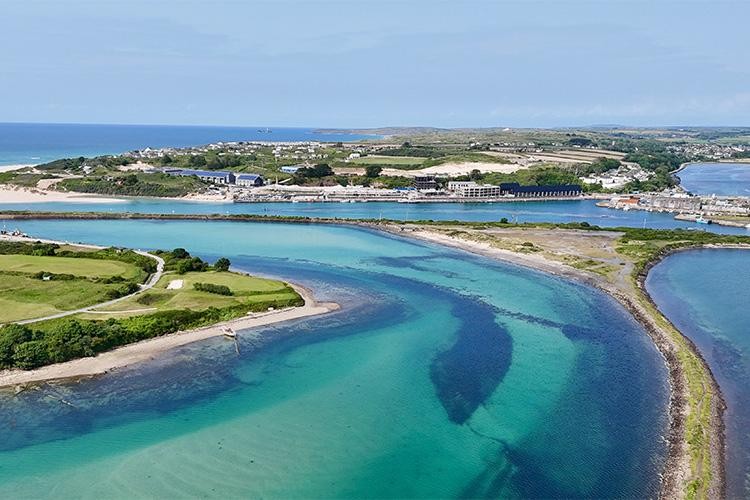
Long before Harvey’s Foundry, steam engines and the Industrial Revolution transformed Hayle, its greatest asset was already there—the magnificent natural harbour formed by the Hayle Estuary.
For thousands of years, the estuary has been one of only two naturally sheltered harbours on Cornwall’s north coast, the other being Padstow. This made Hayle a vital stopping place for traders, fishermen and travellers navigating what has always been one of Britain’s most challenging coastlines.
Archaeological discoveries reveal that people have lived around the estuary since prehistoric times. Mesolithic flints dating back around 10,000 years have been found, alongside evidence of Bronze Age settlements at nearby Gwithian and an Iron Age hillfort overlooking Carnsew Pool. From this commanding position, ancient inhabitants could watch every vessel entering and leaving the harbour.
Historians believe Hayle became an important centre for the prehistoric tin trade. Cornwall’s tin was one of Europe’s most valuable commodities, and merchants are thought to have sailed here from Ireland, Brittany and possibly even the Mediterranean. Imported pottery and amphorae discovered around the estuary suggest Hayle was connected to an international trading network long before the Romans arrived in Britain.
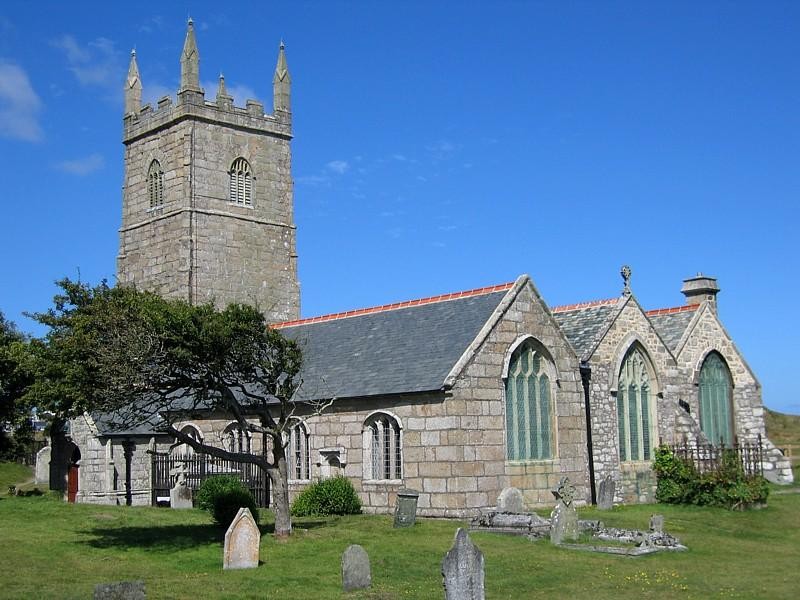
The estuary also played a significant role in the spread of Christianity. Around the fifth century, Irish missionaries crossed the sea to Cornwall, bringing their faith with them. One of the most remarkable reminders of this period is the Cunaide Stone, one of the oldest inscribed Christian memorial stones in Cornwall, discovered on the slopes above the estuary.
During the Middle Ages, Hayle’s fortunes declined. Centuries of tin streaming upstream washed huge quantities of silt into the estuary, making navigation increasingly difficult. Trade gradually shifted towards St Ives, whose harbour became easier to access.
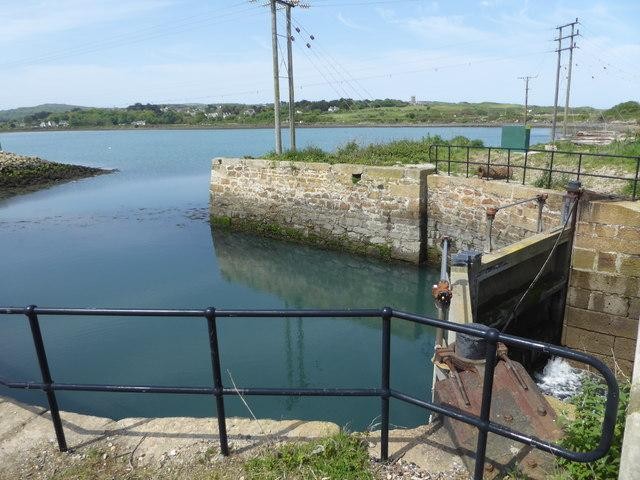
Everything changed again during the eighteenth century. Engineers and entrepreneurs recognised the value of the harbour and began constructing quays and docks. Hayle rapidly developed into one of the world’s greatest mining ports, exporting steam engines and engineering expertise across the globe. The ancient harbour that had welcomed Bronze Age traders was now sending Cornish technology to every continent.
Today, while the estuary is internationally recognised for its birdlife and forms part of the Cornish Mining World Heritage Site, it still tells the story of 10,000 years of human activity. Every tide that sweeps through Hayle carries echoes of prehistoric traders, Celtic missionaries, medieval fishermen and Victorian engineers—all linked by one remarkable natural harbour.
Did you know?
The name Hayle comes from the Cornish word “Heyl”, meaning estuary—a reminder that the harbour has always been at the heart of the town’s identity.