
Hayle’s Horse-Drawn Deliveries
When the town’s goods travelled by horse and cart
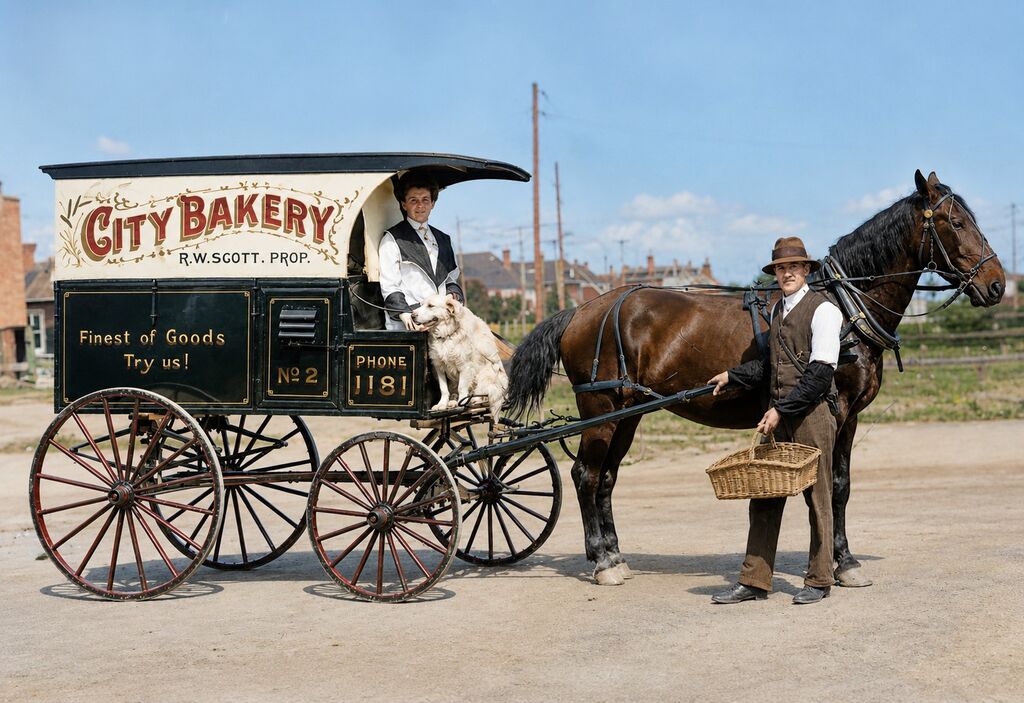
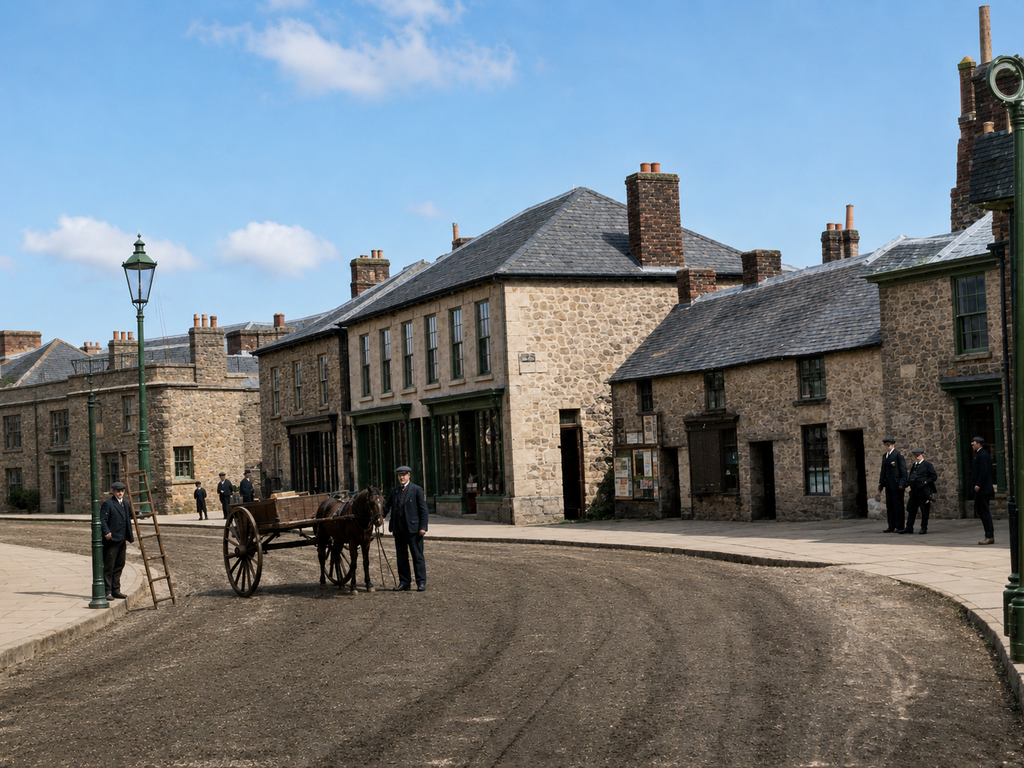
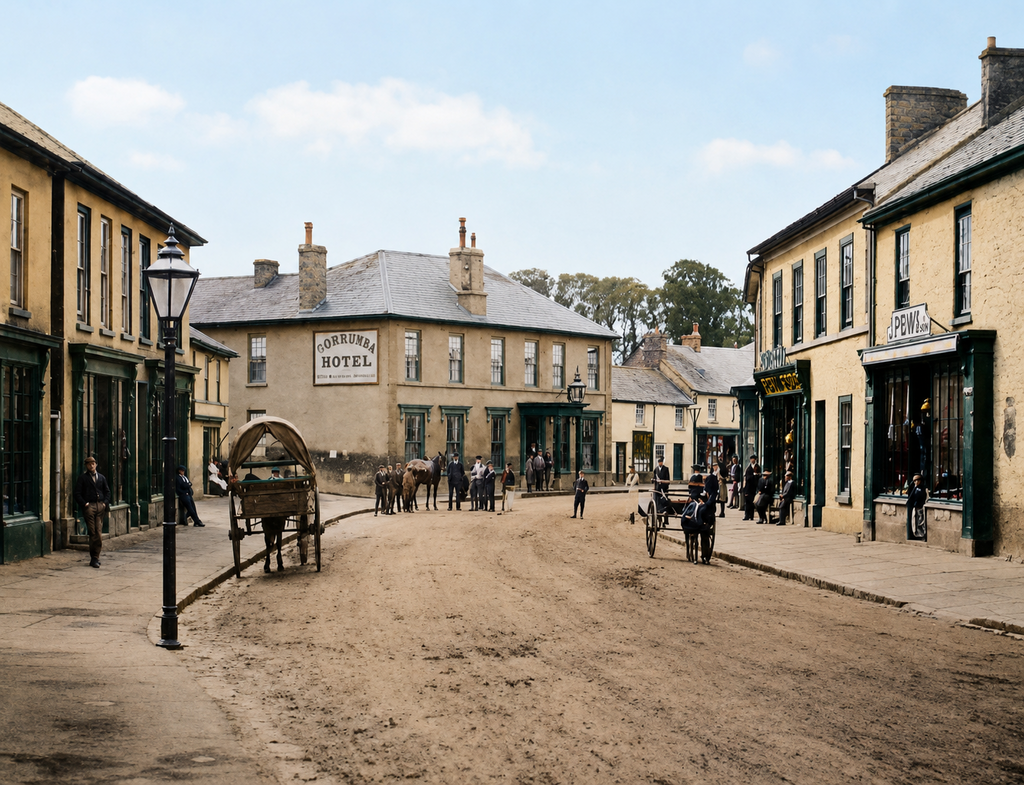
Before Hayle’s streets filled with motor vans and lorries, almost everything that needed moving around the town travelled by horse.
For Victorian Hayle, the horse was not simply a means of transport. It was part of the town’s commercial infrastructure. Goods arrived by ship or railway, were unloaded at the harbour or railway premises, and then needed to make the final journey to a shop, workshop, public house or private home.
The importance of this local carrying trade is reflected in contemporary directories. Hayle’s surviving nineteenth-century directories include the Post Office Directories of 1856, 1868 and 1873, Harrod’s Directory of 1878, and Kelly’s Directories of 1883 and 1897. These sources provide a valuable record of the people and businesses involved in the town’s commercial life.
The railway brought another stream of goods into Hayle. Coal, provisions, building materials and manufactured goods could arrive by rail before being transferred to carts for their final destination. Meanwhile, Hayle’s harbour remained an important entry point for bulk commodities.
Coal was particularly important. Hayle’s industrial works consumed enormous quantities of fuel, while coal was also required for domestic heating and cooking. Harvey & Co. were involved in the coastal coal trade, and the company built vessels specifically for this trade, including the Carnsew in 1888 and another vessel named Hayle in 1893.
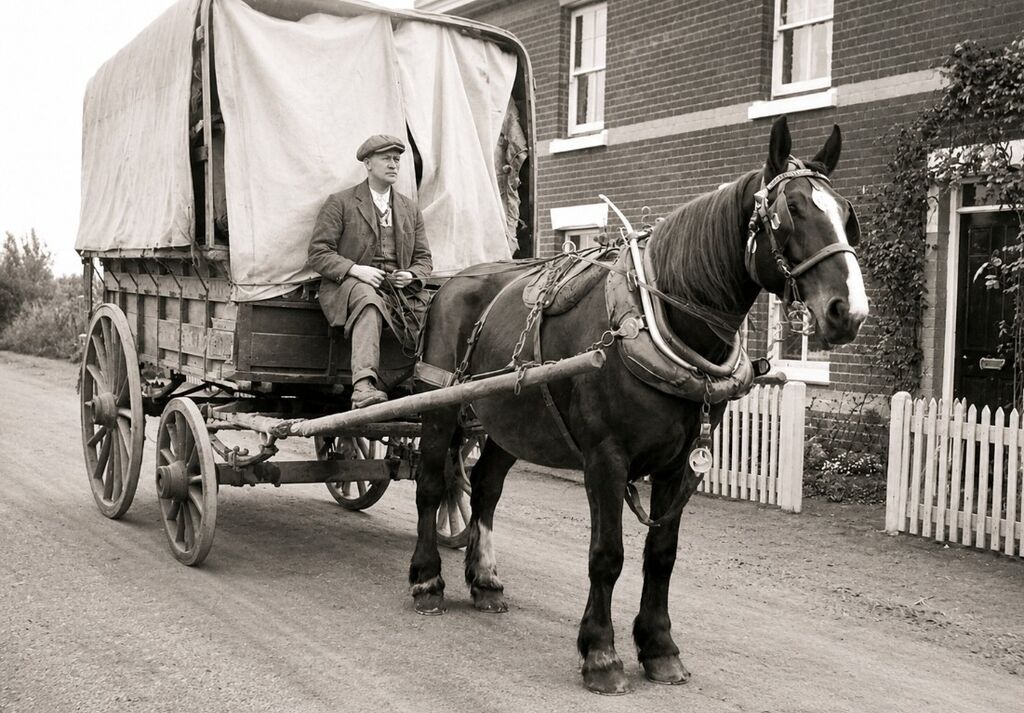
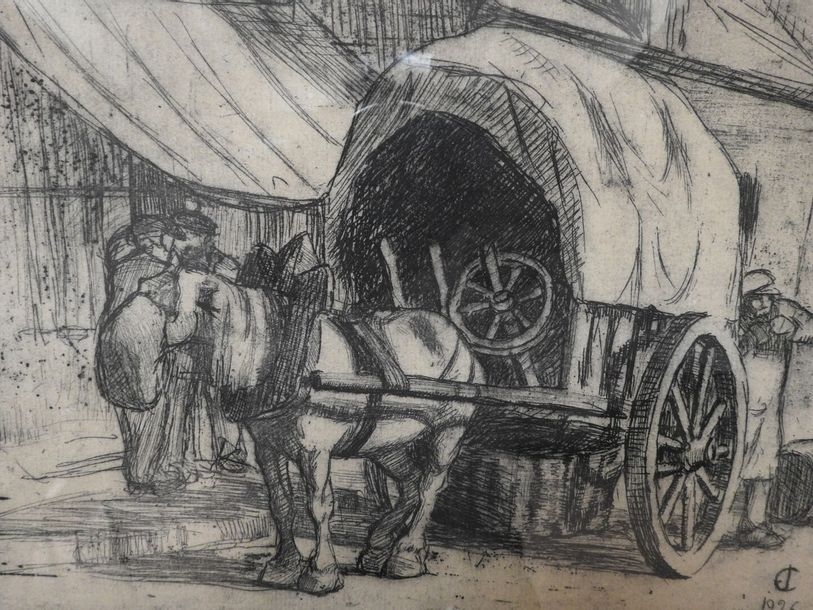
Once coal reached Hayle, somebody still had to move it from the wharf to its customer. Heavy horse-drawn carts were ideally suited to this work. The deliveryman faced the unenviable task of handling sacks of coal, often carrying them from the cart to a coal house or shed.
Food was another essential part of the local delivery economy. Hayle’s nineteenth-century commercial records show the variety of food-related trades operating in the district, including grocers, butchers, flour dealers and market gardeners. The system depended upon goods being continually moved from producers, wholesalers and merchants to shops and customers.
Milk would have been a particularly local product. Farms surrounding Hayle supplied dairy produce, and by the end of the nineteenth century the trade was becoming increasingly organised. Later directory evidence identifies dairy farming around Hayle, illustrating the close relationship between the town and its surrounding farms.
Horse-drawn transport was also used for people. In 1892, during Hayle’s carnival, a brake belonging to Mr Champion’s White Hart Hotel was used to transport people, with T. Jose acting as postillion. The contemporary report gives us a vivid glimpse of the horse-drawn vehicles still in everyday use in Hayle at the time.
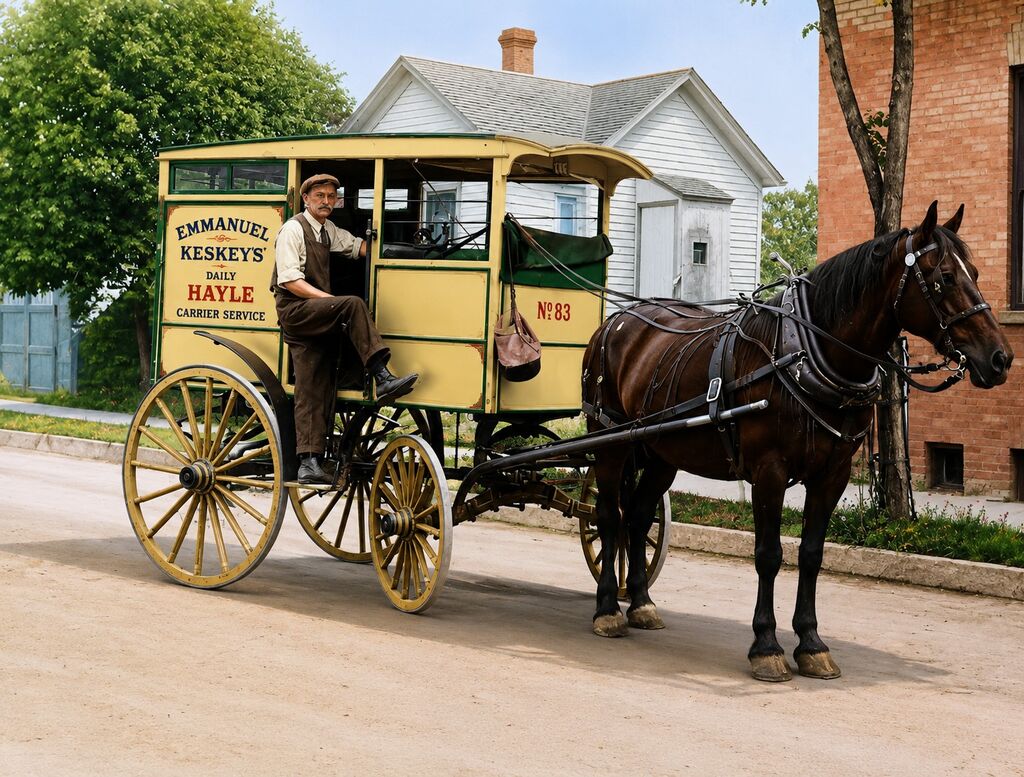
There was also regular communication between neighbouring towns. The 1873 directory for St Ives records Emmanuel Keskeys operating a daily carrier service to Hayle. This was more than a passenger service: carriers were an essential part of the Victorian transport network, providing a practical means of moving people, parcels and smaller consignments between towns.
The horse therefore connected all the different parts of Hayle’s economy. A shipment arriving at the harbour could eventually reach a local shop by cart. Goods arriving at the railway could continue their journey by road. A farmer could bring produce into town, while a carrier could take parcels and passengers onwards towards St Ives or elsewhere.
And then there was the noise.
Imagine Victorian Hayle early in the morning: the sound of hooves on the road, harness rattling, cart wheels passing over the street surface, drivers calling to their horses and the occasional clatter as heavy goods were unloaded. Add the noise of the harbour, railway and foundries and it must have been a remarkably busy soundscape.
Motor transport gradually changed all this during the twentieth century. Vans and lorries could travel faster, carry heavier loads and cover greater distances without the need for stables, fodder and rest periods.
But the horse did not disappear overnight. For many years, horse and motor vehicles worked alongside one another.
Today, home deliveries are associated with vans arriving at our doors. In Victorian Hayle, the same principle already existed — only the delivery vehicle was made of wood and iron, and its engine had four legs.
The horse and cart may have vanished from Hayle’s streets, but without them the shops, homes, harbour and industries of Victorian Hayle could never have functioned as they did.