
The Saddlers and Harness Makers of Hayle
The craftsmen who kept Victorian Hayle’s horses and carriers on the road
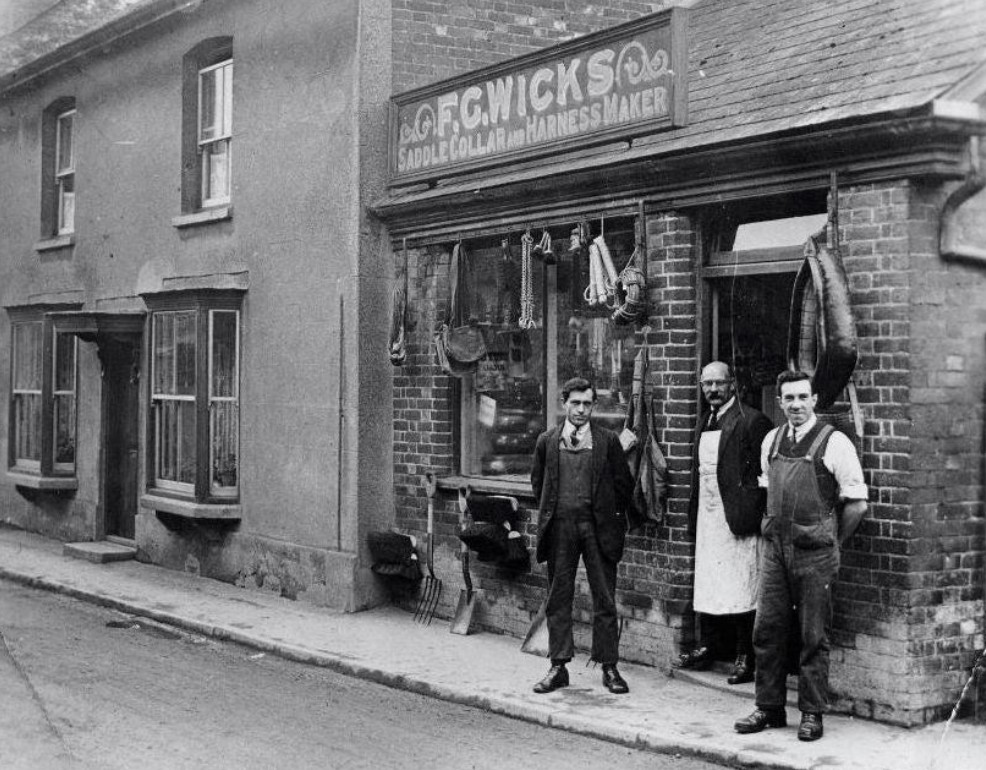
Before the motor car transformed transport, Hayle depended heavily on horses. They hauled carts and wagons, carried goods between the harbour, foundries and surrounding countryside, and provided transport for local businesses and residents. Behind every working horse was another essential trade: the saddler and harness maker.
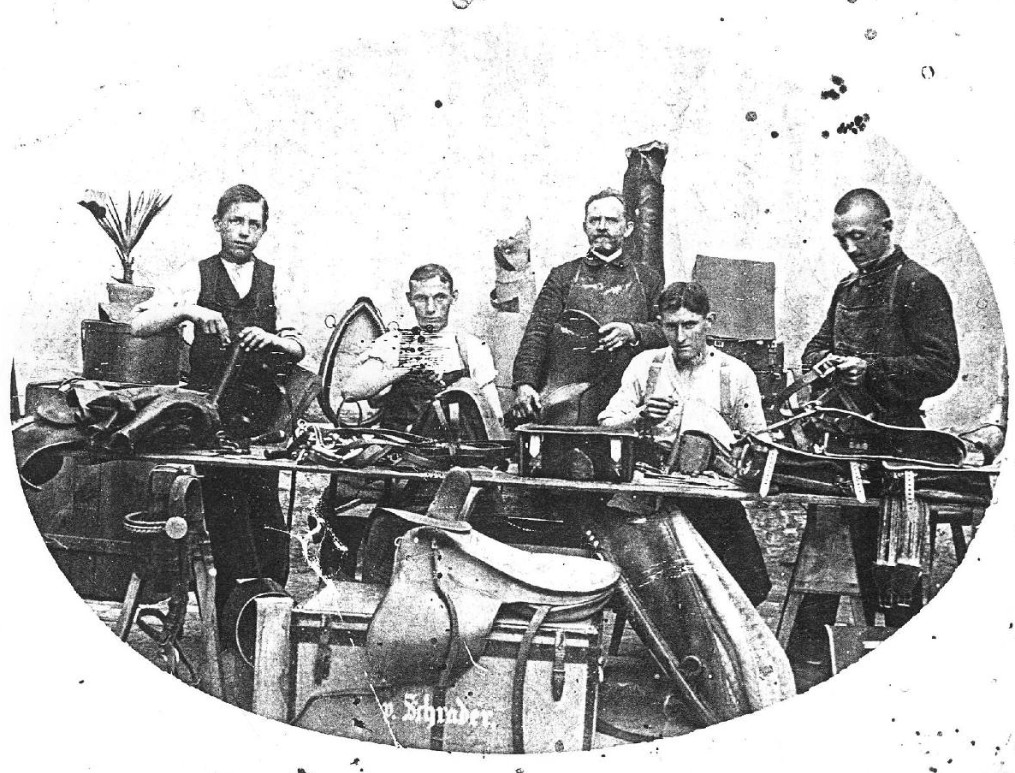
Their work involved far more than making saddles. A saddler produced and repaired bridles, reins, collars, traces, breastplates, harnesses and other leather equipment. For a carrier or tradesman, properly fitted harness was essential: damaged leather or broken fittings could prevent a horse and cart from working.
The surviving records give us some remarkably clear evidence of this trade in Hayle.
In 1881, Hannibal Tredinnick, aged 36, was living at 144 Commercial Road and was recorded as a saddler. His household included his wife Elizabeth and their children.
Ten years later the Tredinnick business had developed into a small family saddlery operation. The 1891 census records Hannibal Tredinnick, aged 46, at 16 Commercial Road, described as a saddler and employer. His 22-year-old son, Harry E. Tredinnick, was also a saddler, while his 17-year-old son Frederick J. Tredinnick was a saddler’s apprentice.
This is an excellent example of how skilled trades were passed between generations. A young man could enter his father’s workshop as an apprentice, learn the craft over several years and eventually become a skilled tradesman himself.
There was an even longer Tredinnick connection with the trade. The 1891 census records John Tredinnick, aged 76, living in Commercial Road and described as a retired saddler. This suggests that saddlery had already been established in the family for several decades.
The trade directories provide another important name. William John Angove was listed as a “saddler & harness maker” at Fore Street. This gives us a second identifiable saddler and, importantly, another Hayle street in which the trade was operating.
By the nineteenth century, therefore, Hayle had saddlers operating in at least Commercial Road and Fore Street, serving a town where horses remained fundamental to transport.
Their customers would have included carriers, farmers, merchants, tradesmen and the owners of private horses. Hayle’s industrial activity created additional demand. Horses were needed around the foundries and harbour, while carts and wagons carried heavy loads through the town and surrounding districts.
The saddler also worked closely with other traditional trades. The wheelwright made and repaired the cart; the blacksmith supplied the ironwork and shod the horse; the saddler supplied the leather harness connecting horse and vehicle. Together these craftsmen formed part of a transport system that operated long before the lorry and delivery van.
The arrival of the railway reduced some of the need for long-distance horse transport, but horses remained essential for local deliveries well into the twentieth century. Eventually the motor vehicle, factory-produced harness and changing patterns of transport brought the traditional saddler’s role into decline.
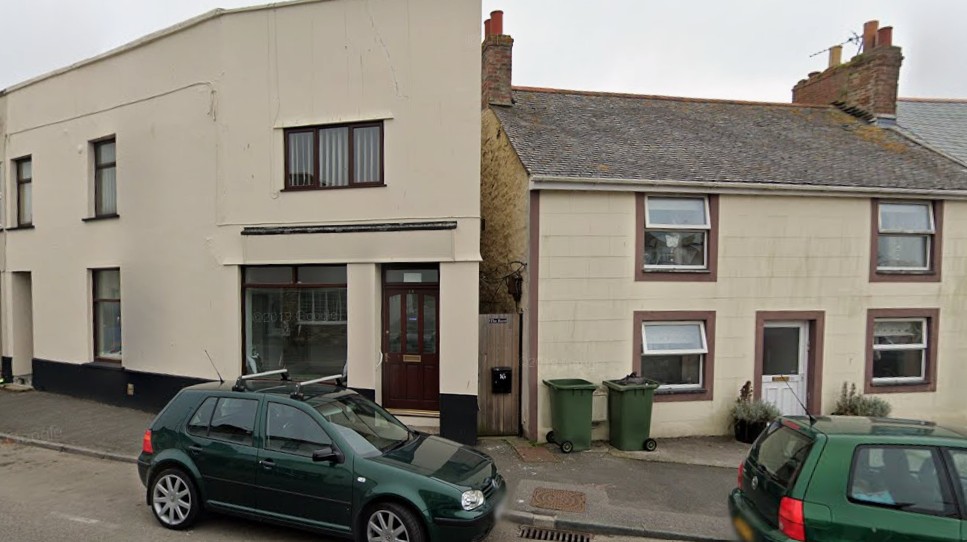
Today, the names Tredinnick and Angove, and addresses such as Commercial Road and Fore Street, provide a tangible connection with that vanished world.
The saddler’s workshop may have disappeared, but every horse-drawn cart in an old Hayle photograph represents the work of craftsmen like these.
Before Hayle’s roads filled with cars and vans, the town ran on horses — and the saddlers and harness makers made sure those horses could work.