
Cornish Dialect Words Unique to Hayle
The Language of the Quays, Foundries and Streets
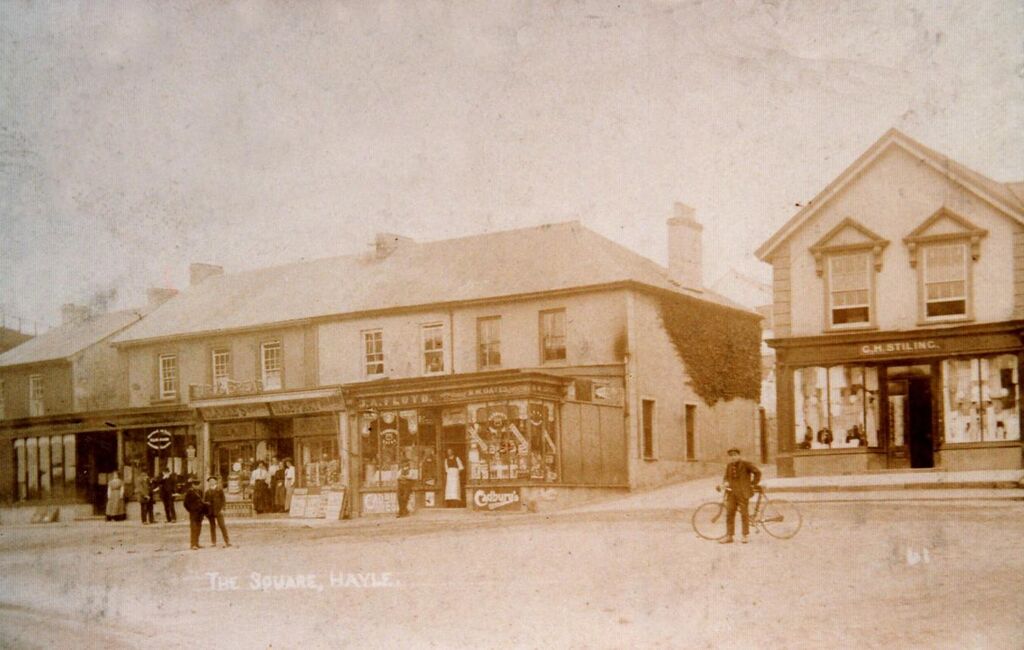
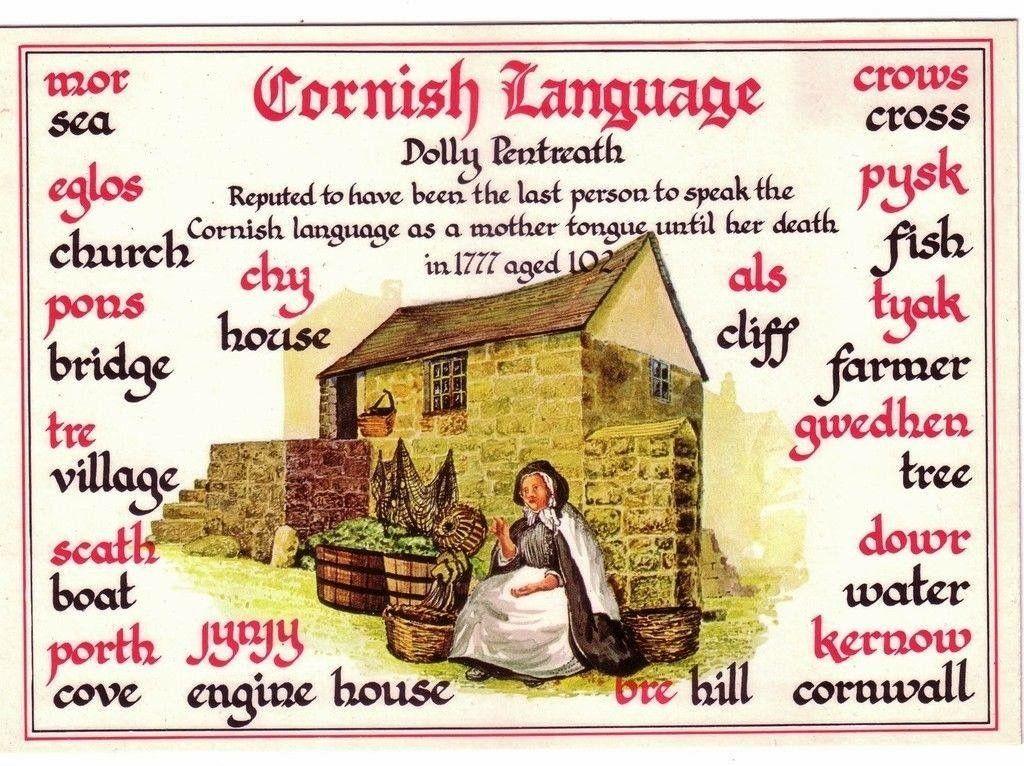
Every town has its own way of speaking, and Hayle is no exception. The voices of Hayle have been shaped by centuries of Cornish language, mining, fishing, industry and the arrival of workers from across Cornwall and beyond.
Although the traditional Cornish language (Kernewek) and the local English dialect have changed over time, many words and sayings were once common in Hayle homes, workshops and streets. Some are still heard today, especially among older generations and those keeping Cornish traditions alive.
“Dreckly”
The Most Famous Cornish Word
Perhaps the best-known Cornish expression is:
“Dreckly”
Meaning:
“At some point soon… when I get round to it… eventually.”
A classic Cornish answer to a question like:
“When will that job be finished?”
“Dreckly.”
It perfectly captures the relaxed, good-humoured character often associated with Cornwall.
“Ansome”
A Proper Hayle Compliment
“Ansomm” / “Ansum”
Meaning:
Handsome, excellent, fine or impressive.
A person might say:
“That’s an ansome boat.”
or
“Proper ansome weather today.”
It is still one of the most recognisable Cornish expressions.
“My ‘ansum”
A Friendly Greeting
A warm Cornish greeting:
“Alright, my ‘ansum?”
or
“Morning, my ‘ansum.”
It does not literally mean someone is handsome—it is a friendly term of affection, similar to “my friend” or “mate.”
“Giss on!”
Stop Teasing!
“Giss on!”
Meaning:
“Get away!” / “You’re joking!” / “Don’t be silly!”
Often said with a smile rather than anger.
Example:
“I saw a fish this big!”
“Giss on!”
“Proper Job”
A Phrase Known Worldwide
Originally a Cornish expression meaning:
A job done properly.
“That fence will last years—that’s a proper job.”
The phrase became famous beyond Cornwall but remains strongly connected with Cornish working traditions.
“Emmet”
The Outsider
“Emmet”
Meaning:
A tourist or visitor to Cornwall.
The word originally means ant in Cornish, referring to visitors moving around in large numbers like ants.
Traditionally it was sometimes used teasingly, although many Cornish people now use it affectionately.
“Dreckly Down Hayle Way”
Hayle’s dialect was also influenced by the town’s industrial past. The speech of workers from Harvey’s Foundry, Copperhouse, the harbour and the mines created a mixture of Cornish expressions and practical working language.
Older Hayle residents may remember phrases such as:
- “Up the road” – often meaning towards Foundry or Copperhouse depending on where you lived.
- “Down the quay” – a phrase that carried real meaning when the harbour was the centre of working life.
- “Over the Towans” – referring to the great dunes that shaped local life.
Cornish Words Still Seen Around Hayle
Many place names around Hayle preserve the ancient language:
Hayle / Heyl
From Cornish heyl, meaning:
estuary
Towans
Meaning:
sand dunes
Penpol
From Cornish elements meaning:
end/top of the pool
Gwithian
From the Cornish saint name connected with St Gothian
These names are reminders that the Cornish language never disappeared—it remains written into the landscape.
The Hayle Accent
The traditional Hayle accent was shaped by:
- Cornish miners.
- Harbour workers.
- Foundry craftsmen.
- Fishermen.
- Farmers from Phillack and Gwithian.
- Sailors arriving from other ports.
Certain words were shortened, vowels were changed, and expressions were passed from grandparents to grandchildren. Much of this speech was never written down—it lived through conversation.
Did you know?
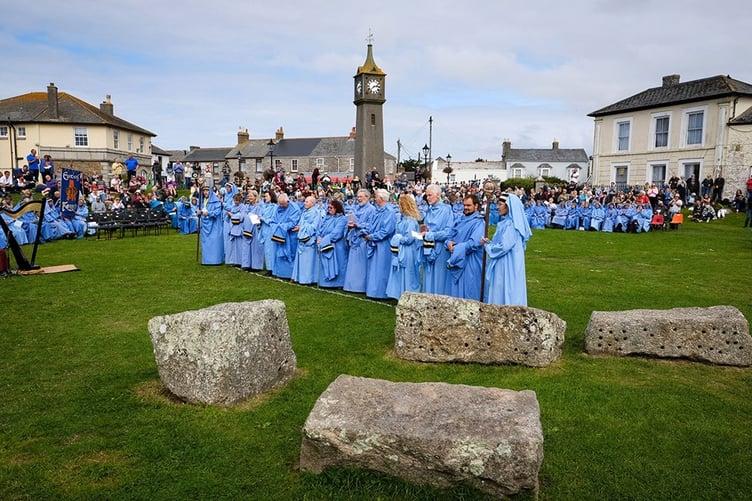
The Cornish language is officially recognised as a protected minority language, and there has been a major revival in recent decades. Organisations such as Gorsedh Kernow and local language groups continue to encourage people to learn and use Kernewek.
For a Hayle Pump feature, this could become a wonderful community project:
“How Do You Say It in Hayle?”
Invite readers to send in:
- Old Hayle sayings.
- Words their grandparents used.
- Nicknames for places.
- Expressions heard in local pubs, shops and workplaces.
The everyday language of Hayle is a piece of living heritage.