
Hayle’s Famous Residents
The People Who Put This Small Cornish Town on the Map
Hayle’s history is not only written in its harbour, foundries and railway—it is also written through the remarkable people who were born here, lived here or called this special corner of Cornwall home. From sporting heroes and artists to a man remembered around the world for his courage, Hayle has produced a surprising number of notable figures.
Rick Rescorla (1939–2001)
Hayle’s World Hero
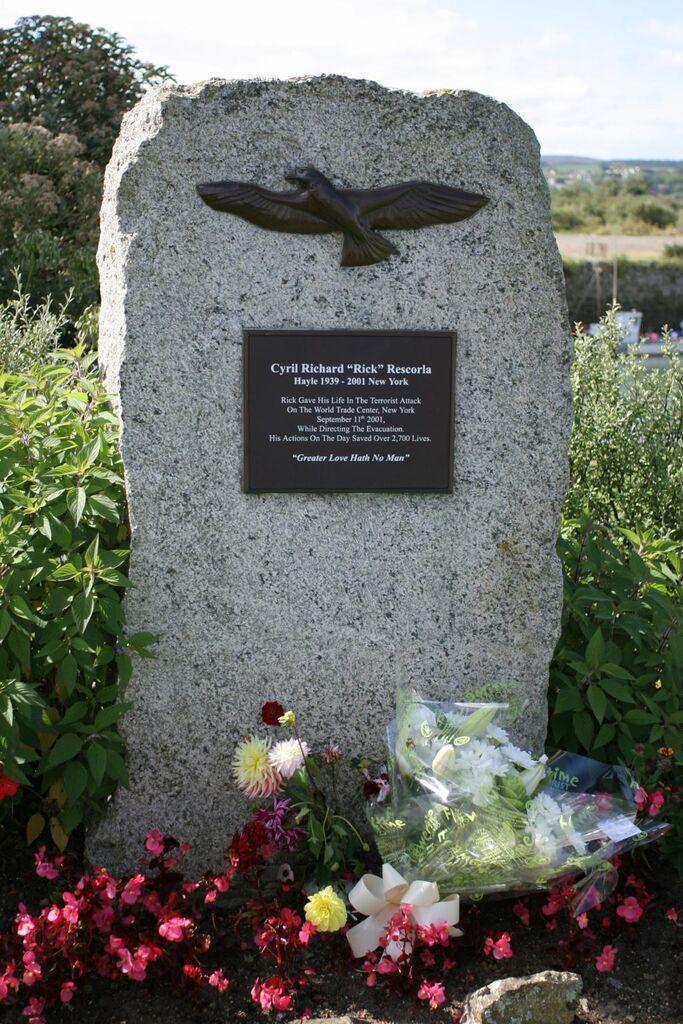
Perhaps no modern resident is more closely associated with Hayle than Cyril Richard “Rick” Rescorla.
Born in Hayle in 1939, Rick grew up watching American soldiers stationed in the town during the Second World War, an experience that inspired his lifelong connection with the military. He later served with the British Army, joined the United States Army and became a decorated soldier.
After leaving the military, Rick became head of security for Morgan Stanley at the World Trade Center. On 11 September 2001, when the Twin Towers were attacked, he ignored confusing instructions to stay put and led thousands of people to safety. He returned into the building to search for others and lost his life. His actions are credited with saving thousands of people.
Today, his memorial on Hayle’s waterfront ensures that his courage and his Cornish roots are never forgotten.
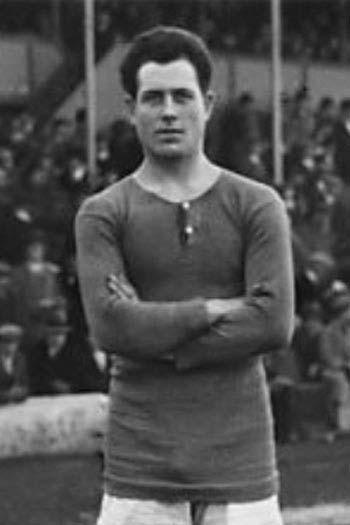
John Gilbert “Jack” Cock (1893–1966)
was one of England’s finest centre-forwards of the early twentieth century. He was renowned for his powerful shooting, physical presence, and prolific goalscoring, while also serving his country during the First World War.
Early life
Jack Cock was born on 14 November 1893 in Hayle, Cornwall. Like many Cornish footballers of his era, he developed his footballing ability while working locally before moving into the professional game.
Football career
Cock began his professional career with Huddersfield Town before establishing himself as one of the country’s leading strikers. He later played for:
- Brentford F.C.
- Chelsea F.C.
- Everton F.C.
- Millwall F.C.
His most successful spell came at Huddersfield Town, where his goals helped establish the club as a major force in English football. Across his career he scored well over 200 senior goals, making him one of the leading forwards of his generation.
International honours
Cock earned 11 caps for England national football team between 1920 and 1924, scoring 7 international goals. His powerful finishing made him a feared striker at both club and international level.
First World War
During the First World War, Cock served in the British Army. Like many professional footballers, his playing career was interrupted by military service, but he returned to football after the war and enjoyed his finest years during the 1920s.
Life after football
Following his retirement from playing, Cock remained involved in football through coaching and management. He also worked in other occupations before retiring.
He died on 19 April 1966, aged 72.
A Hayle sporting legend
Jack Cock remains one of Hayle’s greatest sporting exports. Although football has changed enormously since his era, he was among the first Cornish players to become an England international and is still regarded as one of the finest footballers ever produced by Cornwall.
Interesting facts
- ⚽ Born in Hayle, Cornwall.
- 🏴 Played 11 times for England, scoring 7 goals.
- ⚽ Scored over 200 goals during his professional career.
- 🎖️ Served in the British Army during the First World War.
- ⭐ One of the most successful footballers ever to come from Cornwall.
His achievements place him alongside other notable Cornish footballing greats, and he remains an important figure in both Hayle’s and Cornwall’s sporting history.
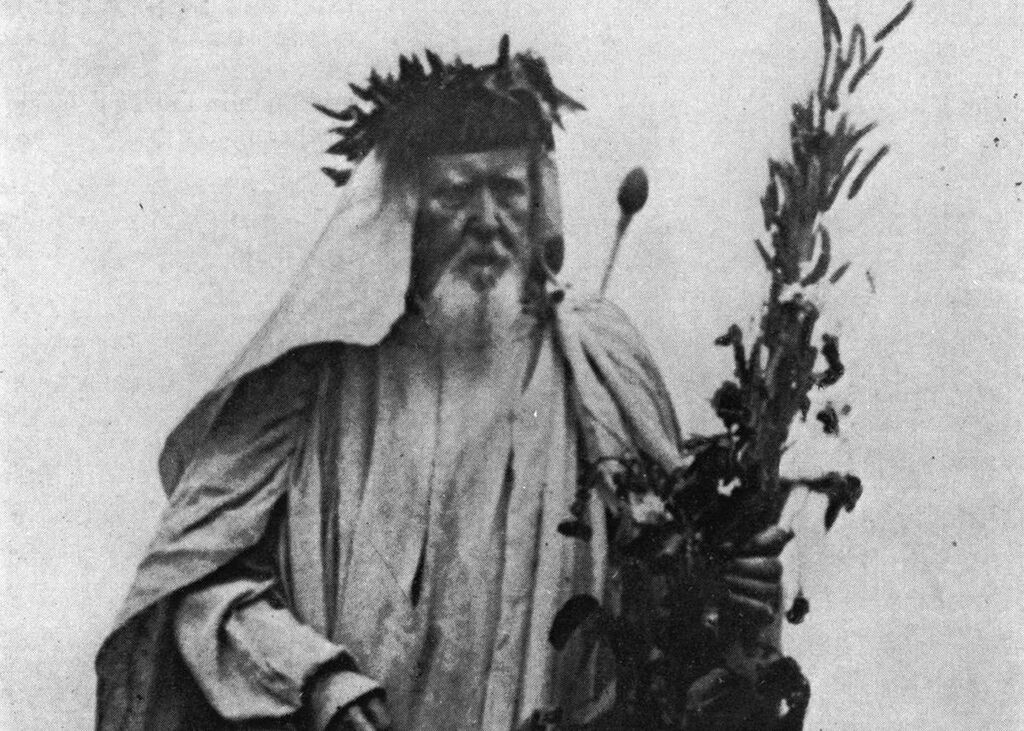
Henry Jenner (1848–1934)
The Man Who Helped Revive the Cornish Language
is widely regarded as the father of the modern Cornish language revival. Through his research, writing, and campaigning, he inspired renewed interest in Cornwall’s ancient language and culture at a time when many believed both had disappeared forever.
Early life
Henry Jenner was born on 8 August 1848 at St Columb Major, Cornwall. His father was a clergyman, and from an early age Jenner developed a fascination with Cornwall’s history, folklore, and the Celtic languages.
He was educated in Cornwall before moving to London, where he worked for many years at the British Museum as a librarian and scholar. His position gave him access to rare manuscripts and historical documents, allowing him to study the surviving evidence of the Cornish language in great detail.
Champion of the Cornish language
By the late nineteenth century, Cornish had ceased to be spoken as a community language, but Jenner believed it could be revived through education and public enthusiasm.
His most influential work was A Handbook of the Cornish Language (1904), which became the foundation of the modern Cornish revival. The book introduced many people to Cornish grammar, pronunciation, and vocabulary and inspired the first generation of twentieth-century Cornish speakers.
Jenner also collected traditional Cornish words, place names, songs, customs, and folklore, helping preserve much of Cornwall’s cultural heritage.
The Celtic revival
Jenner was a leading figure in the wider Celtic revival, working alongside scholars from Wales, Scotland, Ireland, and Brittany to promote the shared heritage of the Celtic nations.
In 1928 he played a central role in the founding of Gorsedh Kernow, modelled on the Welsh Gorsedd. The organisation celebrates Cornish language, music, literature, and the arts, and continues to honour people who have made outstanding contributions to Cornwall.
Legacy
Henry Jenner’s work laid the foundations for everything that followed in the revival of Cornish. Today:
- Thousands of people learn and speak Cornish.
- Cornish is taught in some schools and community classes.
- Road signs, public buildings, and official ceremonies often include Cornish alongside English.
- The language has received official recognition as part of Cornwall’s unique cultural identity.
Much of this progress can be traced back to Jenner’s determination that Cornwall’s language should live again.
Final years
Henry Jenner spent much of his later life in Cornwall, continuing to write and encourage the language revival. He died on 8 May 1934, aged 85, and is buried at the churchyard of St Uny’s Church.
Why Henry Jenner matters
Jenner’s greatest achievement was convincing people that the Cornish language was not simply a historical curiosity but a living part of Cornwall’s identity that deserved to be revived. His vision inspired generations of scholars, teachers, writers, and learners, ensuring that Cornish would once again be heard across the county.
At a glance
- 📚 Born: 8 August 1848, St Columb Major, Cornwall.
- 📖 Author of A Handbook of the Cornish Language (1904).
- 🏛️ Librarian and scholar at the British Museum.
- 🌿 Co-founder of Gorsedh Kernow in 1928.
- 🗣️ Known as the father of the modern Cornish language revival.
- ✝️ Died: 8 May 1934, aged 85.
Terry Frost (1915–2003)
was one of Britain’s most celebrated abstract artists and a leading figure in the St Ives School of painters. Although born far from Cornwall, he made the county his home and drew lasting inspiration from its dramatic light, landscape, and coastline.
Early life
Terry Frost was born on 13 October 1915 in Leamington Spa, Warwickshire. He left school at the age of 14 and worked in a variety of jobs before serving in the British Army during the Second World War.
Prisoner of War and discovering art
In 1941, Frost was captured during the fighting in Crete and spent four years as a prisoner of war in Germany.
While imprisoned, he met fellow prisoner and artist Adrian Heath, who encouraged him to draw and paint. Frost later said this experience changed the course of his life, giving him a purpose that remained with him for the rest of his career.
Cornwall and the St Ives School
After the war, Frost studied art and in 1946 moved to St Ives, where he joined a thriving community of modern artists.
He worked alongside internationally renowned painters including:
- Ben Nicholson
- Barbara Hepworth
- Patrick Heron
- Peter Lanyon
Inspired by Cornwall’s harbours, cliffs, sea, and changing light, Frost developed a distinctive abstract style using bold colours, sweeping curves, circles, and geometric forms. His paintings often conveyed the joy and movement he experienced in the Cornish landscape rather than depicting it literally.
An internationally recognised artist
During the 1950s and 1960s, Frost’s reputation grew rapidly. His work was exhibited throughout Britain, Europe, and North America, and he became one of the country’s leading abstract painters.
Alongside painting, he taught at several art schools, influencing a new generation of artists.
In 1998, he was awarded a knighthood for services to art, becoming Sir Terry Frost.
Style and inspiration
Frost believed colour could express emotion as powerfully as words or music. His work is characterised by:
- Bright, vibrant colours.
- Bold abstract shapes and arcs.
- Inspiration from Cornwall’s landscape and seascapes.
- A sense of rhythm, movement, and optimism.
His paintings remain instantly recognisable and continue to be exhibited around the world.
Legacy
Sir Terry Frost died on 1 September 2003, aged 87.
His work can be found in major public collections, including the Tate Britain and the Tate St Ives, where his paintings continue to inspire visitors.
Why Terry Frost matters to Cornwall
Although not Cornish by birth, Terry Frost became one of the artists most closely associated with Cornwall’s twentieth-century artistic renaissance. His joyful, colourful paintings captured the unique qualities of the county’s landscape and helped establish St Ives as one of the world’s leading centres for modern art.
At a glance
✝️ Died: 1 September 2003, aged 87.
🎨 Born: 13 October 1915, Leamington Spa.
🎖️ Served in the British Army and was a prisoner of war during the Second World War.
🖌️ Became a leading member of the St Ives School.
🌈 Famous for colourful abstract paintings inspired by Cornwall.
👑 Knighted in 1998 for services to art.
The Wider Hayle Story
Hayle has also been home to many talented people whose achievements may be less widely known:
- Engineers and inventors from Harvey’s Foundry, whose work transformed industries worldwide.
- Shipbuilders who created vessels that travelled across the oceans.
- Artists and craftspeople inspired by the landscape around the estuary and Towans.
- Community leaders, historians and volunteers who have preserved Hayle’s remarkable past.
Did you know? A small town with a population of only a few thousand people has produced an England football international, a world-renowned artist, a major figure in the Cornish language revival and one of the most recognised heroes of the 9/11 attacks. Hayle’s influence reaches much further than its size suggests.