
Hayle’s historic Mining Legacy
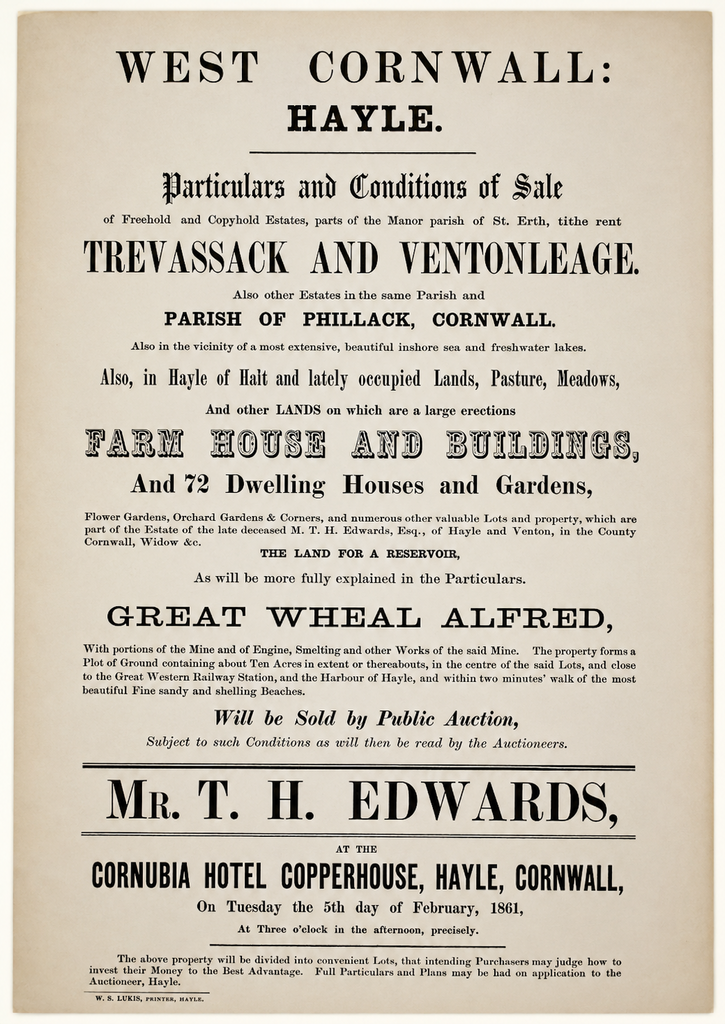
Hayle occupies a unique place in Cornwall’s mining history. Although there were a few mines close to the town, Hayle’s real importance was as the engineering, shipping and industrial centre that supplied hundreds of mines across Cornwall and eventually around the world.
Hayle: the industrial heart of Cornish mining
By the early 1800s, Hayle had become the world’s leading centre for mining engineering and steam engine manufacture. It was ideally placed because of its sheltered estuary, allowing coal to be imported from South Wales and heavy machinery to be exported worldwide.
Three major industries dominated the town:
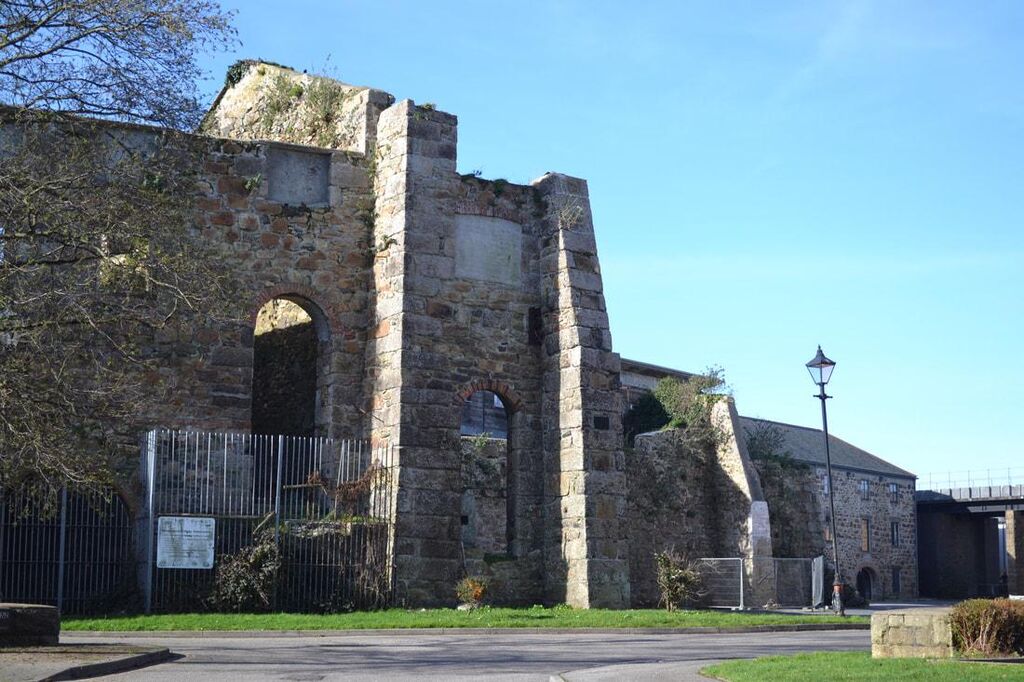
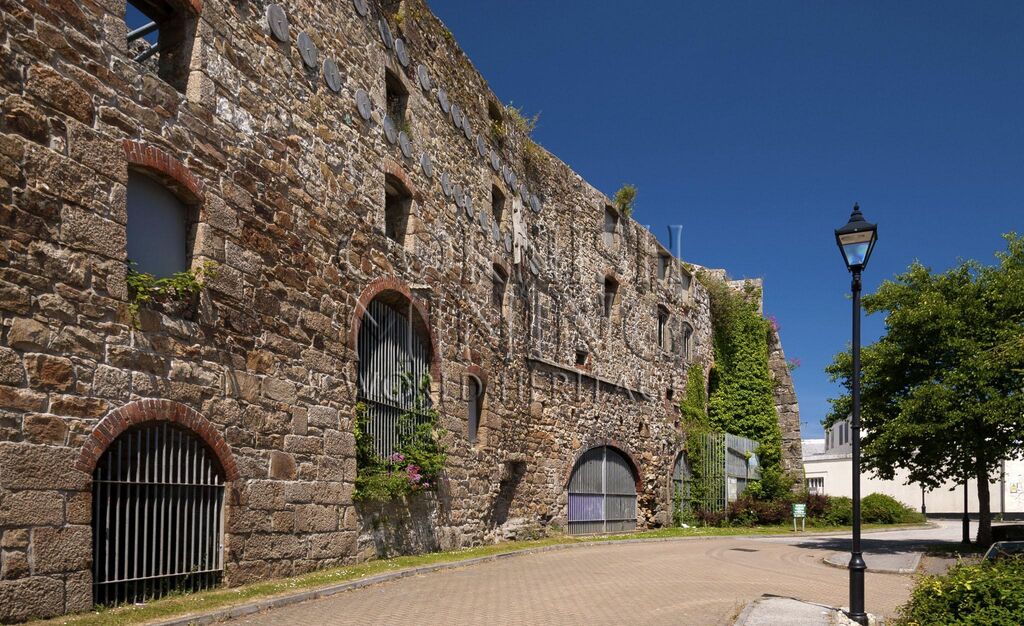
- Harvey’s Foundry (1779–1903) – the greatest Cornish engine works, producing massive beam engines for pumping water from deep mines. Engineers including Richard Trevithick and Arthur Woolf were closely associated with the foundry. Its engines were exported to Europe, Australia, South America and South Africa.
- Copperhouse Foundry (1820–1869) – established after the nearby copper smelter closed, it became one of Cornwall’s three great engine builders, competing fiercely with Harvey’s.
- Cornish Copper Company – moved its smelting operations to Hayle in 1758, making the town an important copper refining centre before concentrating more on engineering.
At their peak, Hayle’s foundries employed over 3,000 people, many of whom never worked underground but depended entirely on mining.
Mines around Hayle
While Hayle itself was not a major mining district, several significant mines lay within a few miles:
- Wheal Alfred (near Gwinear) – one of Cornwall’s richest copper and tin mines during the early 19th century.
- Wheal Vor (near Breage, about 8 miles south-east) – among the county’s richest tin producers and later a major copper mine.
- Wheal Providence (near Gwithian) – smaller workings producing tin.
- Numerous smaller stream-tin and shallow mines existed around Gwithian, Angarrack and Connor Downs.
These mines relied heavily on Hayle for engines, castings, repairs and shipping.
Mining the Towans
The dunes (Towans) west of Hayle were worked differently:
- Tin-bearing sands had been exploited since medieval times.
- During the late 19th and early 20th centuries, companies mechanically processed the black sands for cassiterite (tin oxide).
- Storms occasionally expose remains of the narrow-gauge railways, wagons and processing equipment used in these operations.
The Port of Hayle
Hayle’s harbour was just as important as its foundries. It handled:
- imported coal for steam engines,
- exported copper and tin ore,
- machinery for mines worldwide,
- timber and iron needed for mine construction.
For much of the early 19th century, Hayle was arguably the most important mining port in the world.
What survives today
You can still see much of this industrial landscape:
- Harvey’s Foundry buildings around Foundry Square.
- Parts of the Copperhouse industrial area.
- The harbour quays and tidal pools.
- Numerous workers’ cottages built for foundry employees.
- The Hayle Heritage Centre, which explains the town’s mining and engineering history.
Nearby mining sites worth visiting
If you’re interested in exploring beyond Hayle:
| Site | Distance | Why visit |
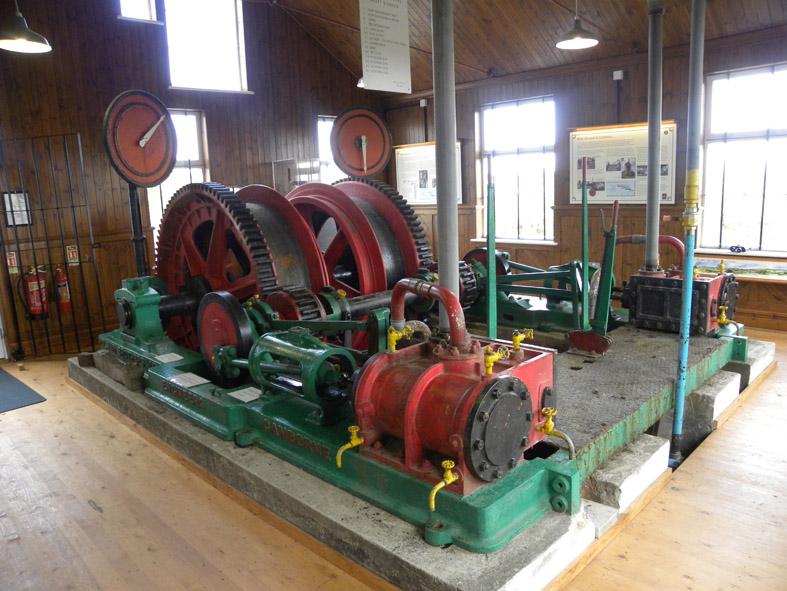
| King Edward Mine Museum | ~10 miles | Restored Victorian tin mine with working machinery |
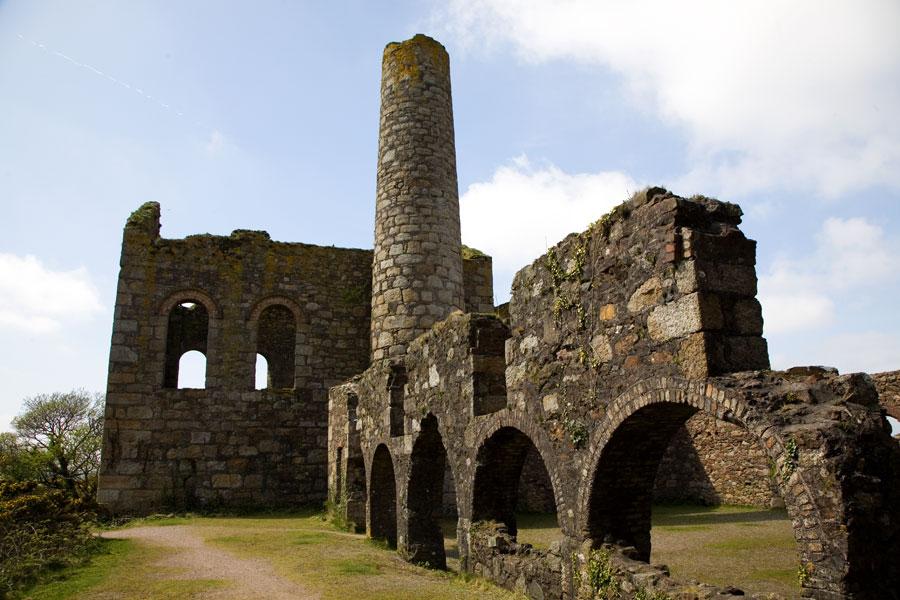
| East Pool Mine | ~12 miles | Preserved beam engines and engine houses |
| Geevor Tin Mine | ~18 miles | Underground tours and excellent museum |
| Wheal Coates | ~20 miles | Iconic cliff-top engine houses |
Hayle’s designation as part of the Cornwall and West Devon Mining Landscape World Heritage Site reflects that its greatest contribution was not the ore beneath its own ground, but the engines, foundries, harbour and engineering expertise that powered the global mining industry.
Estate ownership
During the 18th and 19th centuries much of the land formed part of larger local estates, particularly those connected with the St Aubyn family and other local landowners.
An archive held by Kresen Kernow records a lease dated 12 August 1875 for fields at Ventonleague. It describes about 2 acres and 19 poles (tithe plots 992–994) being let by trustees of Sir John St Aubyn’s estate to Ethan Ball, an innkeeper, for seven years at an annual rent of £5.
Industrial development
In the late 1700s and 1800s, the expansion of the Copperhouse works transformed the area:
- Mining and copper smelting companies acquired land around Trevassack.
- Housing was built for workers, especially at Ventonleague.
- By the 1830s, rows of miners’ cottages such as Ventonleague Row had been constructed as the settlement expanded.
Today
Although much has changed, both Trevassack and Ventonleague remain identifiable historic settlements. The historic assessments note that:
- Ventonleague retains several 18th- and early 19th-century cottages.
- Trevassack survives as a distinct settlement, although its old manor house was demolished in the 1990s.