
The History of Local Chapels
Faith, Industry and Community in Hayle
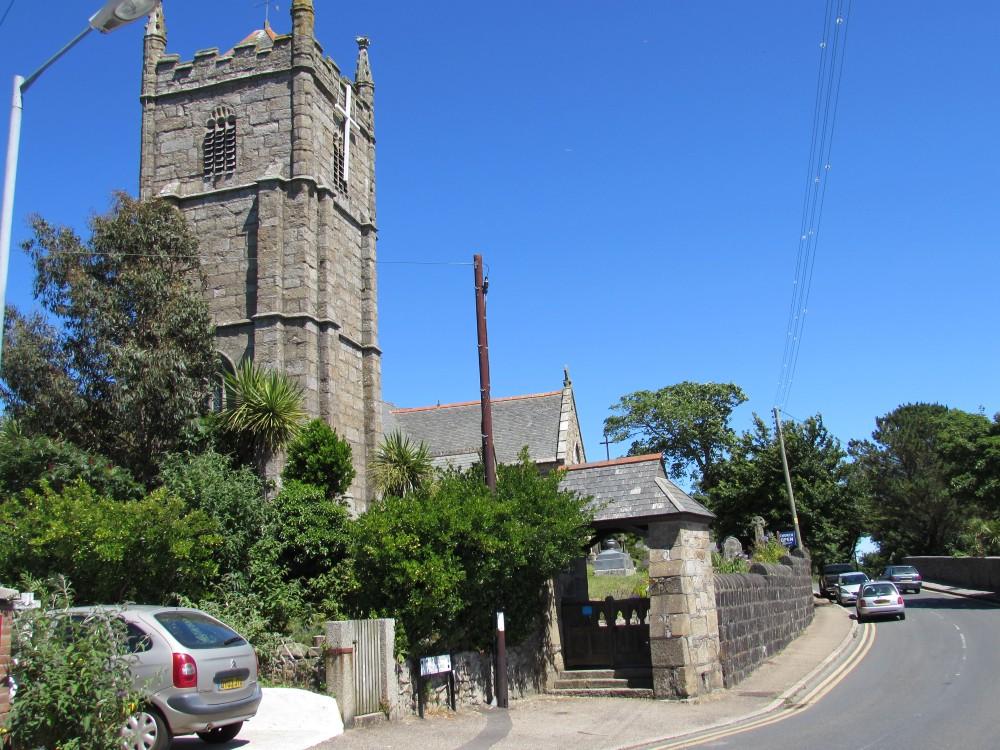
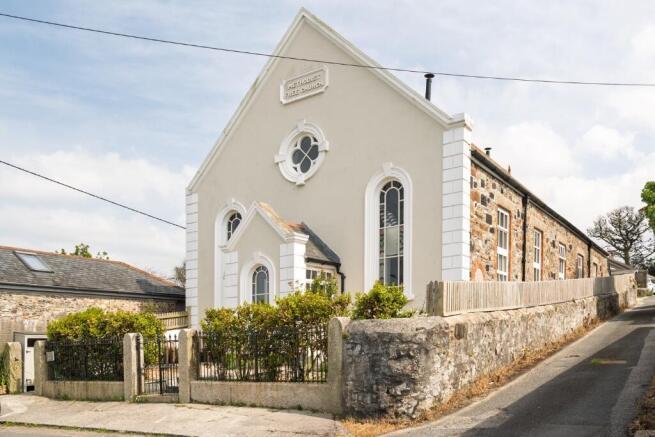
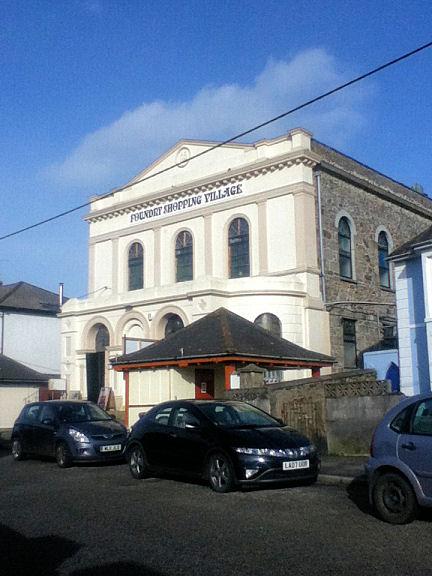
For generations, Hayle’s chapels have been far more than places of worship. They were centres of community life, education, music, charity and social gatherings. Their story is closely linked with the growth of Hayle itself, particularly the rise of the great industrial communities around Copperhouse and Foundry.
As Hayle expanded during the Industrial Revolution, thousands of workers arrived to work in the copper smelting works, shipyards and engineering foundries. Many of these workers and their families became part of the growing Methodist movement, which became one of the strongest influences on Cornish communities during the eighteenth and nineteenth centuries.
The First Wesley Meeting House – Copperhouse’s Unusual Chapel
One of Hayle’s most fascinating chapel stories begins in 1785 with the first Wesleyan meeting house at Copperhouse.
The chapel was built close to the Cornish Copper Company’s works and had a remarkable connection with local industry—it was constructed using scoria blocks, a waste material from copper smelting. The building was unusual enough to attract the attention of John Wesley, who preached there during his visits to Hayle.
Wesley famously commented on the unusual construction, noting that it was unlike any other chapel he had seen. Although the original round chapel was later demolished, some of its materials were reused in later buildings, leaving a physical link between Hayle’s industrial and religious history.
Copperhouse Wesleyan Chapel
As Copperhouse grew, so did its Methodist congregation. A larger Wesleyan chapel was opened in 1816, replacing the earlier meeting house. It became one of the most important religious buildings in eastern Hayle and reflected the wealth and confidence of the growing industrial community.
The chapel was not just a place for Sunday worship. It provided:
- Sunday schools for children.
- Meetings and lectures.
- Community support.
- A gathering place for workers and families.
The Sunday school movement was particularly important, giving many working-class children their first access to education.
Foundry Wesleyan Chapel
Across the estuary, the community around Harvey’s Foundry developed its own strong Methodist identity.
The Foundry Wesleyan Chapel was closely connected with the workers and families of Harvey’s engineering works. A later chapel built in Chapel Terrace became a major landmark, with links to the industrial families who shaped Hayle, including connections with the Harvey dynasty.
The rivalry between Copperhouse and Foundry was not only industrial—it extended into community life, with each side having its own institutions, traditions and pride. The chapels became an important part of these separate identities.
St John’s Chapel
Another important building in Hayle’s religious history is St John’s Chapel in St John’s Street.
Built during the nineteenth century, it later became associated with the town’s famous musical traditions and is now connected with the Hayle Town Band. Like many former chapels, its story reflects how these buildings have adapted as community needs have changed.
Chapels Beyond Hayle – Phillack and Gwithian
The wider Hayle area also has a rich religious heritage.
The ancient parish church of St Felicitas at Phillack has roots stretching back many centuries, long before the industrial growth of Hayle. It served the farming communities and settlements around the estuary before Hayle became a major industrial town.
Nearby Gwithian Wesleyan Chapel is another fascinating survivor. Dating from around 1810, it is a rare example of a traditional thatched Methodist chapel and is considered an important piece of Cornish nonconformist heritage.
The Social Side of Chapel Life
For many Hayle families, chapel life was at the centre of everything:
- Children attended Sunday school.
- Choirs and bands performed.
- Fundraising events brought neighbours together.
- Tea treats and processions became annual highlights.
- Chapels provided support during difficult times.
The famous Cornish tradition of Sunday school tea treats, where hundreds of children processed through towns before celebrations on the Towans, was a major part of nineteenth-century community life.
Did you know?
Hayle’s chapels tell the story of two worlds coming together: faith and industry. Some were literally built from the waste products of the factories that made Hayle famous—turning the remains of copper production into places where generations came together to worship, learn and socialise.