
The History of the Towans
Cornwall’s Ever-Changing Sea of Sand
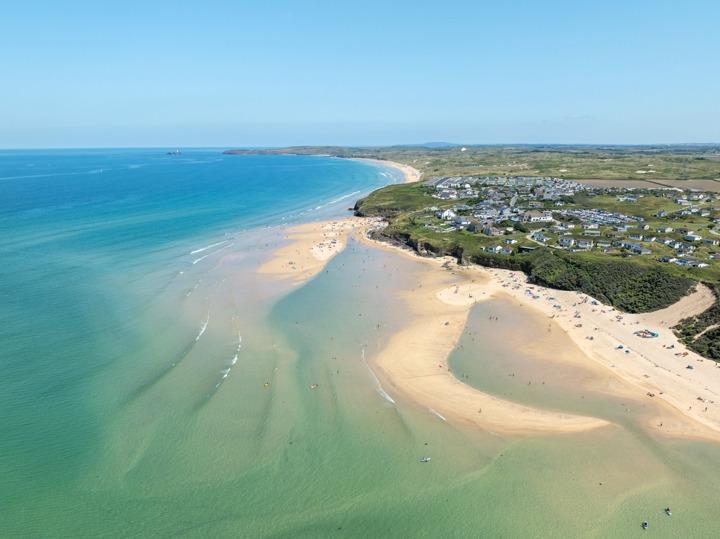
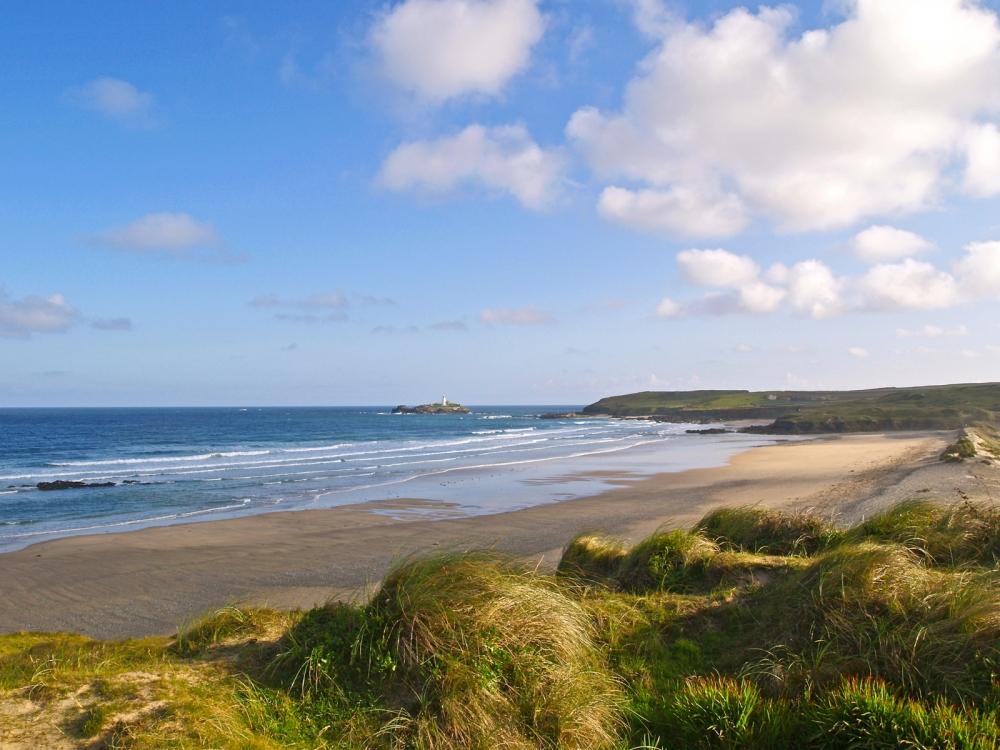
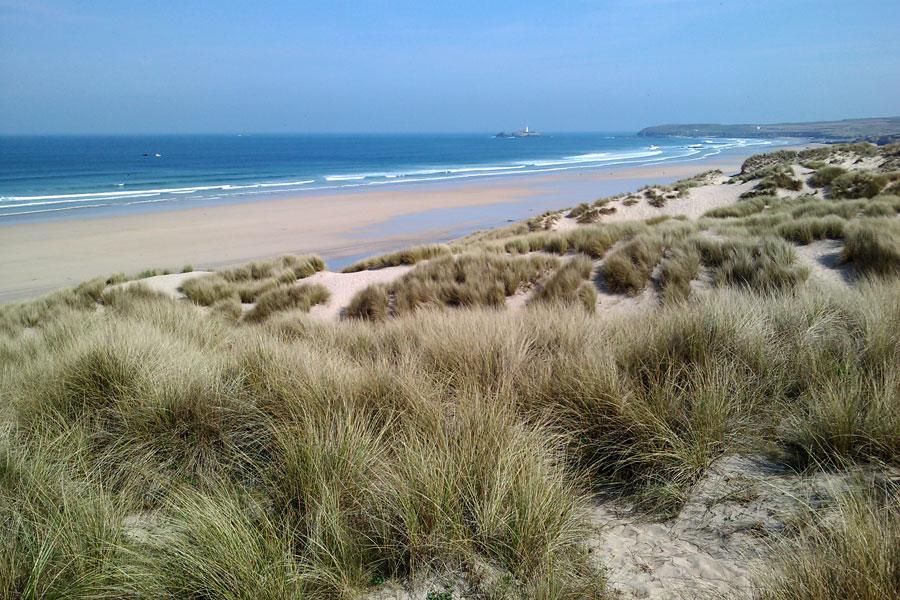
Stretching for three miles from the Hayle Estuary to Godrevy Head, The Towans are among Cornwall’s most spectacular landscapes. The word “Towan” comes from the Cornish language, meaning “sand dune”, and nowhere in Cornwall is the name more fitting. Today, these rolling dunes are loved by walkers, surfers and holidaymakers, but their story stretches back many centuries.
The Towans were created naturally over thousands of years as Atlantic winds blew vast quantities of sand inland from St Ives Bay. In places, the dunes rise to more than 70 metres (236 feet) above sea level, making them some of the highest coastal dunes in Britain. They continue to shift and evolve with every winter storm, reminding us that this is a living landscape rather than a static one.
For much of their history, however, the Towans were not the peaceful place we know today. During the Middle Ages and into the post-medieval period, drifting sand became a constant threat. Historical records tell of fields, roads and even homes being gradually swallowed as the dunes advanced inland. One of the most famous victims was Upton Barton, a farmhouse that is believed to have been buried overnight after the collapse of a huge sand dune sometime after 1650. The family escaped through an upstairs window, but the house disappeared beneath the sand and has never been rediscovered.
Despite these challenges, local people made good use of the dunes. Sheep and cattle grazed on the rough grassland, while rabbits were plentiful and provided an important source of food. During the nineteenth century, parts of the Towans were even enclosed and cultivated to provide work during times of hardship.
The industrial age brought dramatic changes. At Upton Towans, a large explosives factory was established to produce dynamite and cordite for Cornwall’s mining industry and later for the Royal Navy during the First World War. At its peak, around 1,800 people worked at the site. After production ceased in 1920, explosives continued to be stored there until the 1960s. Today, the former factory site has been reclaimed by nature and forms part of a protected wildlife reserve.
The Towans also played their part in Cornwall’s holiday boom. During the 1920s, families began pitching bell tents among the dunes, followed by simple wooden holiday huts. Over the decades these evolved into the distinctive beach chalets that have become an iconic feature of Riviere Towans and neighbouring areas. Many of today’s chalets have been enjoyed by the same families for four generations, creating a unique holiday community unlike anywhere else in Britain.
Today, the Towans are recognised as one of Cornwall’s most important natural habitats. Much of the area is designated a Site of Special Scientific Interest (SSSI) because of its rare dune grasslands, wildflowers and wildlife. Orchids, glow-worms, skylarks, silver-studded blue butterflies and even adders can all be found among the dunes. Their protected status has helped preserve the wild character that makes the Towans so special.
Did you know?
The Towans cover around 1,700 acres, making them one of the largest continuous dune systems in the United Kingdom. In 2024, they were named The Times and The Sunday Times Beach of the Year, praised for their unspoilt beauty, vast open spaces and stunning views across St Ives Bay.