
What Could You Buy for a Shilling in Hayle?
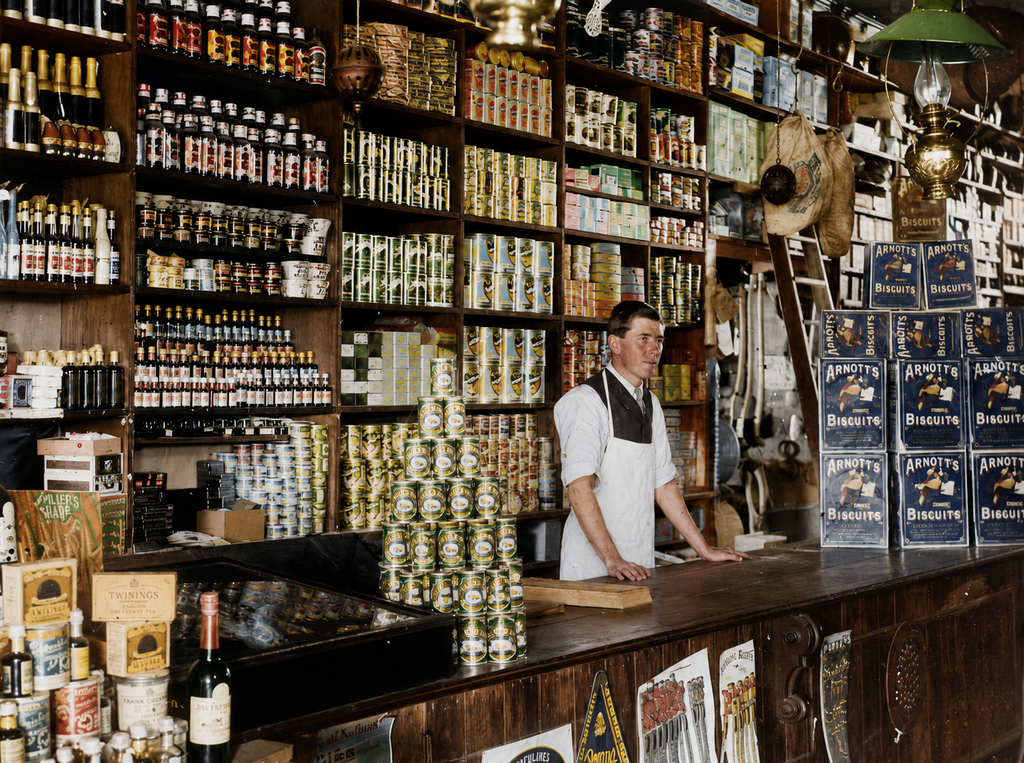
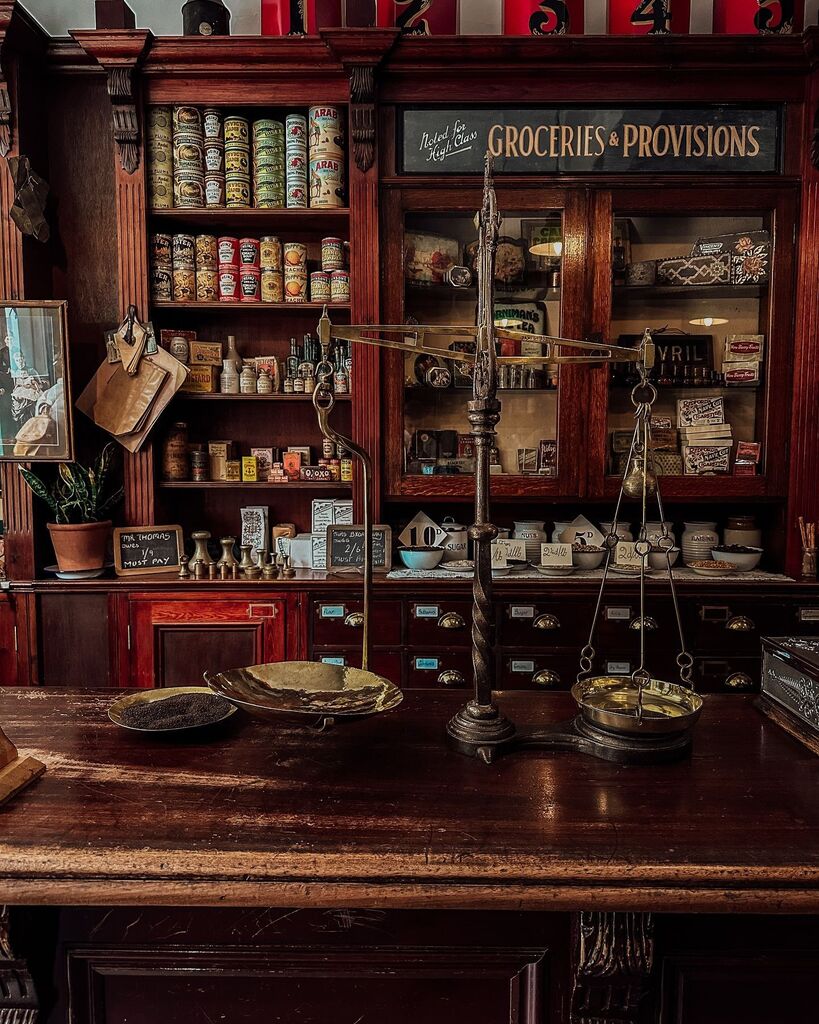
Reconstructing a Victorian shopping basket
A glimpse into the weekly shopping basket of the 1880s
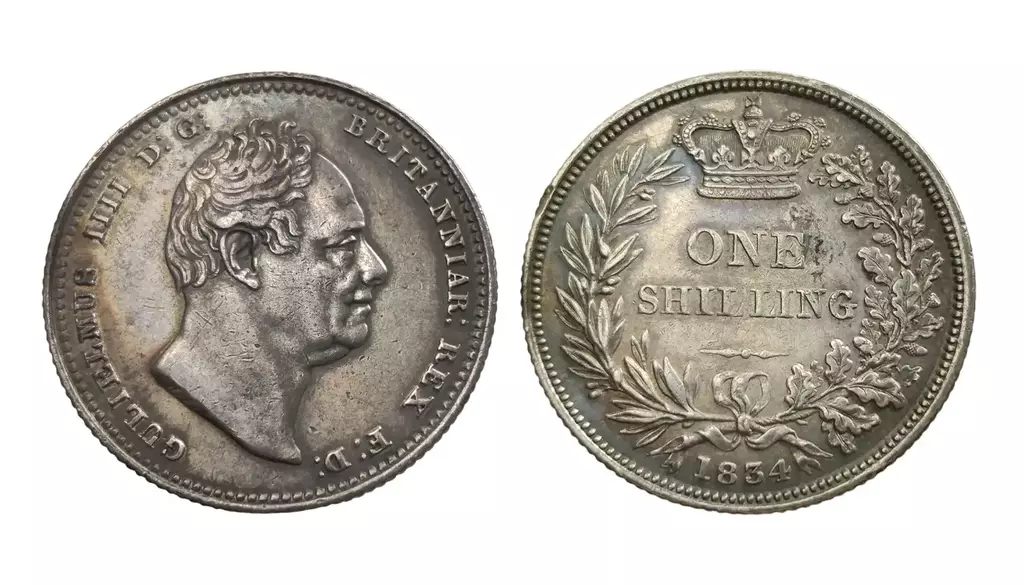
Imagine walking into Hayle in the 1880s with a single silver shilling in your pocket. Twelve old pennies might not sound like much today, but for a Victorian working family every penny mattered.
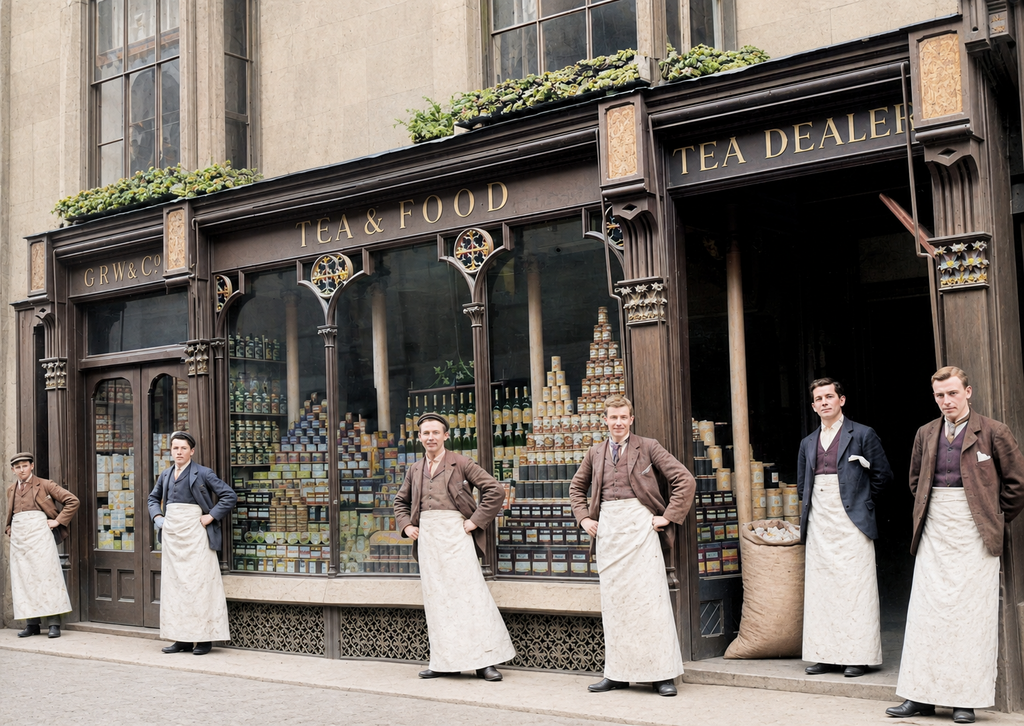
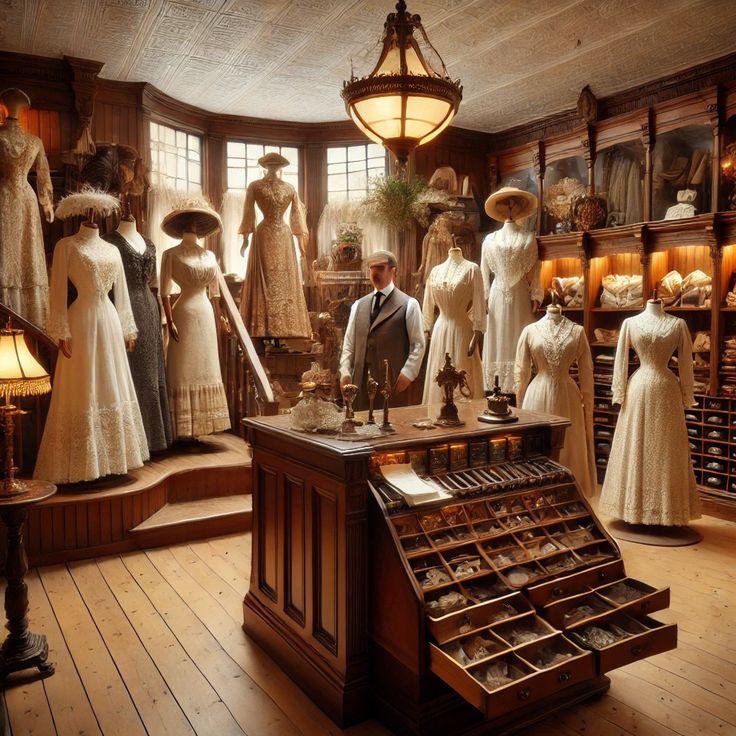
Hayle was a busy industrial town, and its streets contained a wide variety of shops and trades. The town’s trade directories from the nineteenth century list grocers, bakers, butchers, drapers, bootmakers, ironmongers and many other businesses. These were the shops upon which local families depended for their everyday needs.
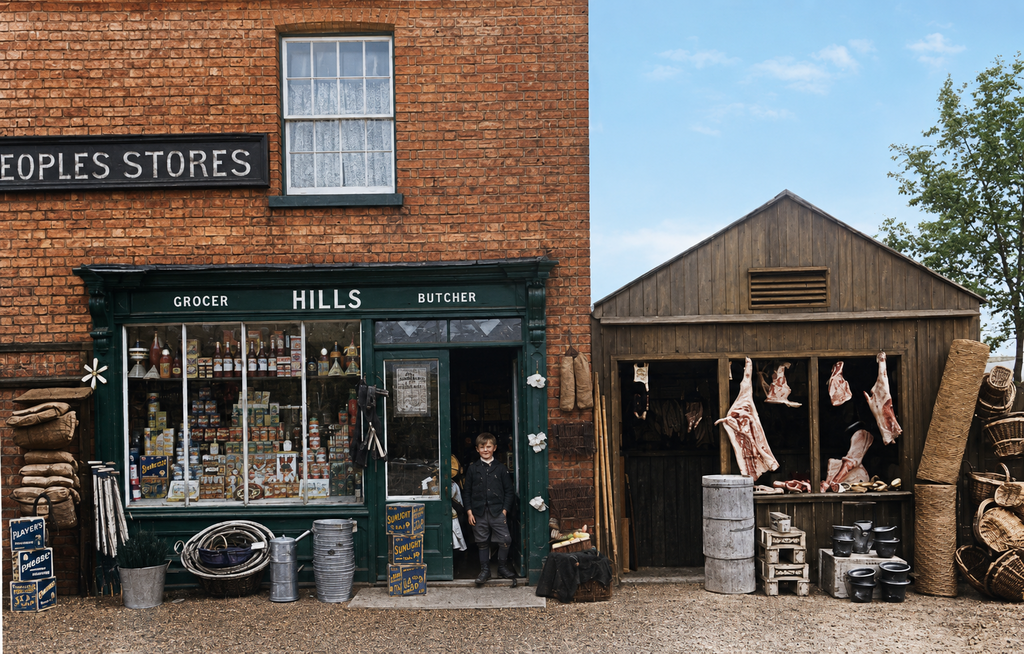
One of Hayle’s best-documented trades was the butcher’s. Robert Sampson was a well-known Hayle butcher during the period. Newspaper reports from the nineteenth century record his business and even describe some of the livestock he slaughtered. Another butcher, John Runnals, operated from Penpol Terrace, where the historic shopfront of his former premises survives today.
A shilling could therefore have represented a useful contribution towards the week’s meat. But meat was not necessarily an everyday purchase for poorer families. Bread, flour, potatoes and other basic foods were more important staples, with meat bought in smaller quantities when household finances allowed.
The grocer was another essential stop. Tea, sugar, flour, rice and other provisions were commonly sold by weight. Unlike today’s supermarket shopping, the customer could ask for a particular quantity — perhaps only a few ounces of tea or a small amount of sugar — depending upon what the family could afford.
Local fish was another possibility. Hayle’s harbour and estuary supported a fishing community, and fish provided an important source of food. The price varied considerably according to the type of fish, season and supply.
Then there was beer. Hayle had its own brewery, operated by Ellis & Son, whose brewery in Sea Lane expanded considerably during the nineteenth century. The brewery supplied public houses around the town and surrounding district. For some workers, a few pennies spent at the local pub were part of the social life of the working week.
But the shilling had to stretch beyond food. A household also needed candles or fuel, soap, matches and other everyday necessities. Clothing was a much larger expense. Boots, coats and other durable items were bought less frequently and repaired whenever possible.
Contemporary Cornish market reports give us an indication of nineteenth-century food prices. In one period report, beef was around 6d–9d per pound, mutton around 6d–8d, butter approximately 10d–1 shilling per pound, eggs around 10d–11d per dozen, and potatoes around 7d per stone. These are Cornish market prices rather than prices specifically advertised by a Hayle shop, but they give an idea of the purchasing power of the period.
That means our imaginary shilling would disappear surprisingly quickly. A pound of butter could consume almost the entire amount. A small purchase of meat might take several pennies, leaving the shopper to make careful decisions about what else the household could afford.
And that is perhaps the most important point about Victorian shopping. A shilling was not simply an old-fashioned equivalent of a modern coin. Its value depended upon wages, employment and the cost of living. For a family living on a weekly wage, twelve pennies represented real purchasing power — and real choices.
So, what might our Hayle shopper take home?
Perhaps some bread and flour from the baker or grocer, a small quantity of meat or fish, and a few basic household provisions. If there were pennies left over, perhaps a little tea, sugar or even a drink at the local pub.
The shops may have disappeared, prices have changed beyond recognition and the old pennies are long gone, but the basic purpose of shopping remains remarkably familiar: making the week’s money stretch as far as possible.
Next time you walk through Hayle’s old streets, remember that many of those buildings once contained the shops where Victorian families made exactly the same decisions.