
The Ropemakers of Hayle
The long ropewalk that supplied mines, ships and the industrial town
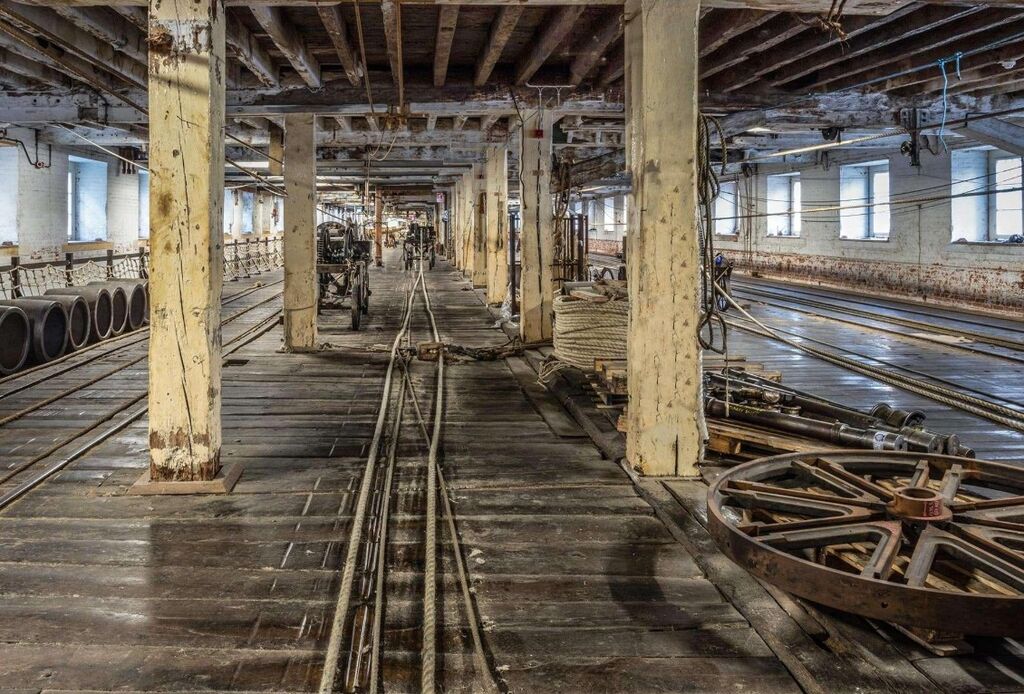
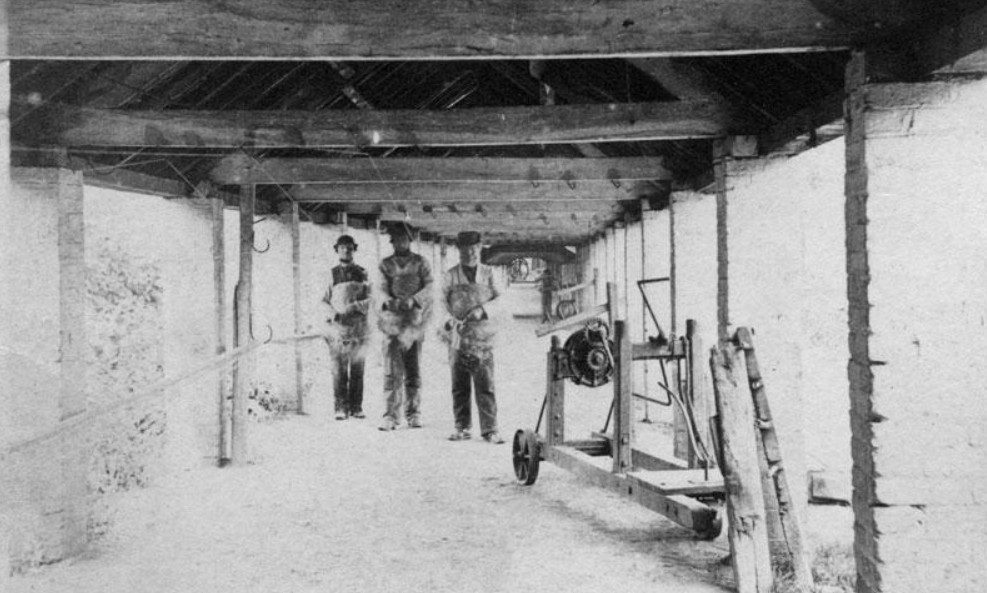
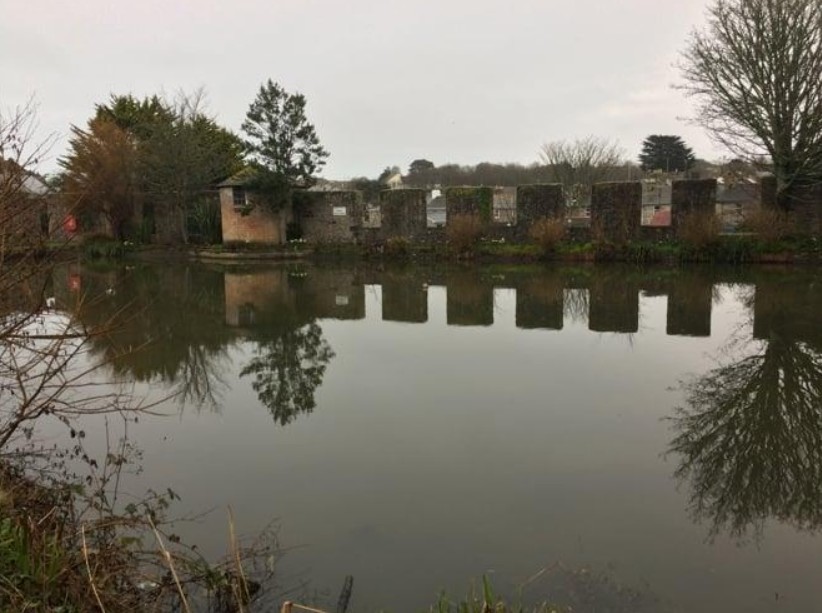

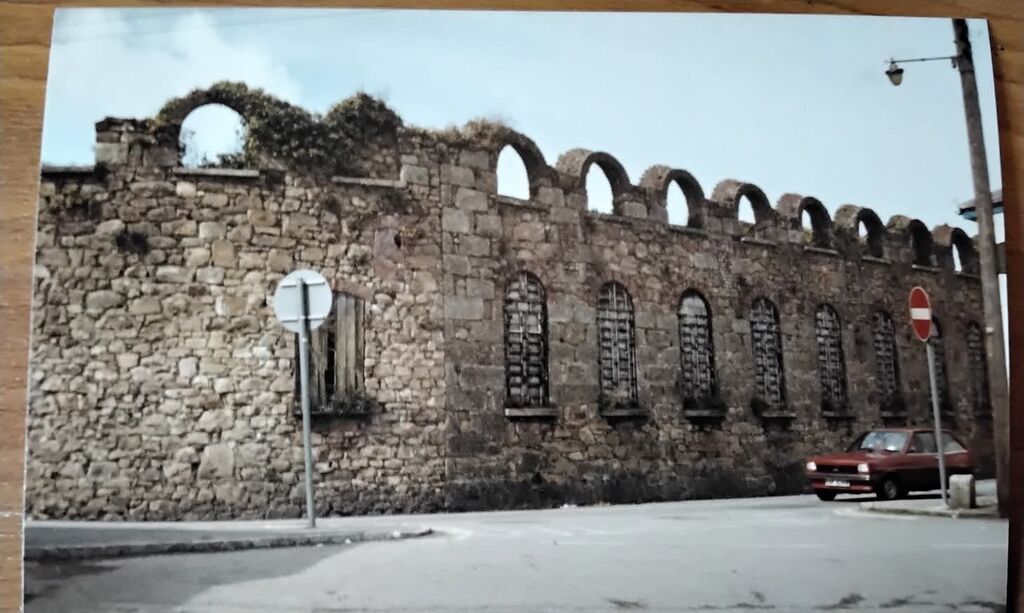
Long before synthetic fibres and factory-made plastic rope, making rope was a skilled and physically demanding craft. In Hayle, the trade became particularly important because of the town’s harbour, foundries, shipping and connection with Cornwall’s mining industry. The story goes back to the early years of Harvey’s Foundry. Historic England records that a ropeworks was established at the Foundry site in 1796, making it one of John Harvey’s earliest ventures beyond iron founding. Its products were used particularly in mines and for ships’ rigging and cordage. The location of the works is still identifiable today. The surviving remains lie immediately east of Millpond Avenue, at Foundry, Hayle, and form part of a nationally important scheduled monument. The site includes the remains of the ropeworks, mills, a store, reservoir and associated water-management system.
The Hayle ropewalk
The most impressive surviving feature is the old ropewalk. By the 1840s the ropewalk had reached approximately 210 metres in length. Around 158 metres survive today, although without their original roof. The long, narrow building provided the space needed to manufacture rope, with the fibres being twisted and laid together over a considerable distance. This was essential because making a long rope required room. Fibres were prepared and twisted into strands, and the strands were then twisted together to produce the finished rope. The process required considerable coordination and skill. The surviving structure even contains clues to how the work was carried out. Historic England records small sockets along the substantial western wall which are believed to have held spars used in stretching the rope. There were also pits associated with rope-spooling machinery.
Who used all this rope?
Hayle’s rope makers had a ready market. The town was one of Cornwall’s principal industrial ports, serving the surrounding mining districts. Harvey’s Foundry itself developed into a major engineering concern supplying machinery to mines around Cornwall and far beyond. Mines needed rope for lifting and hauling, while ships required rope for rigging, mooring and handling cargo. Hayle’s position therefore created demand from both land and sea. The ropeworks was consequently part of a much larger industrial network. Iron was produced at the foundry; machinery was built for mines; ships arrived at the harbour; merchants handled goods; and rope makers supplied another essential component of the system.
The people behind the rope
The census records allow us to put some names to this otherwise largely forgotten occupation. The 1881 census, for example, records John Caddy, aged 57, at Mount Pleasant and describes him as a rope maker. Another entry in the same census records Edgar T. Bone, aged 14, as a rope maker at Commercial Road. These records are especially valuable because they remind us that the ropeworks was not simply a collection of buildings. It employed local people whose livelihoods depended upon the trade. There is also evidence of rope-making families extending beyond the immediate workplace. A 1879 marriage record from Phillack identifies the bride’s father, William Penberthy, as a ropemaker. These scattered records offer tantalising glimpses of the workforce that once filled Hayle’s ropewalk.
The end of the ropeworks
The Hayle ropeworks continued for well over a century, finally closing in 1916. The reason was not simply that the craft had become old-fashioned. Its markets were changing. The collapse of Cornwall’s mining industry reduced demand, while wire rope increasingly replaced traditional hemp rope for maritime purposes. By the early twentieth century, the long ropewalk had therefore become increasingly difficult to sustain. Today its surviving walls are easy to overlook, but they represent an extraordinary piece of Hayle’s industrial history. A ropewalk more than 200 metres long once occupied this quiet corner of the town. Men and boys worked with natural fibres, twisting and laying them into ropes destined for mines and ships. The next time you walk beside Millpond Avenue, it is worth remembering that this was once a place of industry, noise and skilled manual work.
The walls may be quiet now, but they preserve the remains of a trade that helped connect Hayle’s foundries and harbour with the mines and ships of Cornwall and beyond.