
The Old Railway and Viaduct
How Brunel Changed Hayle Forever
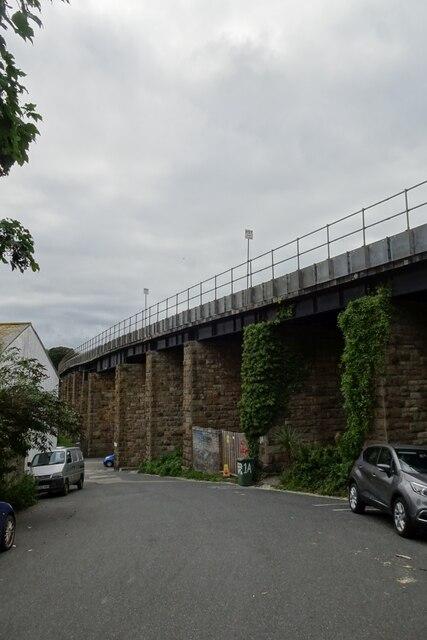
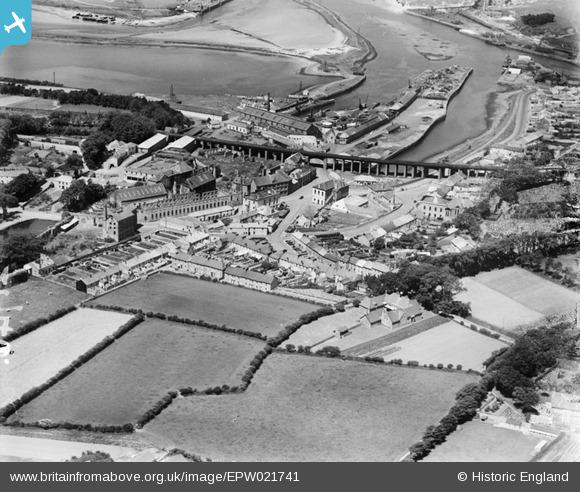
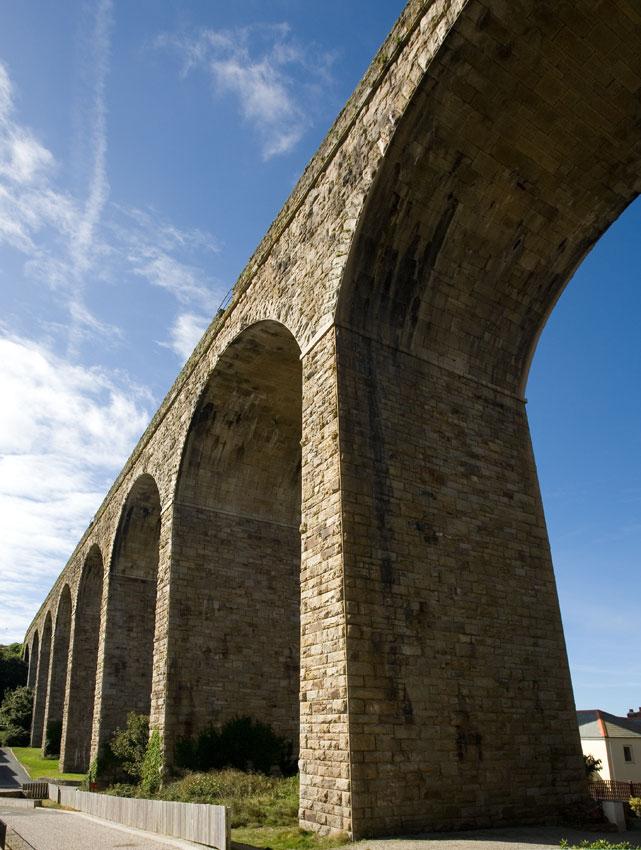
Today, thousands of passengers cross the Hayle Viaduct every week without giving it a second thought. Yet this magnificent structure tells the story of one of Cornwall’s earliest railways and the engineering vision of Isambard Kingdom Brunel.
The story begins in 1837, when the Hayle Railway opened between Hayle and Redruth. Built to transport copper ore, tin and coal between the mines and Hayle’s busy harbour, it was one of the earliest railways in Cornwall. The original line terminated in Foundry Square, where goods could be transferred directly onto ships waiting in the harbour. Steam locomotives hauled trains outside the town, but within Hayle horses were often used to move wagons because people feared sparks from the engines might start fires among the warehouses and timber buildings.
As mining expanded, the railway became increasingly important. In 1843, regular passenger services began, allowing local people to travel between Hayle and Redruth with far greater ease than ever before. But the route had one serious drawback. The steep Angarrack Incline was so severe that trains often had to be hauled by ropes, slowing journeys and limiting the size of trains.
Everything changed in 1852, when the West Cornwall Railway took over and commissioned Isambard Kingdom Brunel to design a completely new route linking Truro with Penzance. Rather than struggle with the old gradients, Brunel carried the railway high above the Penpol Valley on an impressive timber viaduct, soaring around 10 metres above Foundry Square. The new line transformed travel across West Cornwall and finally allowed trains to run directly towards Penzance.
Brunel’s original viaduct, however, was built almost entirely from timber. By the 1880s it had reached the end of its working life, and between 1883 and 1886 it was replaced with the handsome granite and brick structure that still stands today. Remarkably, the railway remained open throughout much of the rebuilding, with engineers carefully replacing the timber supports section by section.
One of the viaduct’s most unusual features can still be appreciated today. Because of the shape of the valley and the road layout, the road passes underneath the viaduct twice—a rare design that makes Hayle’s railway crossing unique in Britain.
The railway also transformed Hayle’s industries. Branch lines spread across the quays, connecting Harvey’s Foundry, the docks and engineering works. Steam engines, boilers, copper, coal and finished machinery could all be loaded directly onto ships or railway wagons, making Hayle one of Britain’s most efficient industrial ports. Horse-drawn wagons continued to shunt goods around the quays until 1963, long after steam locomotives had disappeared from the harbour.
More than 170 years after Brunel’s line opened, the viaduct remains one of Hayle’s best-loved landmarks. Every Great Western Railway service between London, Plymouth and Penzance still crosses it, offering passengers spectacular views over the harbour, estuary and Towans—much the same panorama that Victorian travellers enjoyed.
Did you know? The Hayle Railway, opened in 1837, was only the second railway in far south-west England to carry both goods and passengers. It helped establish Hayle as one of the most important industrial towns in Cornwall and paved the way for Brunel’s famous main line to Penzance.