
The Largest Beam Engine in the World
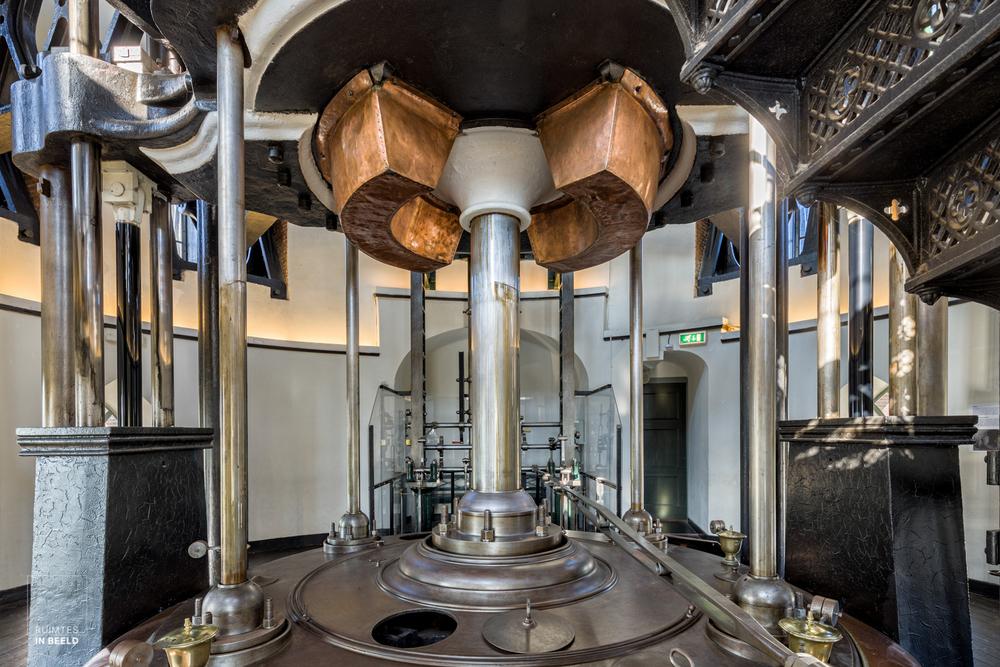
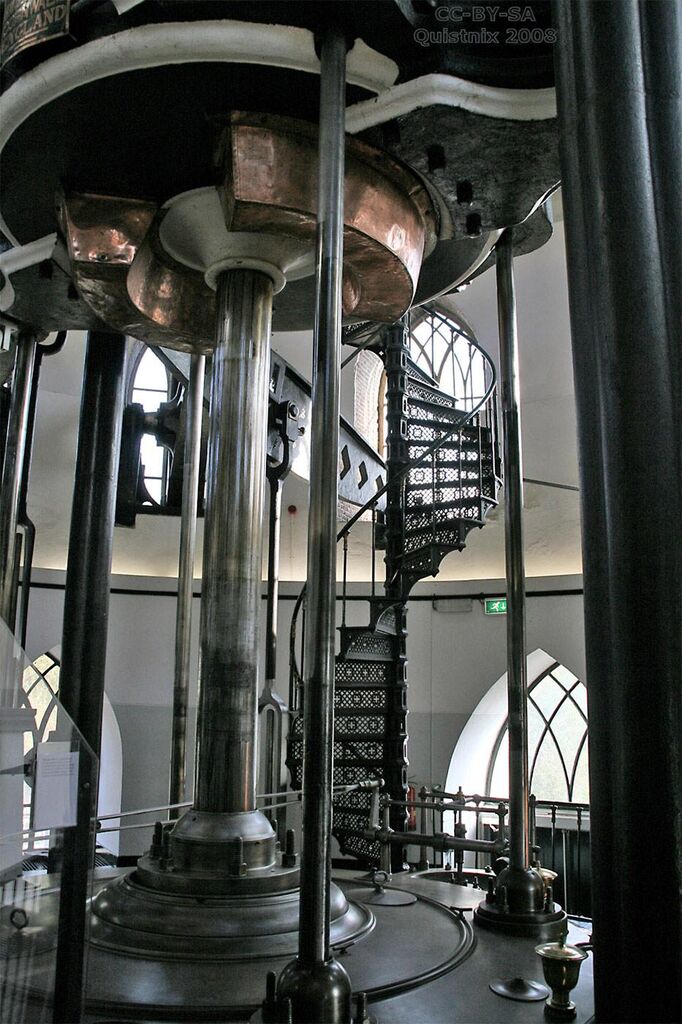
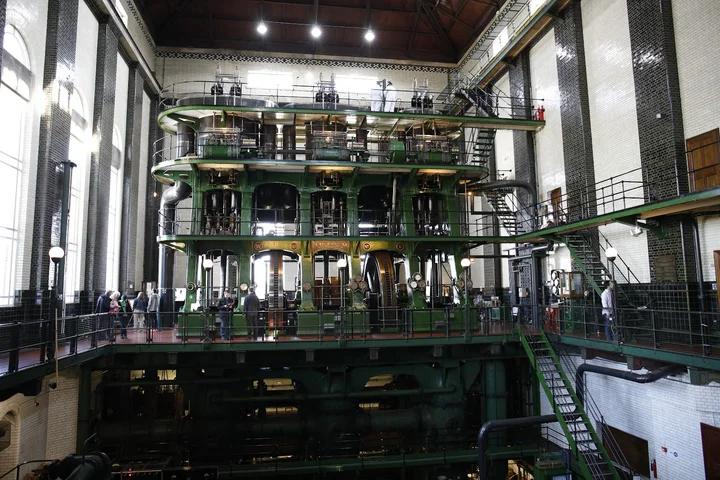
In the heart of the Netherlands stands one of the greatest monuments to Cornish engineering—and it was built in Hayle.
The magnificent Cruquius Beam Engine is widely recognised as the largest beam engine ever built, a remarkable achievement that demonstrates why Harvey’s Foundry became famous around the world. Cast and assembled at Harvey’s Foundry in the early 1840s, the engine was one of the company’s most ambitious engineering projects and remains one of Hayle’s proudest industrial legacies.
The story begins with a huge challenge. During the nineteenth century, much of the Haarlemmermeer in the Netherlands was covered by a vast inland lake that threatened nearby towns and farmland. For centuries, storms had enlarged the lake until it became known as the “Water Wolf”, swallowing villages and endangering cities, including Amsterdam and Leiden.
The Dutch government decided that the only solution was to drain the lake completely. It was an enormous undertaking that required some of the most powerful pumping engines ever constructed. After examining the best engineering firms in Europe, they turned to Harvey & Co. of Hayle, whose reputation for building reliable Cornish beam engines was second to none.
Harvey’s built two of the three giant pumping engines used in the project, including the mighty Cruquius. Installed in a purpose-built pumping station, the engine was powered by steam and operated eight huge beams connected to pumps capable of lifting vast quantities of water with every stroke. Its low-pressure cylinder measured an astonishing 144 inches (12 feet or 3.66 metres) in diameter, making it the largest cylinder ever fitted to a Cornish beam engine.
When the pumping stations began operating in 1849, they worked day and night. Within just a few years, more than 800 million tonnes of water had been removed, transforming the lake bed into fertile farmland that remains in use today. What had once been open water became thriving communities, roads and agricultural land—all made possible by engineering that began in Hayle.
The Cruquius engine continued working until 1933, after which it was preserved rather than scrapped. Today it forms the centrepiece of the Museum De Cruquius, where visitors from around the world can admire the scale and craftsmanship of this extraordinary machine. It stands as a lasting tribute to the engineers, pattern makers, moulders and iron founders of Harvey’s Foundry.
For the people of Hayle, the Cruquius is far more than an old steam engine. It is proof that a small Cornish town once produced machinery that solved engineering problems on an international scale. Few communities can point to a single machine that changed the landscape of another country—but Hayle can.
The next time someone asks what Harvey’s Foundry achieved, you can tell them this: the largest beam engine in the world still stands today, more than 400 miles from Cornwall, proudly carrying the name of Hayle across history.
Did You Know?
- Harvey’s Foundry built the Cruquius Engine in the early 1840s.
- It is recognised as the largest surviving beam engine ever built.
- The engine helped drain the Haarlemmermeer, reclaiming thousands of hectares of land from the sea.
The Cruquius survives today as a museum, showcasing the extrao