
Memories of the Hayle Power Station
The Giant on the Estuary That Lit Cornwall’s Future
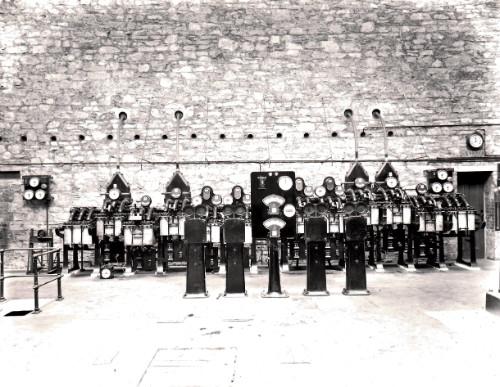
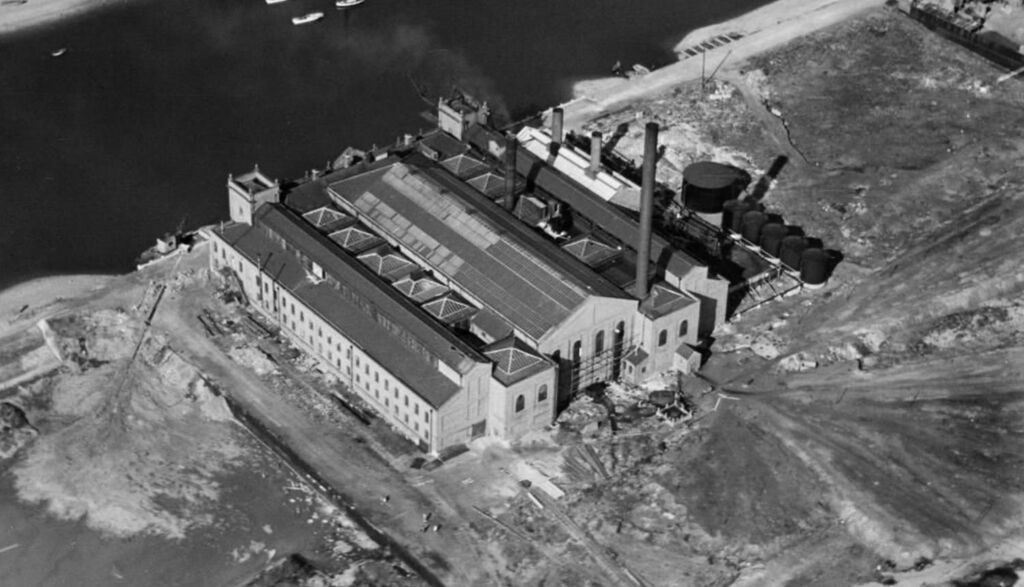
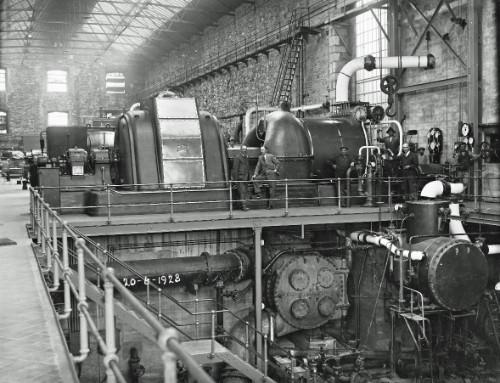
For more than half a century, the Hayle Power Station was one of the most recognisable landmarks on the Cornish coast. Standing beside the estuary, its tall chimney became part of the Hayle skyline and a familiar sight to generations of local people returning home by road, rail or sea.
Although the chimney has now gone, memories of the power station remain strong among those who worked there, lived nearby or simply remember seeing it dominate the landscape.
A New Age of Electricity
The first Hayle Power Station opened in 1910, built on the site of Hayle’s long industrial tradition. It was created to generate electricity for local industries and homes at a time when electricity was still a relatively new technology.
The station was ideally placed beside the harbour because it could receive coal deliveries by sea. Ships brought fuel directly into Hayle, continuing the town’s centuries-old connection between industry and the estuary.
At a time when many rural areas were still without electricity, Hayle was already looking towards the future.
Powering Industry
The power station helped support the businesses that made Hayle famous:
- Engineering works.
- Foundries.
- Harbour activities.
- Local manufacturers.
- New electrical industries.
It provided a reliable source of energy for a town that had already been a centre of innovation for more than a century.
Hayle’s industrial story had moved from steam power to electric power.
The Tall Chimney
For many years, the power station chimney was one of Hayle’s most distinctive landmarks.
To local people, it was more than just an industrial structure. It was:
- A navigation point for sailors.
- A sign that you were nearly home.
- A backdrop to childhood memories.
- Part of the view across the Towans and estuary.
Many people still remember seeing the chimney rising above the town on their journey back to Hayle.
The People Who Worked There
Like Harvey’s Foundry before it, the power station became part of the fabric of local life.
Generations of Hayle families worked there as:
- Engineers.
- Fitters.
- Electricians.
- Boiler operators.
- Maintenance staff.
- Administration workers.
The station provided skilled employment and became another place where local knowledge and expertise were passed from one generation to the next.
Former workers often remember the strong sense of teamwork—the same pride found in Hayle’s earlier industrial workplaces.
The War Years
During the Second World War, the power station played an important role in supporting local production. Hayle was involved in manufacturing and engineering work connected with the war effort, and a dependable electricity supply was essential.
The station also formed part of a strategically important industrial landscape that included the harbour, railway, factories and coastal defences.
The End of an Era
After decades of service, the power station finally closed in 1977. The changing nature of electricity generation meant that smaller local stations could no longer compete with larger modern power plants.
The demolition of the chimney in 1992 marked the end of an era. For many residents it was an emotional moment—the removal of a landmark that had been part of Hayle’s identity for generations.
What Remains Today?
Although the buildings and chimney have disappeared, the story of the power station remains part of Hayle’s industrial heritage.
The site reminds us of the many stages of Hayle’s working history:
Ships and sail → Steam engines → Electricity → Modern industry
It was another chapter in a remarkable story of a small town repeatedly adapting to a changing world.
Did you know?
The Hayle Power Station chimney stood at around 300 feet tall and was once visible for miles across West Cornwall. For many residents, spotting the chimney meant one thing:
“Nearly home — Hayle is just around the corner.”
“Did you work at Hayle Power Station? Do you have photographs, stories or memories of the chimney and the people who kept it running? We would love to hear from you.”