
Hayle & Richard Trevithick
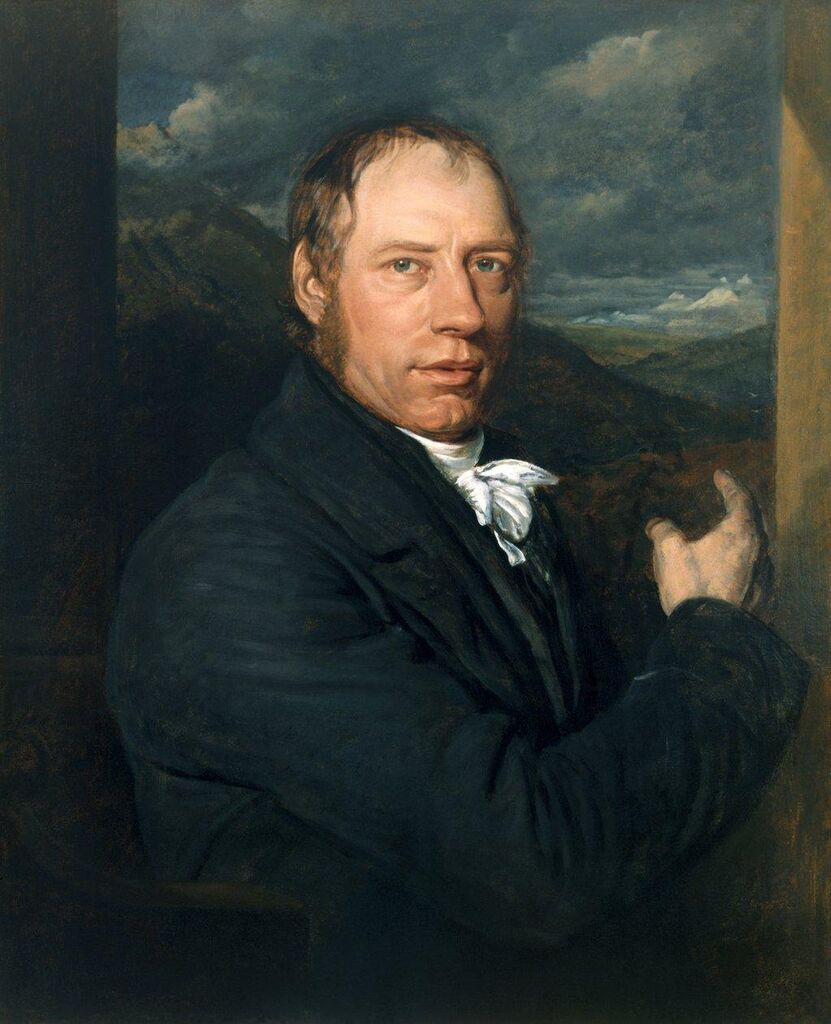
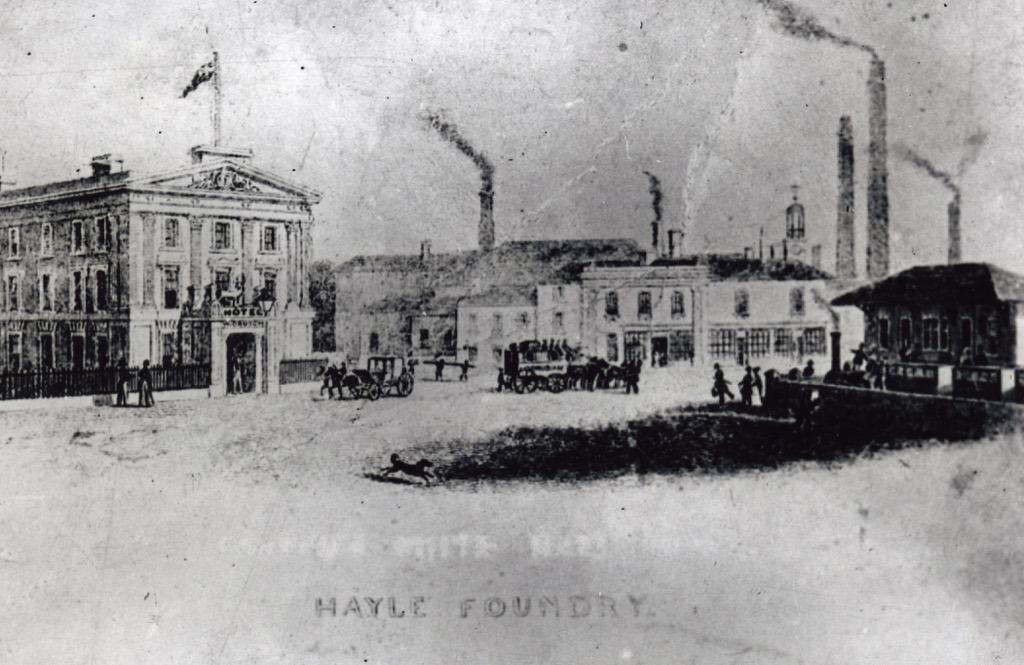

When people think of Richard Trevithick, they usually think of steam engines, mining and the world’s first steam railway locomotive. Few realise, however, that one of Cornwall’s greatest inventors had a strong family connection with Hayle, linking him forever with the town’s remarkable engineering heritage.
Born at Illogan in 1771, just a few miles from Hayle, Trevithick grew up surrounded by Cornwall’s thriving mining industry. Gifted with an extraordinary mechanical mind, he revolutionised steam power by developing the high-pressure steam engine. His inventions transformed mining, industry and transport, paving the way for the railway age.
His connection with Hayle came through marriage. In 1797, Trevithick married Jane Harvey, the daughter of John Harvey and sister of Henry Harvey, whose family had founded Harvey’s Foundry. The marriage united two of Cornwall’s most influential engineering families.
Although Trevithick and the Harvey family sometimes disagreed over engineering approaches—Harvey’s Foundry generally preferred the established low-pressure engines, while Trevithick championed high-pressure steam—the family connection remained significant. Together, they helped shape Cornwall’s reputation as the world’s leading centre for mining technology during the Industrial Revolution.
Jane Trevithick played an important role in supporting her husband through years of financial uncertainty. Richard was a brilliant inventor but rarely a successful businessman, often moving from one ambitious project to another. During one of his long absences in South America, where he worked on mining ventures in Peru and Costa Rica, Jane was supported by her Harvey family connections in Hayle.
One lasting reminder of that connection is the White Hart Hotel in Foundry Square. Built by Henry Harvey in the 1820s, it is closely associated with the Harvey family and with Jane Trevithick’s later life. The hotel became an important landmark in the developing town and remains one of Hayle’s most recognisable historic buildings.
Trevithick’s engineering achievements are legendary. In 1801 he built the Puffing Devil, one of the world’s first steam-powered road vehicles. Three years later, in 1804, he built the first steam locomotive to run successfully on rails, carrying iron and passengers in South Wales. His high-pressure engines were smaller, lighter and far more powerful than earlier designs, influencing engineers across Britain and beyond.
Although Trevithick died in relative poverty in 1833, his ideas transformed the world. Modern railways, steamships and countless industrial machines owe something to his pioneering work. Today he is rightly remembered as one of Britain’s greatest inventors.
Hayle shares in that remarkable legacy. Through his marriage to Jane Harvey, Trevithick became part of the family whose foundry exported Cornish engineering around the globe. It is a reminder that Hayle was more than just an industrial town—it was at the heart of a network of inventors, engineers and entrepreneurs whose ideas changed the world.
The next time you walk through Foundry Square or pass the White Hart, remember that these streets were once home to one of the most important engineering families in Britain. Through the Harvey family, Hayle can proudly claim a place in the story of Richard Trevithick—the Cornish genius whose inventions helped launch the age of steam.