
Lost Shops and Businesses of Hayle
Remembering the High Street That Once Was
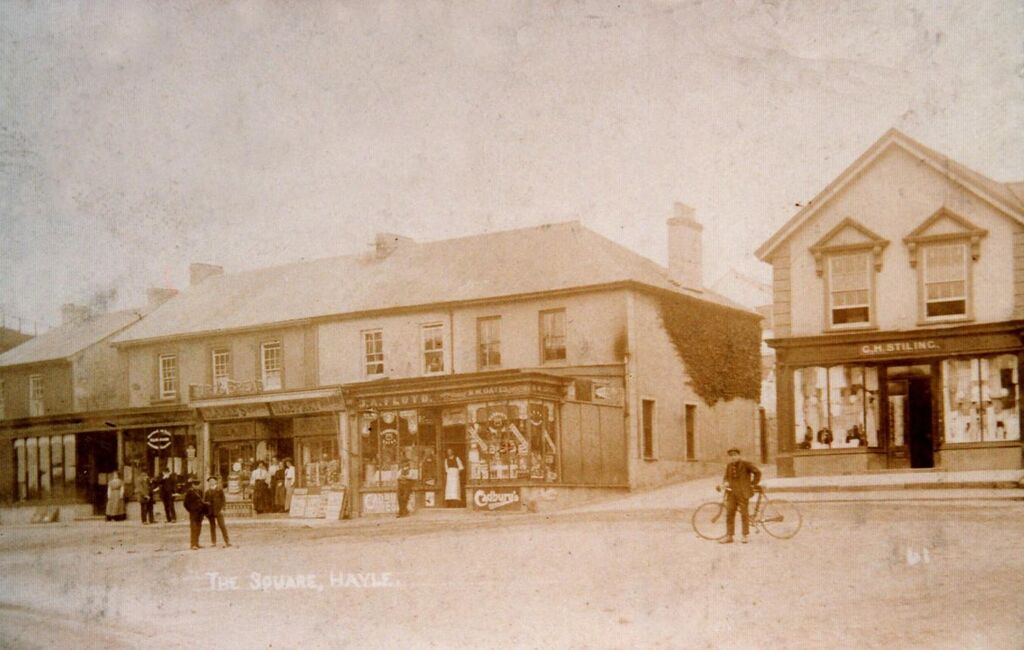
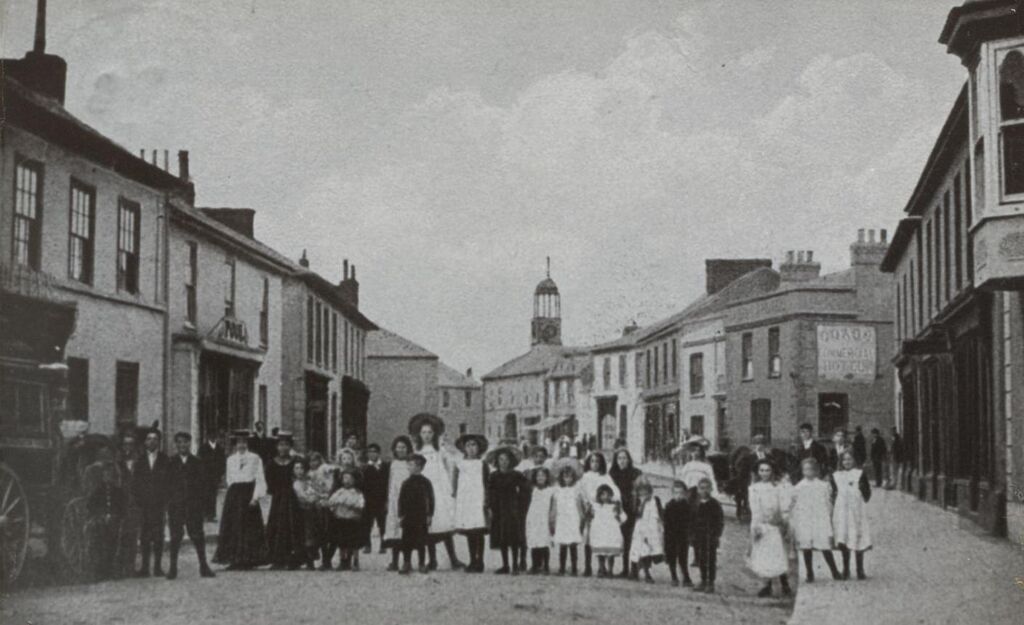
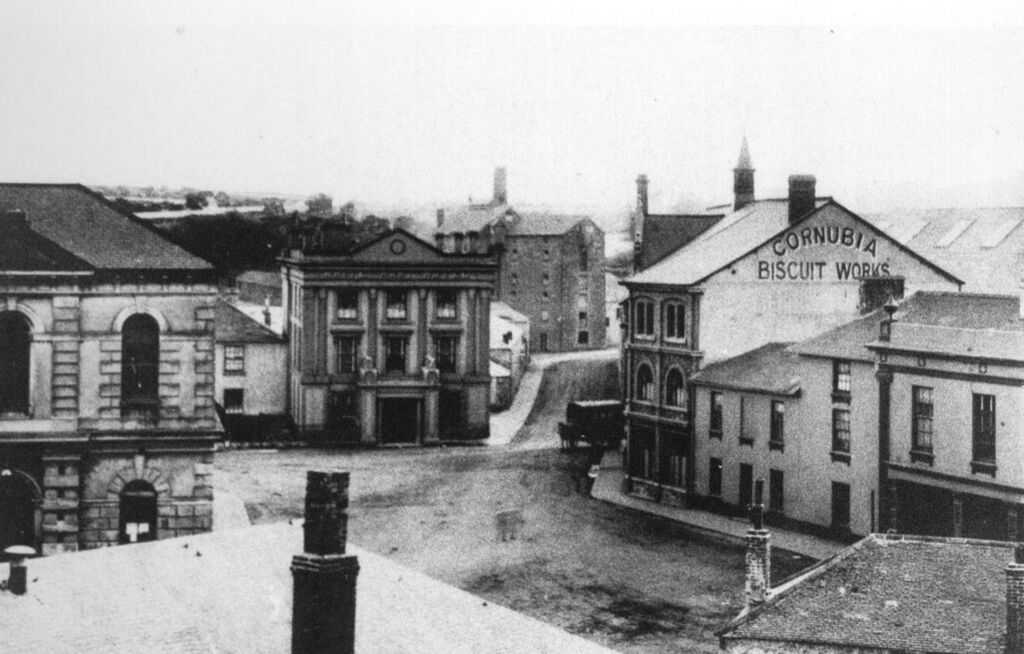
Walk through Hayle today and it is easy to forget just how busy the town once was. Before supermarkets, online shopping and out-of-town retail parks changed the way we shopped, Hayle had a thriving network of family shops, workshops, cafés and businesses serving every need of the community.
Many of these businesses have disappeared, but their stories remain an important part of Hayle’s social history. The Hayle Heritage Centre’s collections include photographs, documents and memories relating to local shopping, working life and industry, helping preserve these everyday stories.
The Traditional High Street
In the nineteenth and early twentieth centuries, Hayle’s shops grew alongside the two great industrial communities of Foundry and Copperhouse. The workers’ housing developments around these areas included small shops serving local families, and many buildings that once had domestic uses were later adapted into commercial premises.
A typical Hayle shopping trip might involve:
- The local butcher for meat.
- The baker for bread and saffron buns.
- The fishmonger bringing in the day’s catch.
- The grocer weighing out tea, sugar and flour.
- The draper supplying clothes and household fabrics.
- The ironmonger providing tools and hardware.
There was little need to leave town—almost everything could be bought locally.
Shops Around Foundry and Copperhouse
The rivalry between Foundry and Copperhouse was not just about industry. Each area developed its own identity, with its own businesses, meeting places and loyal customers.
In Foundry Square, the shadow of Harvey’s Foundry dominated everyday life. The area was not only a place of engineering but also a centre of shops and services for workers and their families. The historic buildings around the square remain a reminder of when Hayle was a major industrial town.
Copperhouse developed its own commercial heart along Fore Street, where many traditional shopfronts still reveal the town’s Victorian past. Some surviving buildings retain clues of their former lives as family businesses.
Famous Names Remembered by Local People
Many older residents still remember businesses that have become part of Hayle folklore:
The Old Bakeries
Before modern bread production, local bakeries were central to community life. The smell of fresh bread drifting through the streets was once a daily feature of Hayle.
Family Grocers
Small grocers were everywhere, with shopkeepers knowing their customers by name and often allowing trusted families to buy goods “on the slate” until payday.
Ironmongers and Hardware Shops
In an engineering town like Hayle, hardware shops were essential. From tools for the workshops to household items, they supplied generations of local people.
Drapers and Outfitters
Before chain stores, clothing was bought from local businesses where staff knew their customers and often helped families choose school clothes, workwear and special outfits.
The Lost Industries Behind the Shops
Hayle’s businesses were also connected to its bigger industries:
- Harvey’s Foundry employed generations of skilled workers.
- The harbour supported merchants, ship repair and fishing.
- J & F Pool became a major local engineering employer.
- The Dynamite Works provided work for many local families.
When these industries declined, the knock-on effect was felt throughout the town. Fewer workers meant fewer customers, and many traditional businesses struggled to survive.
Shops Become Memories
Some old shops have disappeared completely, while others have found new lives. Former commercial buildings have been restored and reused, keeping parts of Hayle’s character alive. The Old Foundry Chapel, for example, has been transformed from a former chapel and schoolhouse into a collection of small independent shops and businesses.
The story of lost shops is not just about buildings—it is about people:
- The shopkeepers who opened early every morning.
- The apprentices learning a trade.
- The customers who became friends.
- The conversations over the counter.
- The community connections that made Hayle special.
Did you know?
Many old Hayle buildings still carry hidden clues to their past. A wider doorway may reveal a former shop entrance, a blocked-up window may have once displayed goods, and a building that looks like a house may once have been a busy family business.